
Insider Tips and Advice
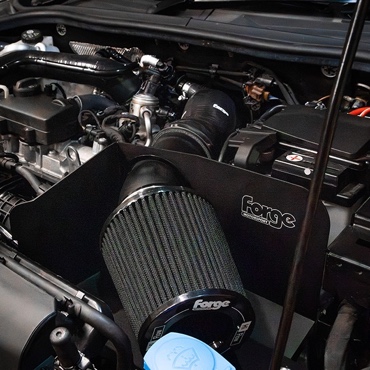
An open intake heat shield needs to be assessed as part of the complete air path. Check where the filter sits, how air reaches it, and how the pipework and mounting points match your car. Filter size or an impressive cover does not establish the result you will get. The exact part number, its application notes and the kit’s fitting instructions give you a firmer basis for choosing a suitable version, especially when the car already has other modifications.
Comparing intake kits for a road car or weekend project? Using a Forge kit as a practical example, this guide explains what its photographs can show and which fitting details you should establish before ordering.
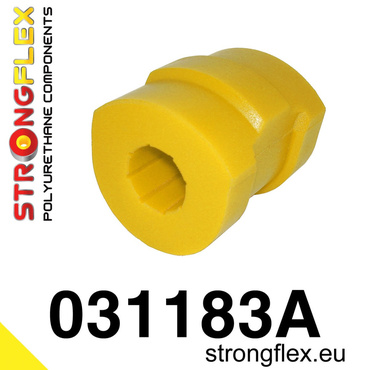
When ordering Strongflex anti-roll bar bushes, finding your car in the catalogue is only the start. You also need to confirm the mounting position, the bar diameter at that location and any notes for the exact vehicle variant. Two options with the same diameter may have different profiles, while the pack quantity is a separate check. Matching these details before you order gives you a clearer basis for selecting the correct part.
Use this guide when a product page offers several sizes or versions and you need to narrow them down. We'll work through the checks in order, use two manufacturer examples and explain which details to have ready if you need help.
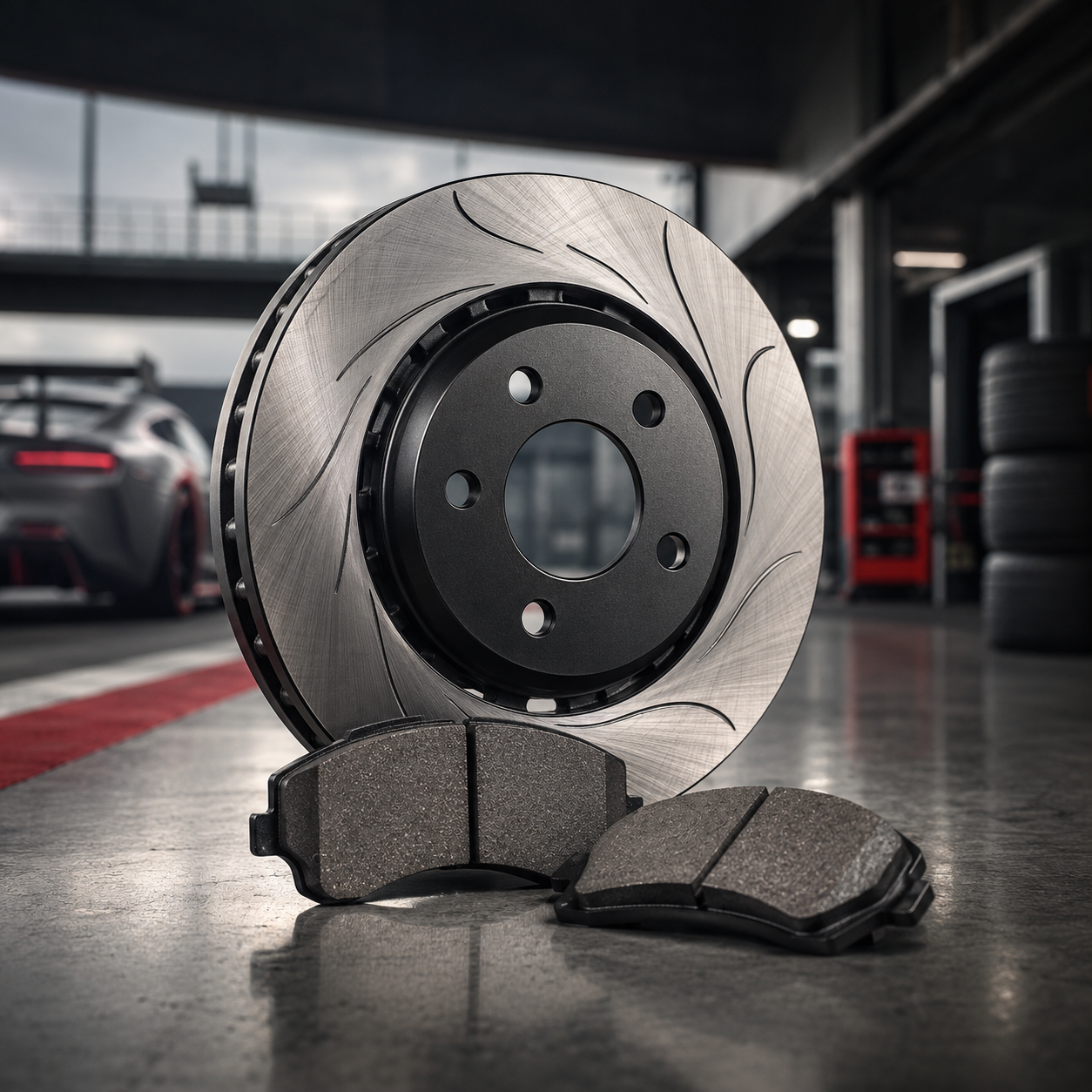
Effective brake pad selection is not about buying the most aggressive compound available. Vehicle mass, tyre grip, disc capacity, cooling and real driving conditions determine which pad will remain safe and predictable. A road pad may overheat during repeated track use, while a race pad can be awkward when cold. The target is consistent braking, clear modulation and a wear pattern that can be monitored.
This guide is written for road cars, fast-road builds and track-day vehicles. It explains the warning signs of a poor match, a logical diagnostic process, correct bedding principles and the checks worth completing before you place an order.
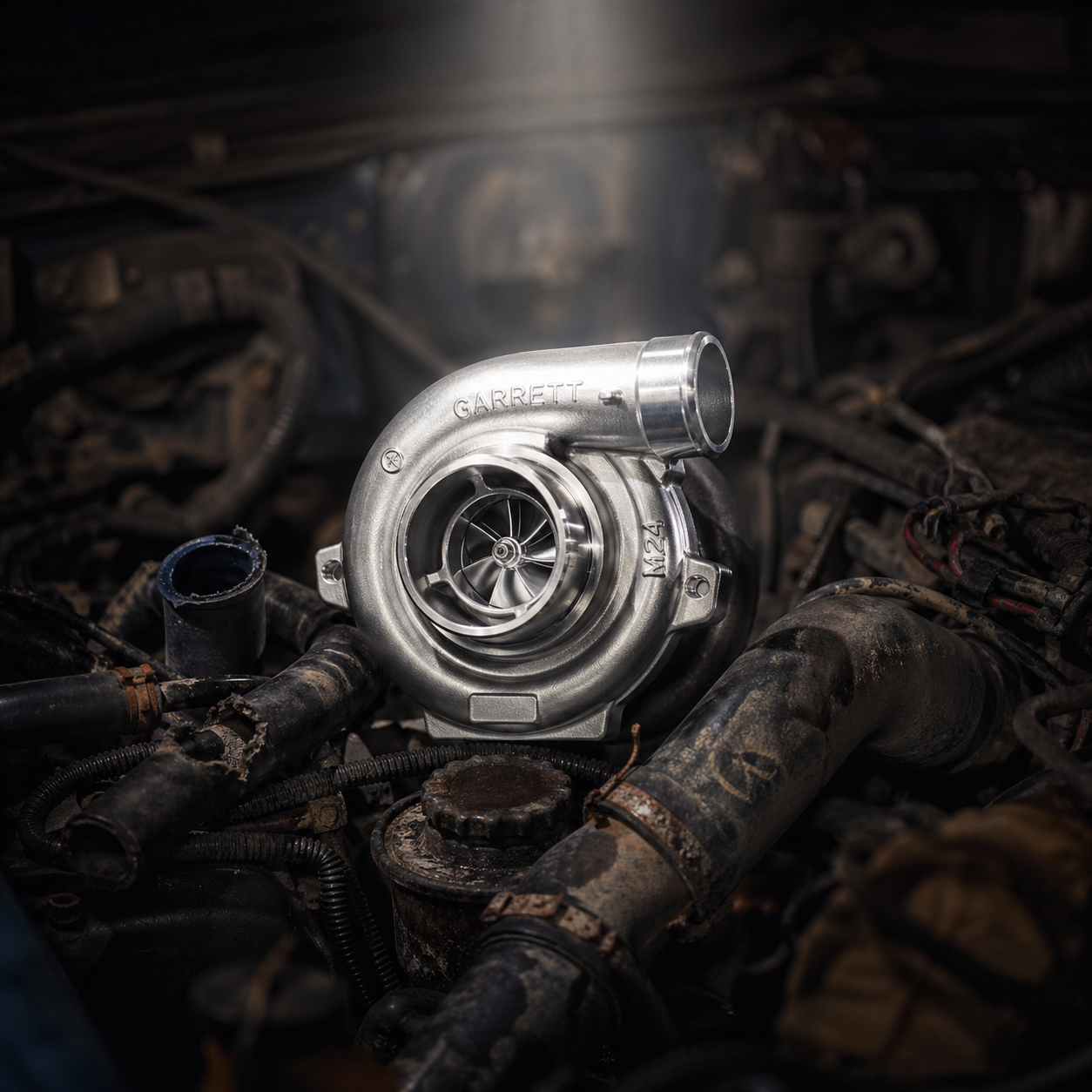
When a turbo car does not behave the way it should, many people blame the turbo immediately. In reality, the problem is often not the main unit itself, but the way the entire system was built around it. Boost control, vacuum routing, charge piping, intercooling, fueling, oil supply and calibration all shape what you feel from the driver’s seat. If that system is poorly integrated, even a good turbo can feel weak, nervous or unpredictable.
In this article, we show the eight key signs that point to a bad overall setup rather than a bad turbo.
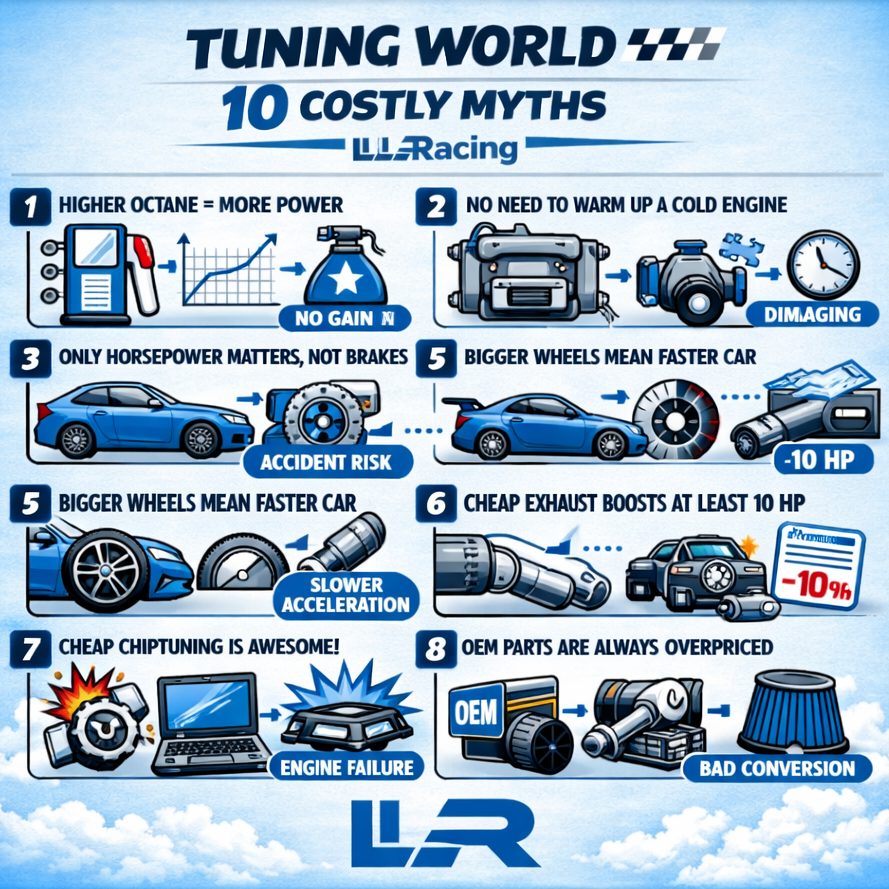
The tuning world is full of “accepted truths” that sound logical at first but end up costing time, money and driving enjoyment. In this article, we break down the 10 most expensive myths in tuning and show what to do instead.
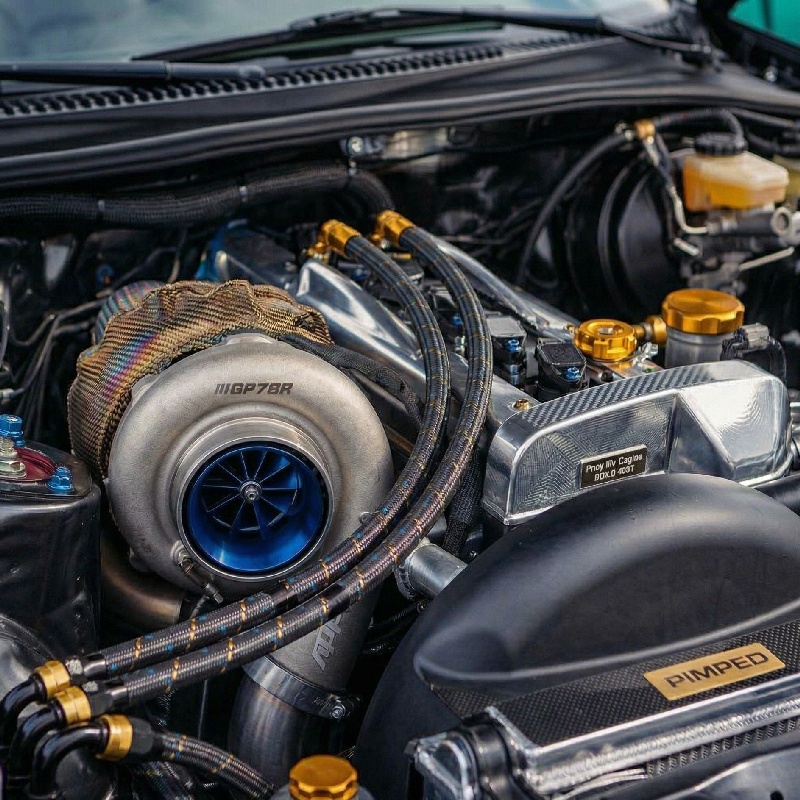
Most tuning projects do not go wrong because of a lack of parts, budget or ambition. They go wrong because the wrong decisions are made early. In this article, we break down the five mistakes that most often turn a tuned street car into a frustrating, unreliable or disappointing build.
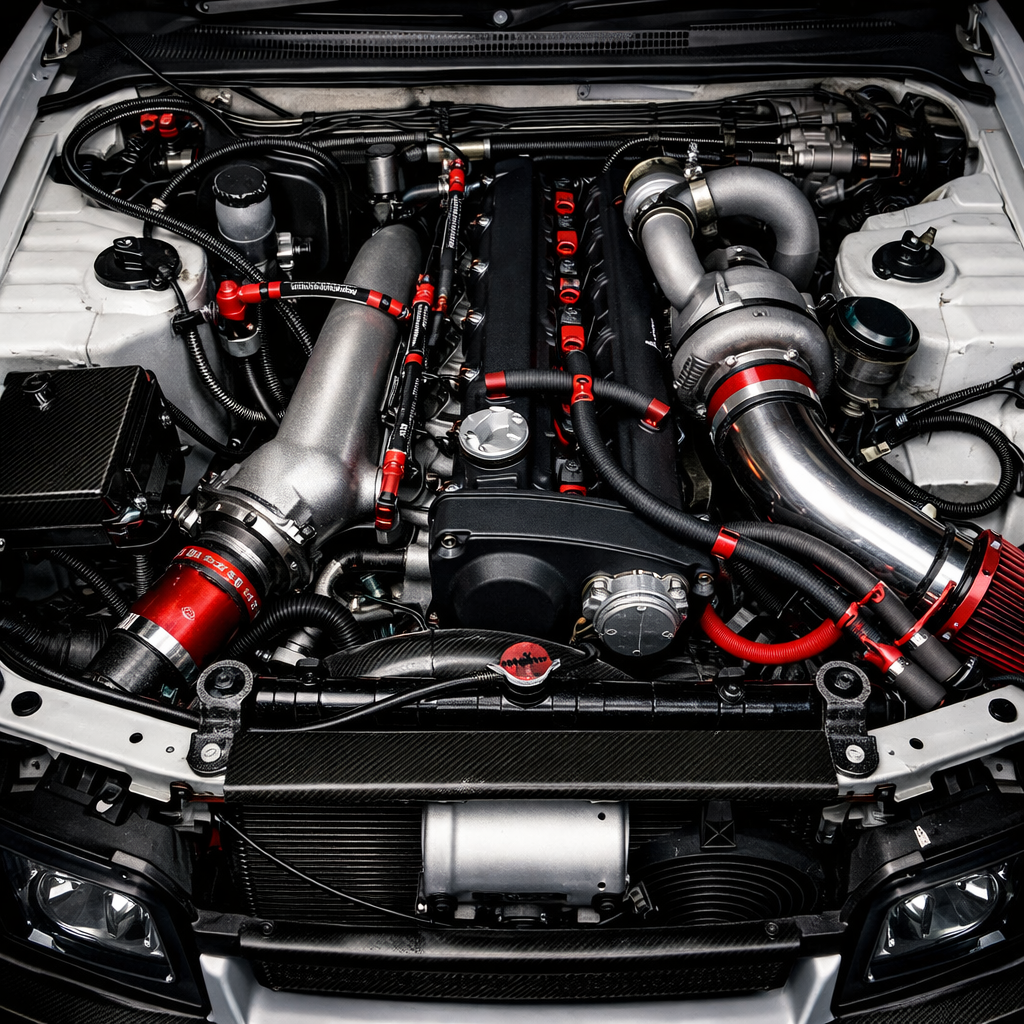
A trackday exposes weak points fast. Components that feel perfectly fine on the road can reach their limit after only a few hard laps.
In this article, we break down the seven parts and system areas that most street cars struggle with first on track. You’ll get warning signs, common mistakes and practical prevention tips you can actually use before your next session.
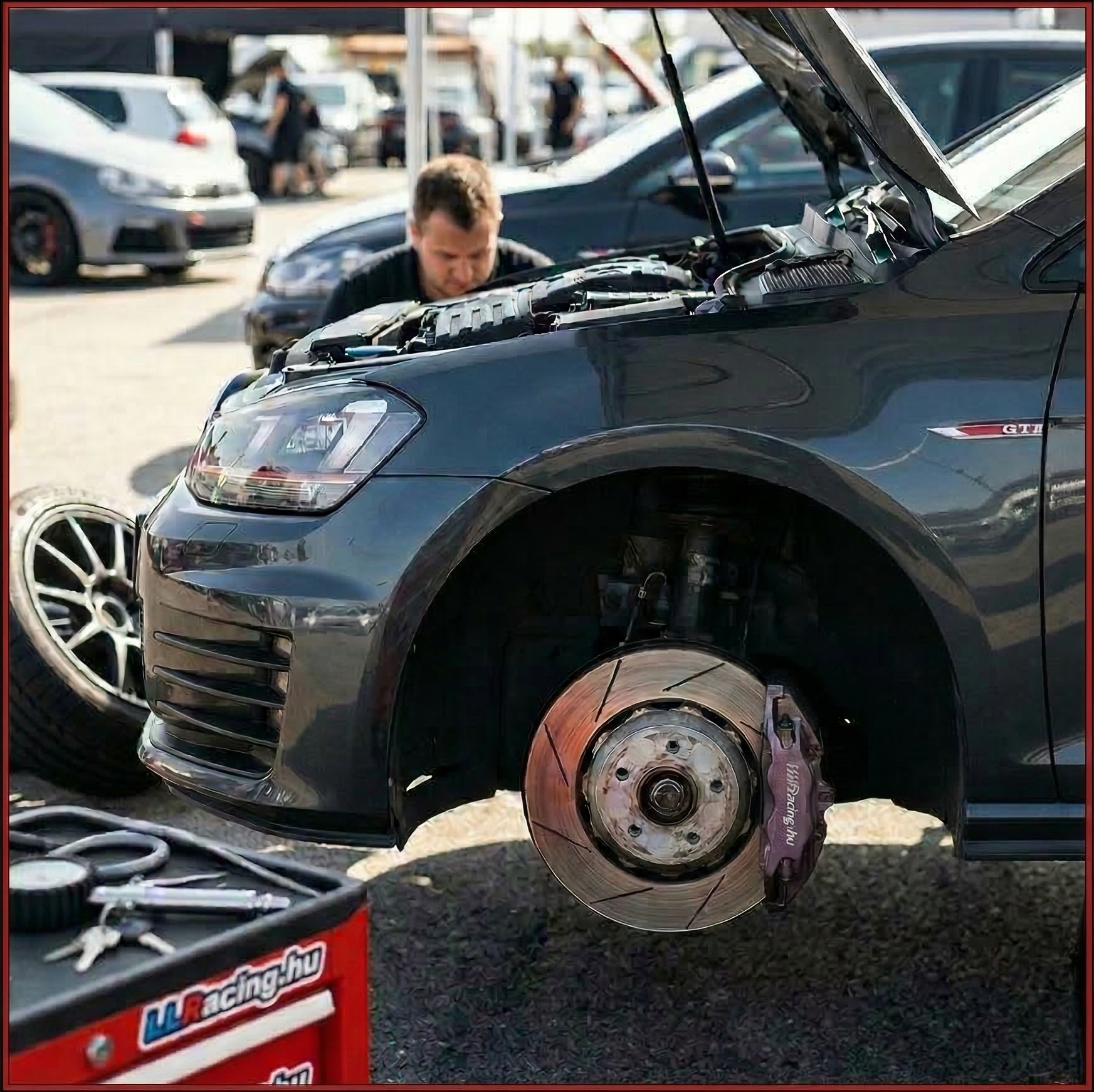
Most people start their track build by chasing horsepower. The problem is that a street car usually fails on track long before it runs out of power.
Brakes, oil temperature, coolant control, tire management and fueling all reach their limit first. This article explains what survivability really means, where to spend first, and how to build a street-driven car that stays fast lap after lap.

Trackday cooling is what keeps a street car alive when the load stays high lap after lap. On circuit, oil temperature rises fast, coolant heat rejection can fall behind, and turbo cars often lose power to intercooler heat soak until the ECU pulls timing or boost. If you learn where the heat builds first—and what to measure—you can stop overheating before it ruins your session.
This guide is written for street-driven cars that see trackdays, lapping, or autocross. You’ll get a practical diagnostic flow, upgrade priorities for oil/coolant/charge-air, common myths to avoid, and a pre-track checklist that actually prevents power fade.

If your car leans out on boost, stumbles after a hot soak, or shows pressure swings in logs, the injector isn’t always to blame. The root cause is often returnless fuel system design and how the regulator and fuel rail behave under real load. This guide breaks down return vs returnless layouts, why pressure control matters, and how to spot the signs before you hurt an engine.
This is for street builds, track cars, drift setups, and anyone upgrading pumps, rails, or lines who wants repeatable fueling—not “it was fine yesterday.” We’ll keep it practical: what works, what fails, and a checklist you can follow with data and a pressure reading.

Majorette model cars can be brilliant—if you know what to inspect: wheel alignment, paint quality, fitment, and the small defects that ruin rolling and looks. This guide gives you fast, practical checks for choosing a great piece for play or display, plus simple habits that keep your mini cars looking sharp for longer.
If you’re into real cars, you already get it: tiny details matter. This article is for parents, collectors, and anyone who wants a solid mini car without guesswork.

Race car or track build? One thing is certain: safety and reliability are non-negotiable. The ASMoto BatteryIsolator is a modern electronic battery isolator that replaces failure-prone cable-operated and relay systems. In our article, we show you its functionality, advantages, and why it’s the future of motorsport.
