Net price: 143 €
Net price: 190 €
Net price: 123 €
Net price: 131 €
Net price: 129 €
Net price: 119 €
Net price: 135 €
Net price: 155 €
Net price: 174 €
Net price: 151 €
Net price: 135 €
Net price: 155 €
Net price: 168 €
Net price: 299 €
Most people start their track build by chasing horsepower. The problem is that a street car usually fails on track long before it runs out of power.
Brakes, oil temperature, coolant control, tire management and fueling all reach their limit first. This article explains what survivability really means, where to spend first, and how to build a street-driven car that stays fast lap after lap.
There comes a moment when tuning fantasy meets reality. It usually does not happen on a dyno sheet, in a parts catalogue, or in a late-night garage conversation. It happens on track.
The same street car that feels strong, sharp and “more than enough” on the road can start showing weakness after only a few hard laps. Not because it is a bad car, but because track driving changes everything. The real question is no longer how much power the engine makes. The real question is whether the car can survive that load repeatedly, predictably and safely.
On track, the first thing that matters is not peak horsepower. It is how long the car can stay cool, consistent and in one piece.
Extra power is easy to feel on the road. The car accelerates harder, sounds more serious and gives instant satisfaction. On track, however, lap time and confidence are often decided by completely different factors:
A car can make impressive numbers on paper and still become slower every lap if the brakes fade, oil temperature climbs, or the ECU starts protecting the engine from heat. That is why survivability comes first.
Survivability does not mean the car somehow gets through a session. It means the car handles stress reliably and repeatedly. A proper street-to-track setup is not built around one glamorous part. It is built around a balanced system.
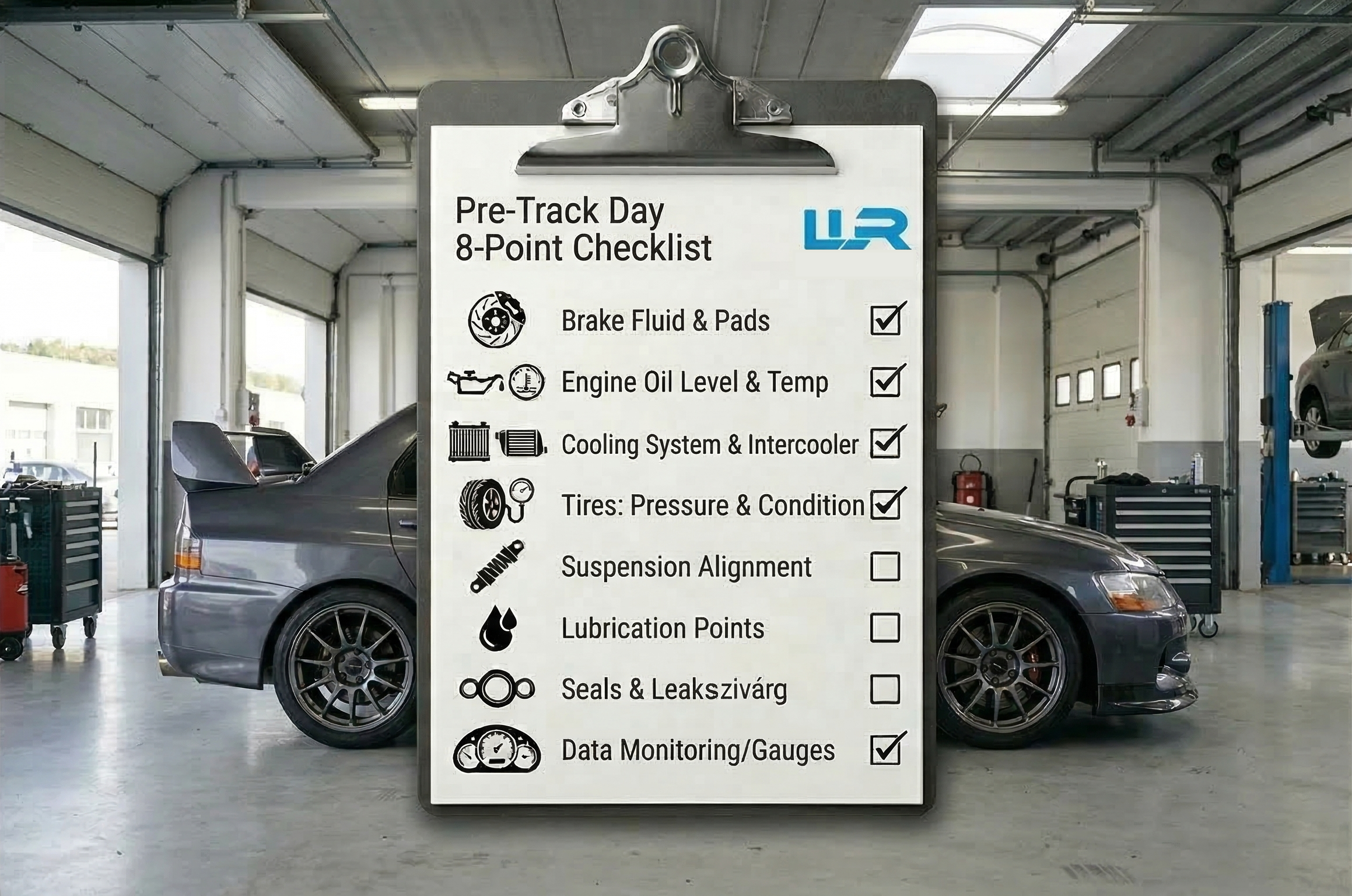
In practice, that means:
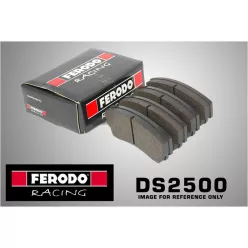
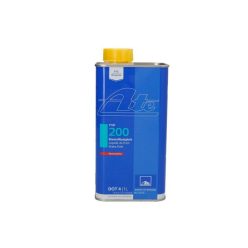
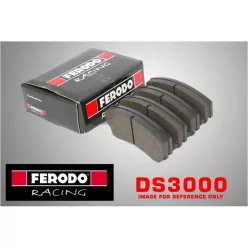
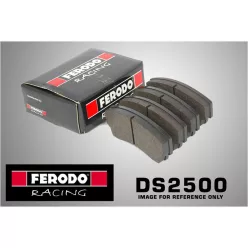
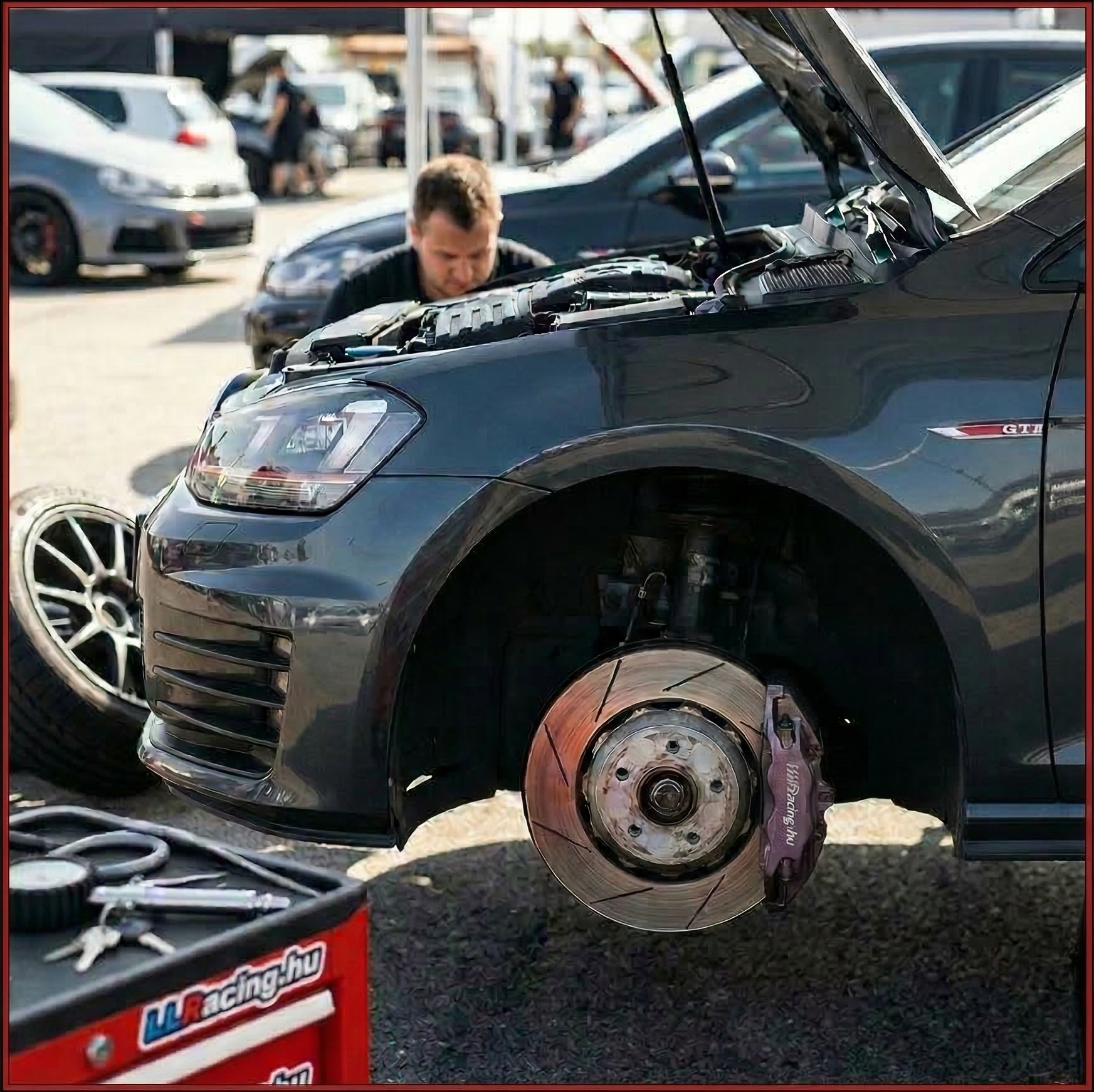
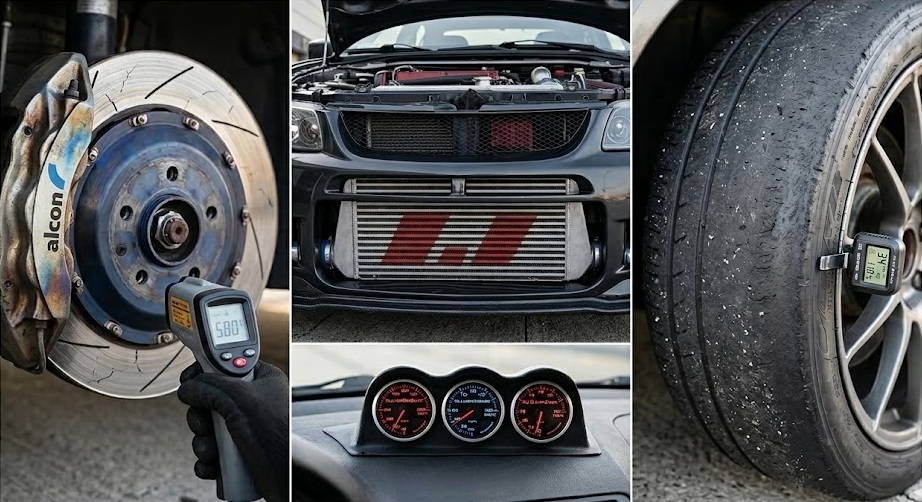
This is one of the first weak points on most street cars. Fluid and pads that feel perfectly fine on the road can run out of capacity quickly on track. Once the pedal goes soft, confidence disappears immediately.
Engine oil does far more than lubricate. It also carries heat away from critical components. When it gets too hot, your safety margin shrinks, and oil pressure can begin to drop when the engine is fully loaded and fully hot.
A street car may never overheat on the road and still struggle badly on track. Sustained load reveals whether the cooling system really has reserve capacity or if it was already close to its limit.
Turbocharged cars often lose performance here first. Once the intercooler heat-soaks, air density drops, knock risk rises and the ECU starts pulling timing or boost to protect the engine.
Grip is only part of the story. Tire temperature and pressure control matter just as much. A road tire can overheat quickly, and once it does, the car can change character within the same session.
More load means more air, but it also means more fuel demand. If the pump, regulator strategy, rail design or line capacity is not matched to the setup, the engine can become inconsistent or even unsafe under load.
The order matters more than most people think. The best upgrade is not always the flashiest part. It is the part that makes the car more stable and repeatable.
This should be close to the top of the list every time. Good braking is not an optional upgrade. It is the baseline for speed and safety.
Choosing the right oil matters, but so does understanding how the car behaves when fully hot. On track, oil temperature and oil pressure information are incredibly valuable.
Radiator efficiency, airflow, oil cooling, heat shielding and intercooler performance all work together. The real question is never whether the car has cooling parts. It is whether the whole system can handle repeated load.
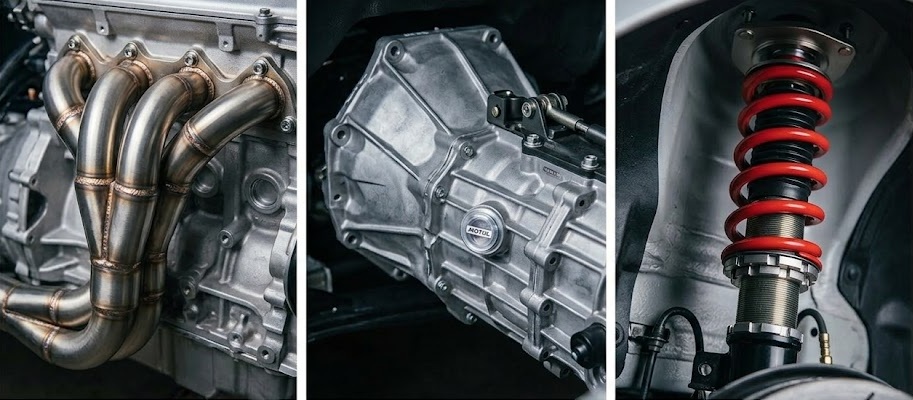
Healthy suspension components, correct alignment, the right tire choice and smart pressure management can transform the car more than another small power increase ever will.
This matters even more if the car already has software, a bigger turbo, more boost or injector upgrades. Stable fuel delivery is not a bonus feature. It is a requirement.
One of the biggest mistakes is building by feel only. Temperature, pressure and fueling information tell you what the car is actually doing. The track exposes what the road lets you ignore.
This is where many projects go wrong. Owners install bigger injectors, a larger turbo, a more aggressive tune or a stronger clutch, while the brakes, cooling, hoses and overall reliability remain at a street-only level.
The result is often a car that is technically more powerful, but not actually faster. Or only faster for a very short time. Real track performance does not come from one part. It comes from a system that works together.
You do not need a full race car to enjoy trackdays properly. A well-prepared street-driven track car is a very realistic goal. In most cases, that means:
This kind of build is less dramatic than a giant turbo or a louder exhaust, but on track it is exactly what separates a properly engineered car from a catalogue-based parts pile.

If you take a street car to the track, the most important lesson is this: survivability comes before horsepower. First, make sure the car can handle the load. Once that is in place, every later performance upgrade becomes more meaningful. Without it, extra power only gets you to the next failure faster.
A properly built trackday street car is not always the loudest, the most powerful or the most expensive. But it is stable, consistent, reliable and genuinely faster where it matters.
If you want to go deeper into heat management, read these related articles too: