
Expert customer service available Monday to Friday, 8:00 AM – 4:00 PM via e-mail at INFO@LLRACING.EU .

The 10 Most Expensive Myths in Tuning – and What to Do Instead

The 10 Most Expensive Myths in Tuning – and What to Do Instead

The tuning world is full of “accepted truths” that sound logical at first but end up costing time, money and driving enjoyment. In this article, we break down the 10 most expensive myths in tuning and show what to do instead.


10/04/2026 08:03 LLRacing

The tuning world has its own kind of mythology. Everyone seems to know someone who “has the answer”, every workshop has a few eternal rules, and the internet is full of confident claims. The problem is that many of those claims are only half true. And some of them are simply expensive myths.

Turbocharged performance engine in a tuned car build

They are expensive because they do not just cost money. They cost time, momentum, driving enjoyment and often confidence in the whole project. The most dangerous part is that most of these myths sound logical at first, which makes them easy to believe.

Here are the 10 most expensive myths in tuning—and what to do instead.

1. “A bigger turbo automatically means a better car”

This is one of the most common misunderstandings in performance building. A larger turbo may offer more potential on paper, but that does not automatically make the car better. A turbo that is too large can easily create slower spool, a weaker low-end character and worse drivability on the road.

What to do instead:
Choose a turbo that matches the purpose of the car. The key is not the catalogue peak figure, but where and how the engine delivers usable performance.

2. “The stiffer the suspension, the faster the car”

Many people instantly associate stiffness with performance. In reality, a badly chosen or badly tuned stiff suspension setup can make the car slower and more nervous, especially on imperfect roads or in changing grip conditions.

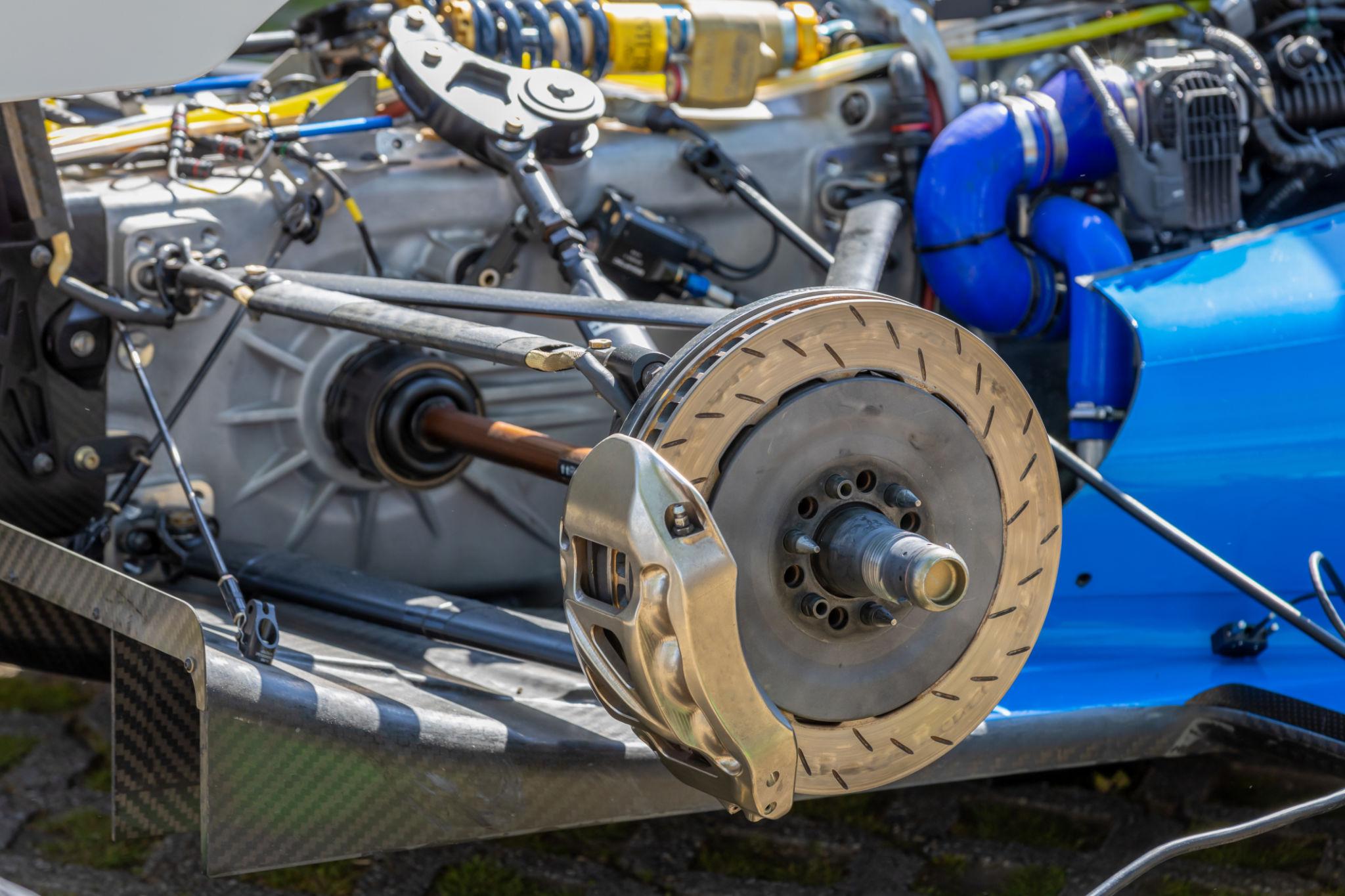
Close-up of performance brake and suspension components on a race car

What to do instead:
You do not need “stiff suspension”. You need suspension that works. Spring rate, damping, alignment and tire choice must work together.

3. “If the engine is strong, the rest will sort itself out”

It will not. In fact, the problems usually show up sooner. Extra power increases the load on the brakes, cooling system, oil, fuel delivery and drivetrain. If those areas are not ready, more power simply accelerates the appearance of weakness.

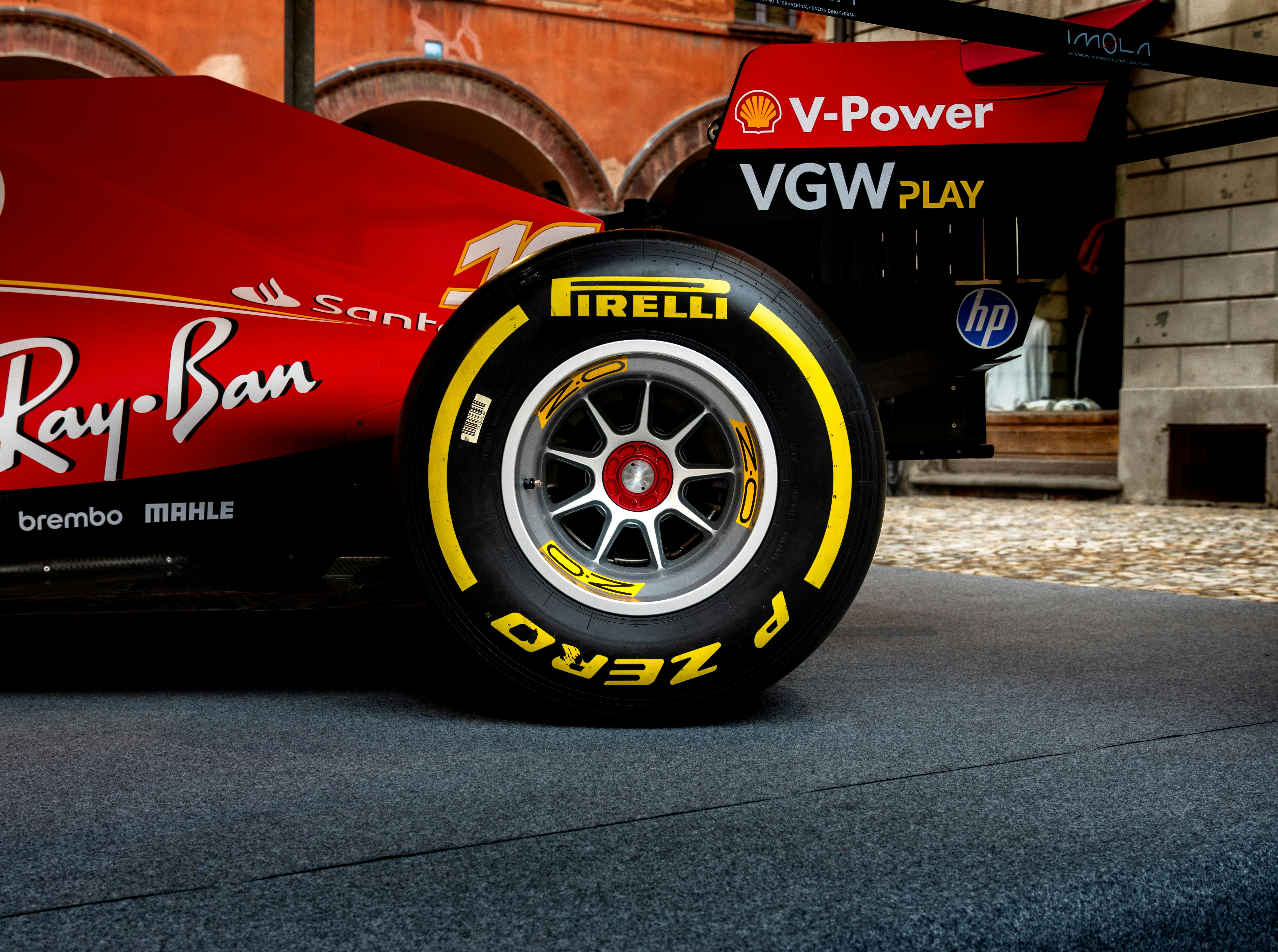
Close-up of a performance tire on a race car

What to do instead:
Treat power gains as part of a system. The rest of the car has to grow with the engine.

4. “Cheap hoses and fittings do the same job”

This myth usually only reveals itself once something goes wrong. A poor hose, inaccurate fitting or questionable connection is not just a minor annoyance. It can destabilise entire oil, fuel or boost systems.

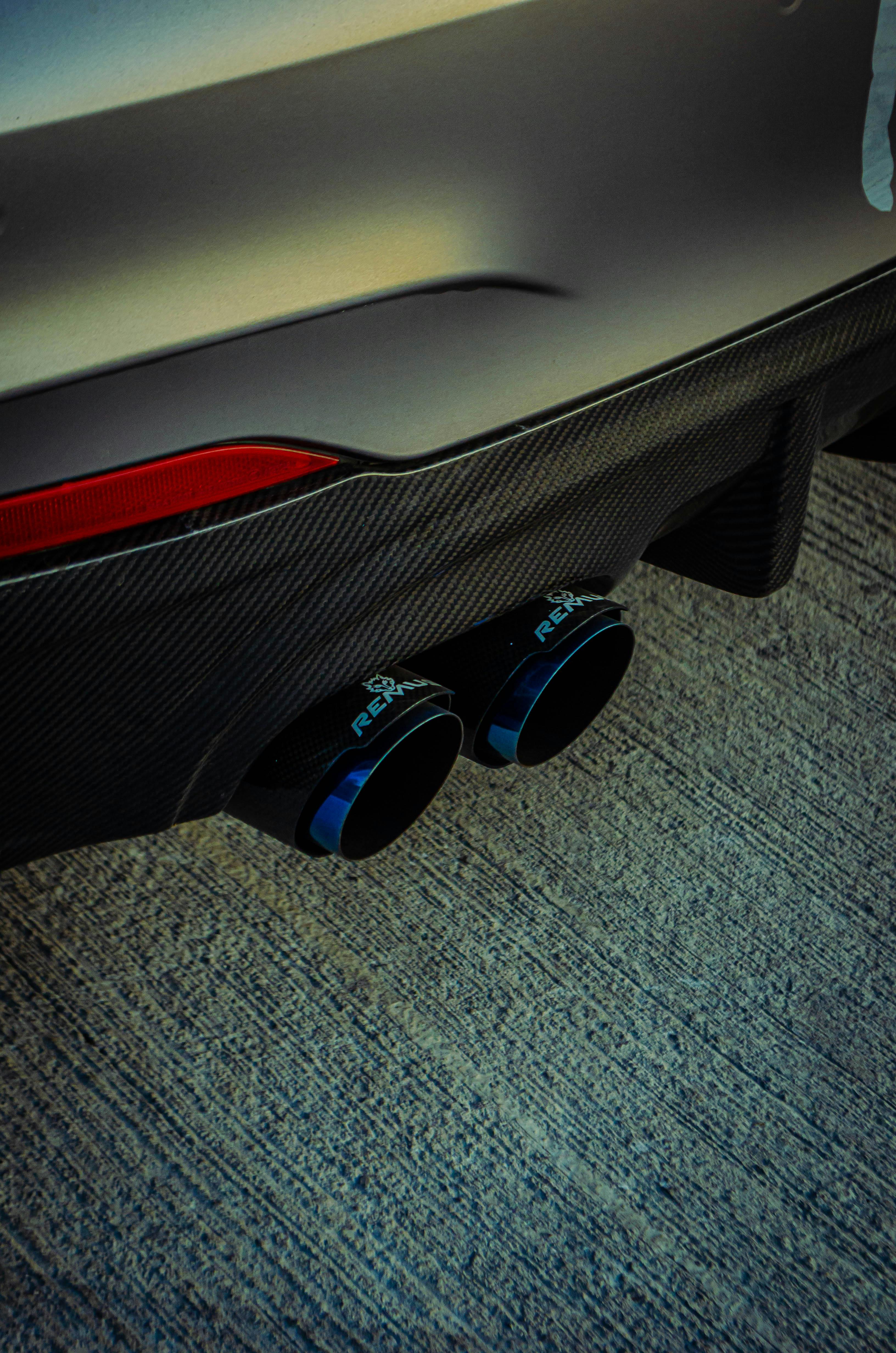
Dual performance exhaust tips on a tuned street car

What to do instead:
Use high-quality hoses, fittings and connections in critical systems. They may not be glamorous parts, but they form the foundation of reliability.

5. “The factory fuel system will probably still be enough”

Many cars reach the limit of the factory fuel system earlier than people expect. This becomes especially important once the car has software changes, more boost, a larger turbo or any serious performance increase.

Haltech Elite 2500 standalone ECU for engine management

What to do instead:
Do not decide fuel-system capacity by guesswork. Evaluate what the system can actually support under real load, then build fuel delivery around the setup.

6. “You can do serious track use on normal road tires”

You can take road tires to the track, but that does not mean they will behave the way you hope. Many road tires overheat quickly, pressure rises fast, and after a few laps they no longer give the same balance they did at the start of the session.

Race car on track representing balanced performance tuning

What to do instead:
Treat tires realistically. It is not just about tread pattern. Operating range, pressure management and real intended use matter just as much.

7. “If it is louder, it must be making more power”

Sound creates emotion, but it does not measure performance. An excessively loud exhaust system may feel dramatic and exciting, but that does not automatically mean the flow is better, the power curve is more usable or the car is more enjoyable.

What to do instead:
Focus on how the system works, not how loudly it announces itself. A good exhaust suits the whole setup, not just the ego.

8. “Forged parts solve everything on their own”

Forged pistons, rods and other internal components can absolutely be valuable upgrades. But they are not magic. If heat management, lubrication, calibration or fuel delivery are poor, forged parts will not rescue a badly built system.

What to do instead:
Treat forged parts as one element in a properly engineered package, not as a miracle cure.

9. “Tuning starts with the engine”

Very often, it should not. On a street car or a trackday car, brakes, suspension, tires, thermal management and fuel delivery can matter just as much. If those areas are not sorted, engine upgrades only create a more obvious imbalance.

What to do instead:
Decide the order of upgrades based on the goal. In many cases, the smartest first modification does not happen on the engine at all.

10. “The tune will fix everything”

This is one of the most dangerous ideas in the whole scene. Software can improve, optimise and unlock a lot—but it cannot erase bad hardware decisions. You cannot tune your way out of a fundamentally flawed system.

What to do instead:
Good calibration starts with good hardware and a properly built package. The tune is not magic. It is refinement.

Why are these myths so dangerous?

Because they simplify reality in a very seductive way. It feels good to believe that one bigger turbo, one stiffer suspension setup or one louder exhaust is the secret to better performance. Real performance is always more complex than that.

The cars that truly work well are rarely extreme in only one area. They work because the entire package is balanced. That is harder to build, but it is always more effective in the long run.

Conclusion

The most expensive myths in tuning are dangerous not because they are pure nonsense, but because they are half true. And half-true ideas often do more damage than obvious mistakes.

If you want to build a truly good car, do not build from legends. Build from purpose, systems and real understanding.

That is the point where tuning stops being random parts accumulation and becomes conscious engineering.

Related reading:
Most Tuned Street Cars Are Not Killed by Power – They’re Killed by These 5 Bad Decisions