Expert customer service available Monday to Friday, 8:00 AM – 4:00 PM via e-mail at INFO@LLRACING.EU .

Trackday cooling: oil, coolant, intercooler—where most street cars fail first

Trackday cooling: oil, coolant, intercooler—where most street cars fail first

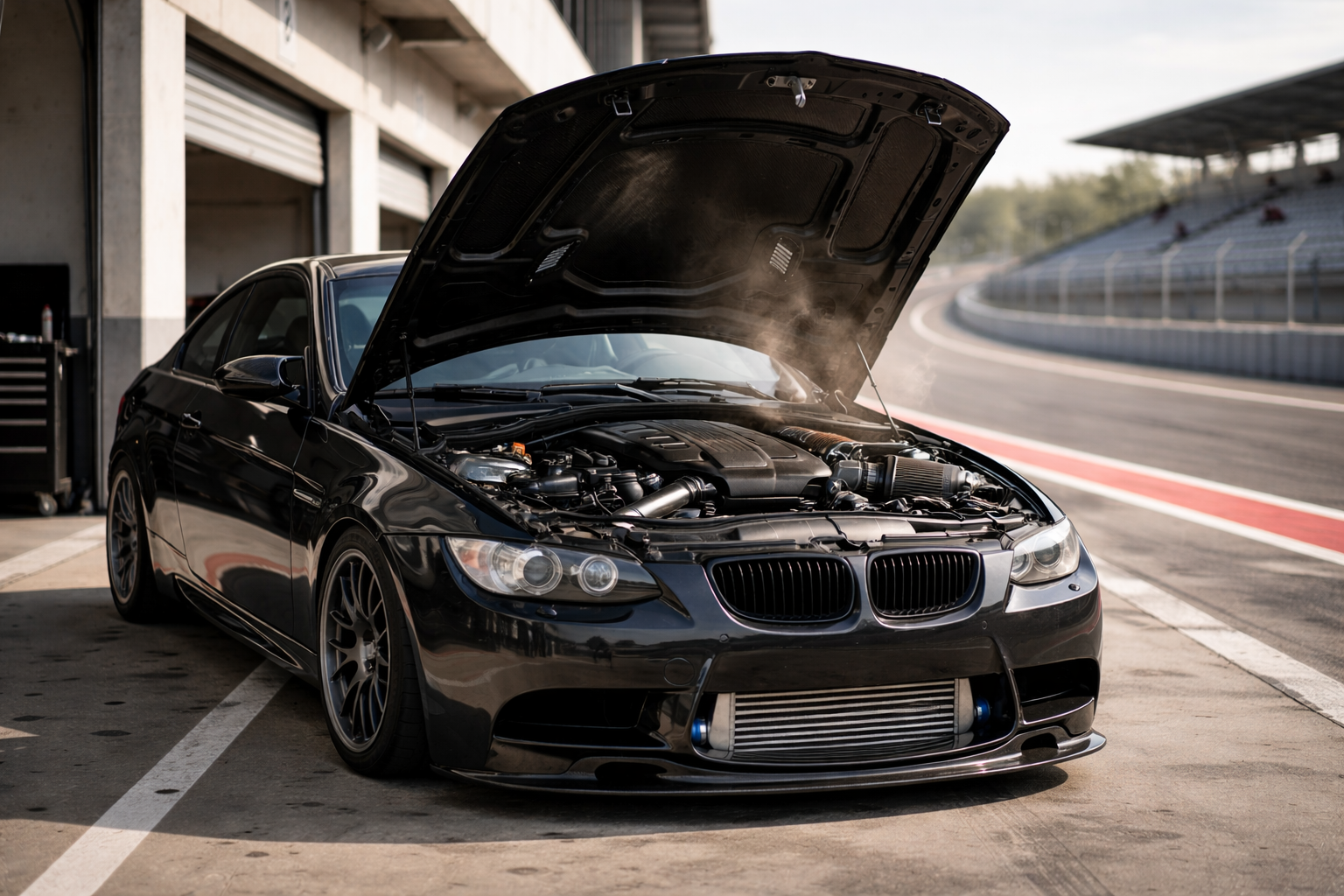
Trackday cooling is what keeps a street car alive when the load stays high lap after lap. On circuit, oil temperature rises fast, coolant heat rejection can fall behind, and turbo cars often lose power to intercooler heat soak until the ECU pulls timing or boost. If you learn where the heat builds first—and what to measure—you can stop overheating before it ruins your session.

This guide is written for street-driven cars that see trackdays, lapping, or autocross. You’ll get a practical diagnostic flow, upgrade priorities for oil/coolant/charge-air, common myths to avoid, and a pre-track checklist that actually prevents power fade.

03/03/2026 10:03 LLRacing

Track driving is brutally honest. A car that feels “perfectly fine” on the street can overheat after a few hard laps, not because the factory system is bad, but because the operating conditions change completely. Trackday cooling is about building thermal headroom so temps stabilize instead of creeping upward every session.

What is trackday cooling?

Trackday cooling isn’t one part. It’s a thermal management plan that covers:

  • Oil control (temperature and pressure stability)
  • Coolant-side heat rejection (radiator, airflow, pressure integrity)
  • Charge air cooling for turbo/supercharged cars (intercooler efficiency, heat soak resistance)
  • Engine bay heat management (reducing radiant heat damage and re-heating of intake components)

You’re “sorted” when temperatures plateau during a session, power stays consistent, and you don’t need long pit cool-downs just to survive.

Why do street cars overheat on track?

On the road, high load is brief. On track, it’s sustained. That’s why most “fail points” show up in three places first: oil, coolant, and (on boosted cars) the intercooler.

  • Sustained high load: long periods at high rpm and high throttle mean much higher heat generation.
  • Airflow isn’t constant: heavy braking drops vehicle speed (and airflow) while the engine remains hot.
  • Heat soak: the bay warms up, components store heat, and everything starts the next lap hotter.
  • ECU protection: high intake temps or knock risk often triggers timing pull, richer fueling, or reduced boost.

Typical symptoms: power fade, coolant temperature creeping late-session, hot-idle spikes in the pits, and hot oil pressure trending down.

1) Oil: the most common hidden bottleneck

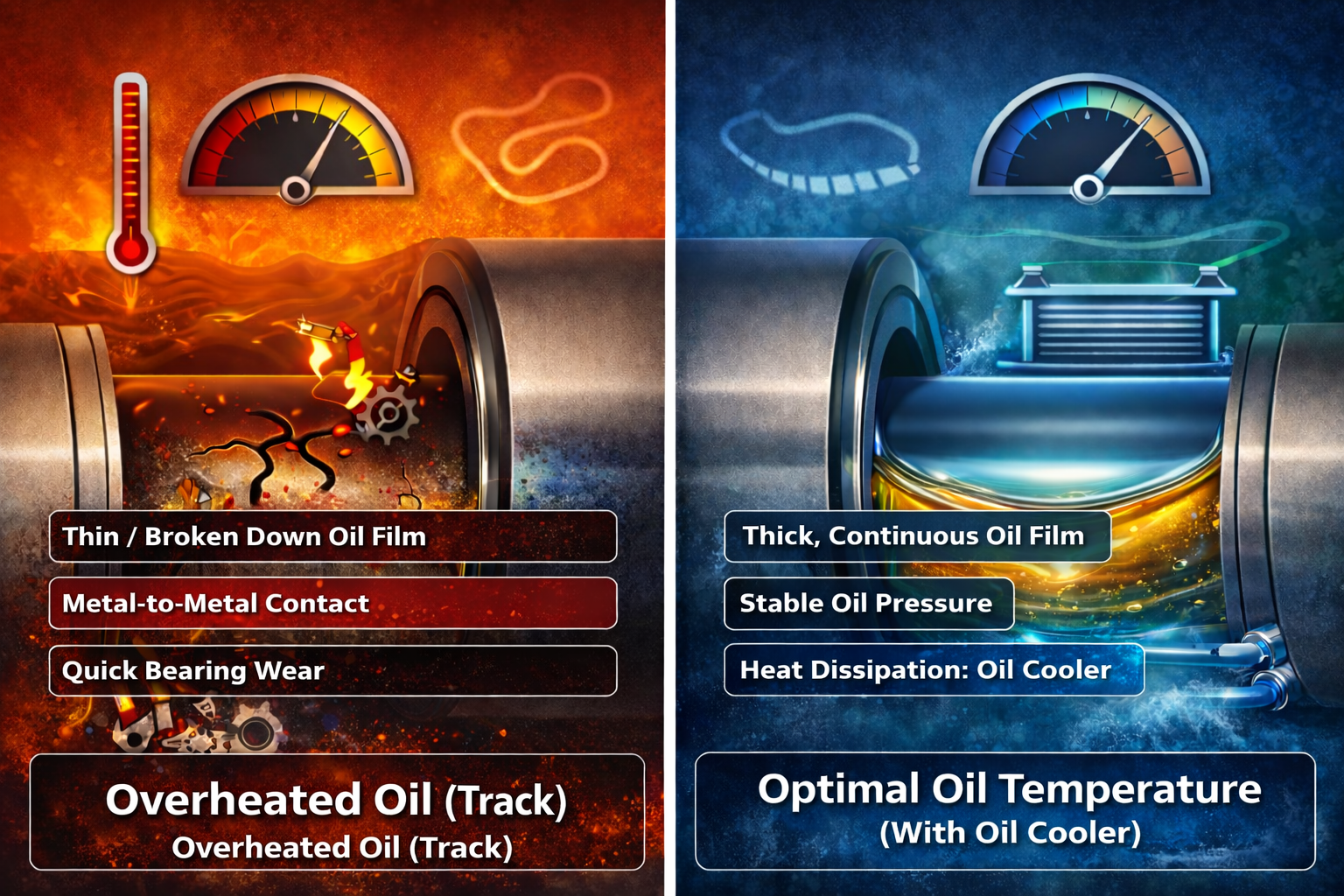
Oil is more than lubrication—it’s also an internal cooling medium for pistons, bearings, valvetrain, and turbocharger hardware. If oil temperature gets too high, viscosity drops, the oil film thins, and hot oil pressure can fall right when you need protection most.

Signs oil is the limiting factor

  • Hot oil pressure trends down late in the session, especially at higher rpm.
  • Coolant looks “okay,” yet the engine feels softer and less happy when fully heat-soaked.
  • Each session starts hotter and the problem appears earlier.

Fix: a smart oil strategy

  • Use a track-capable oil: match viscosity and spec to your engine and build. Stability under heat matters more than marketing.
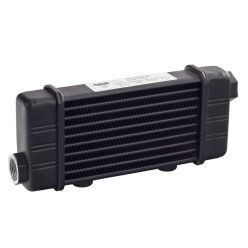
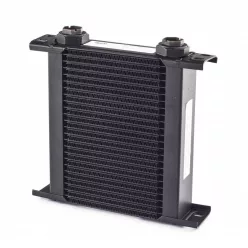
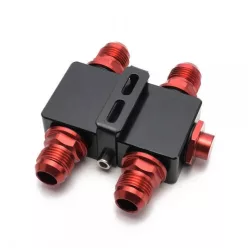
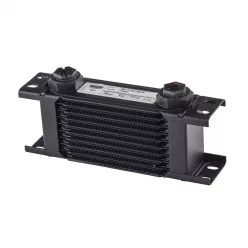
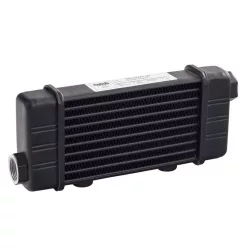
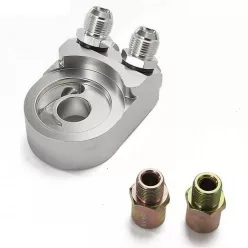
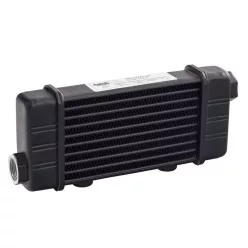
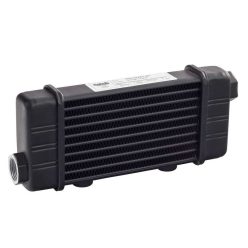
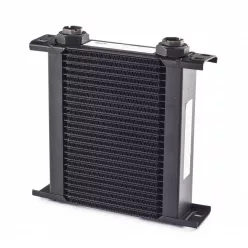
  • Thermostatic oil cooler kit: ideal for street+track cars—avoids over-cooling on the road while controlling peak track temps.
  • Measure oil temp and pressure: temperature alone is not enough. A session-to-session pressure trend is the early warning.

2) Coolant: when heat rejection falls behind

Factory cooling packages are a compromise between packaging, cost, noise, and everyday traffic. Track sessions demand sustained heat rejection. When the system runs out of capacity, coolant temperature creeps up lap after lap rather than stabilizing.

Signs coolant-side cooling is the limit

  • Coolant temperature rises progressively through a session instead of settling.
  • Pit-lane or slow-rolling spikes happen quickly.
  • Warm weather makes the issue dramatically worse.

Fix: radiator + airflow + pressure integrity

  • All-aluminum radiator: often improves durability and can add heat-rejection headroom. Bigger isn’t automatically better—flow and ducting matter.
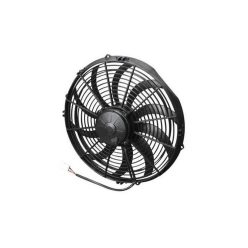
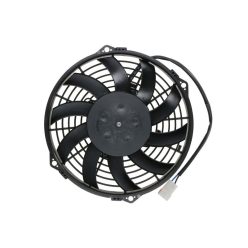
  • High-performance fan with a shroud: fans matter most in pits and low-speed sections; a proper shroud helps pull air through the whole core.
  • Seal the airflow path: gaps around the radiator let air bypass the core. Simple foam sealing and ducting can be a major trackday cooling upgrade.
  • Check pressure integrity: caps and sealing surfaces matter—poor pressure control encourages boiling and venting.

3) Intercooler: where boosted cars lose power first

Compressed air gets hot. Small factory intercoolers can heat-soak after a few laps, raising intake temperatures until the ECU protects the engine by pulling timing or boost. That’s why a strong first lap can turn into noticeable power fade mid-session.

Signs the intercooler is the limit

  • The first 1–2 laps feel great, then the car gets consistently weaker.
  • Hot weather and traffic make the problem appear faster.
  • Power recovery is slow even after backing off briefly.

Fix: capacity and balance

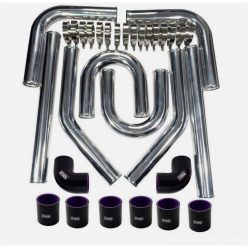
  • Higher-capacity intercooler: aim for stable intake temps and reasonable pressure drop—not “biggest possible.”
  • Clean routing: avoid excessive length and sharp bends that add loss and heat pickup.
  • Cooling stack balance: a large front-mount can reduce radiator airflow if ducting is poor. Proper ducting keeps both systems effective.

Engine bay heat management: don’t cook your own components

Radiant heat from headers, turbine housings, and downpipes can damage wiring, hoses, and connectors—and it can re-heat intake parts, hurting consistency. Managing radiant heat supports trackday cooling by lowering the entire bay’s baseline temperature.

  • Exhaust wrap: reduces radiant heat when installed correctly with quality materials.
  • Turbo blanket: targets one of the biggest heat sources on turbo cars.
  • Reflective shielding: protects airboxes, intake piping, and nearby wiring from radiant heat.
  • Physical heat shields: often the safest solution near brake lines and sensitive connectors.

How to choose upgrades in the right order

Don’t guess. The best approach is measure → find the bottleneck → upgrade precisely.

  • 1) What overheats first? Oil, coolant, intake air, or all of them?
  • 2) When does it happen? After 2–3 laps, only near session end, or mainly in the pits?
  • 3) What’s your use case? Short autocross runs vs 20–30 minute sessions need different headroom.
  • 4) What’s the car setup? More power, bigger brakes, blocked grille areas, and aero all change airflow.
  • 5) Street-driven too? Prioritize thermostatic solutions and proper warm-up behavior.

Common myths that break reliability

  • “Just buy a bigger radiator.” If air bypasses the core, you’re wasting money. Ducting and sealing matter.
  • “Coolant temp is fine, so I’m safe.” Oil can still be overheating—watch oil pressure trends.
  • “Remove the thermostat.” Often creates unstable control and poor warm-up. Cooling is a system, not a hack.
  • “Fans will fix track overheating.” At speed, airflow is king. Fans help mainly in pits.
  • “The biggest intercooler is always best.” Pressure drop and radiator airflow can get worse if the setup isn’t balanced.

Pre-track checklist

This doesn’t replace your service manual, but it’s a strong baseline.

  • Coolant level and condition: inspect leaks, hose aging, clamp integrity.
  • Pressure integrity: caps and sealing surfaces—poor pressure control encourages boiling/venting.
  • Radiator fins: debris and rubber marbles reduce heat transfer.
  • Fan operation: confirm proper triggering and full-speed operation.
  • Oil level and freshness: correct fill level matters; fresh oil for track use.
  • Data checks: oil temp/pressure, coolant temp, intake air temp, timing pull trend if you can log.
  • Airflow path: grille inserts, missing undertrays, and ducting changes can hurt cooling.

FAQ

How do I tell whether oil, coolant or the intercooler is the first failure point?

If coolant stays stable but hot oil pressure trends down, oil control is often the limit. If coolant climbs steadily each lap, airflow/radiator/pressure integrity is likely. On boosted cars, strong first laps followed by consistent power fade often points to intercooler heat soak.

Do I need the same setup for autocross and longer track sessions?

No. Autocross is short; track sessions are sustained. Long sessions demand more thermal headroom and better airflow management.

What’s the best first upgrade?

Start with measurement and fresh, suitable fluids. Then upgrade the system that hits its limit first—often a thermostatic oil cooler or airflow sealing/ducting.

Conclusion: stable lap times come from thermal headroom

Trackday cooling isn’t glamorous, but it’s the upgrade that lets you run full sessions with consistent power. Measure the right values, fix airflow first where possible, and choose targeted oil, coolant, charge-air, and heat-management upgrades that match how you actually drive.

Next step: check the related categories and build a package for your car and session length.

  • Oil cooler kits (thermostatic options for street+track)
  • Aluminum radiators and cooling accessories
  • Intercoolers and boost piping for turbo cars
  • Heat management (wrap, turbo blankets, reflective shielding)
  • Track-suitable engine oils and service fluids