Net price: 144 €
Net price: 143 €
Net price: 159 €
Net price: 100 €
Net price: 158 €
Net price: 184 €
Net price: 123 €
Net price: 166 €
Net price: 155 €
Net price: 112 €
Net price: 119 €
Net price: 114 €
Net price: 149 €
Net price: 92 €
A trackday exposes weak points fast. Components that feel perfectly fine on the road can reach their limit after only a few hard laps.
In this article, we break down the seven parts and system areas that most street cars struggle with first on track. You’ll get warning signs, common mistakes and practical prevention tips you can actually use before your next session.
goodridge-braided-brake-lines-performance-upgradeA trackday is where the truth comes out. On the road, many parts can feel perfectly acceptable while already operating close to their limit. On track, there is nowhere to hide. Repeated hard braking, sustained load, rising oil and coolant temperatures, and longer periods at full demand quickly reveal which components are genuinely ready for the job.
And this is the key lesson: most cars do not fail because of one dramatic, obvious problem. More often, a handful of smaller, underestimated weak points start fading first. The brake pedal loses consistency, oil gets hotter, coolant creeps upward, the tires lose stability, and suddenly the car no longer feels the same as it did on the opening lap.
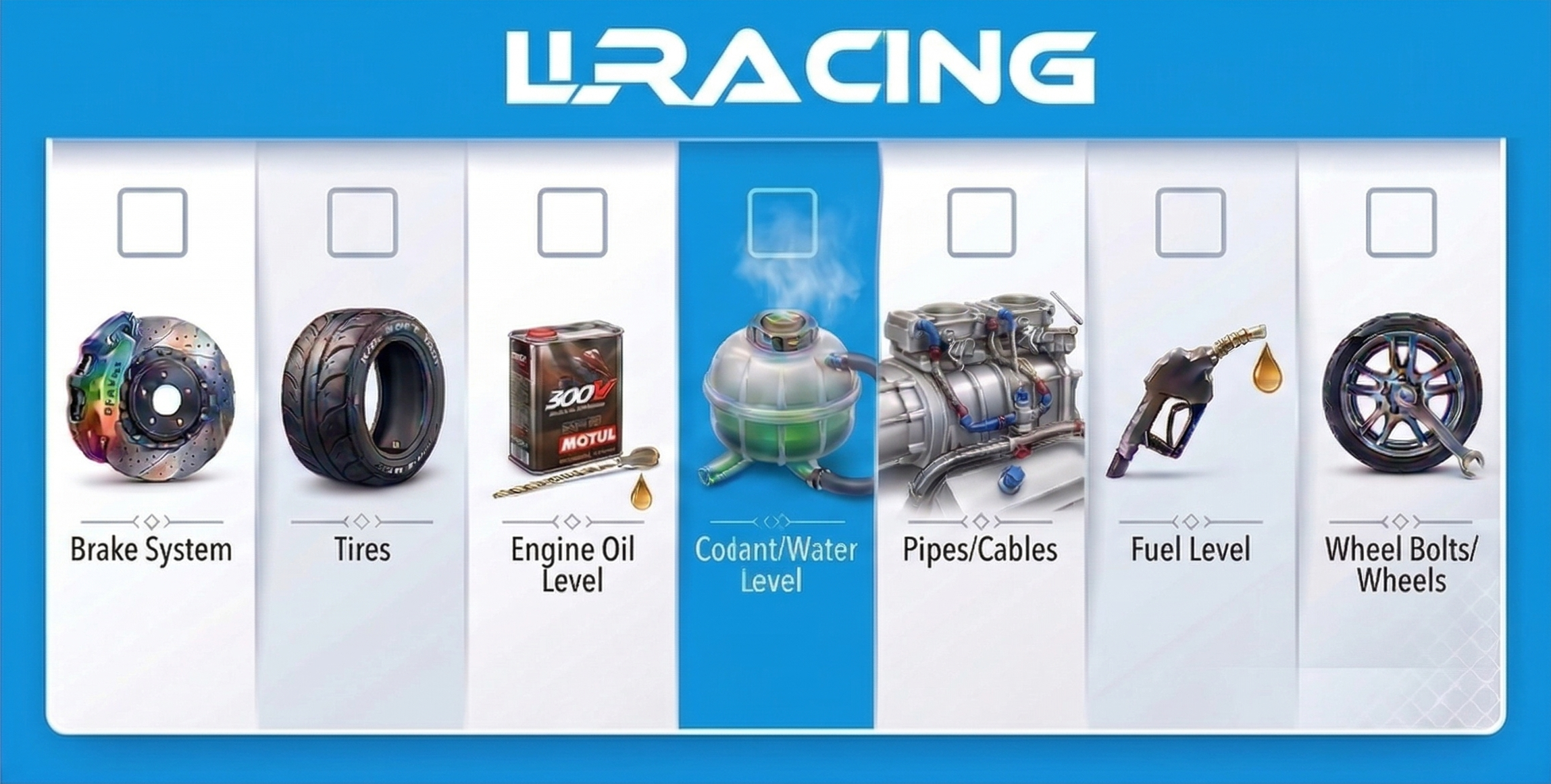
Here are the 7 parts and system areas that usually give up first when a street car sees real track use.
Most people do not think seriously about brake fluid until the pedal starts going soft. On track, however, it is one of the first things that tells you how prepared the car really is.
Under repeated heavy braking, the heat load in the braking system rises dramatically. If the fluid is old, low-spec or simply not suitable for this type of use, it can reach its limit very quickly. Pedal feel degrades, braking confidence drops, and the whole car becomes less predictable.
Typical warning signs:
What to do:
Do not go to the track without fresh, appropriate brake fluid. It may not be the most glamorous upgrade, but it is one of the most important.

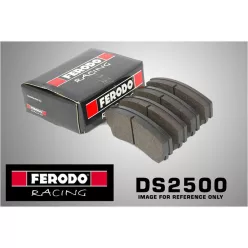
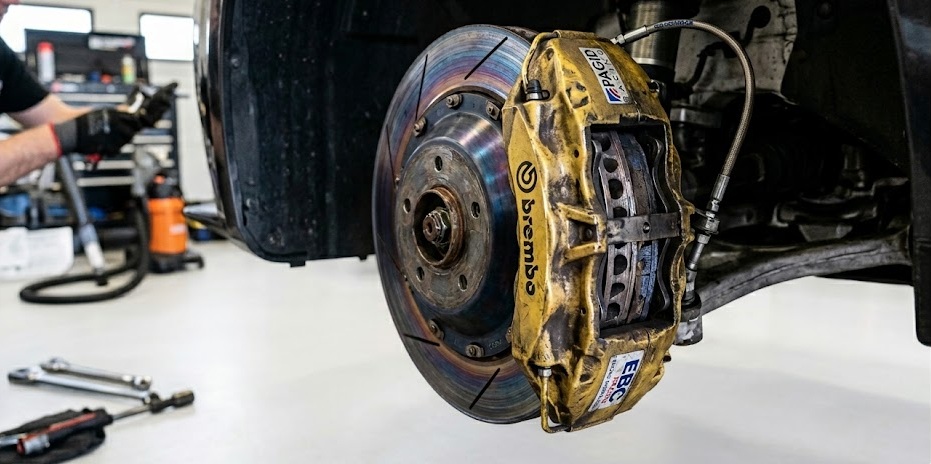
Many road pads are perfectly usable in daily driving, yet quickly show their limits on track. Once the pad compound is outside its comfort zone, initial bite drops, braking becomes less consistent, and the driver starts backing off earlier than planned.
One of the most common self-deceptions in track preparation is assuming the brakes are “fine” because they behave well on the road. On track, the real question is not whether they work once. It is whether they work the same way, repeatedly, when hot.
Typical warning signs:
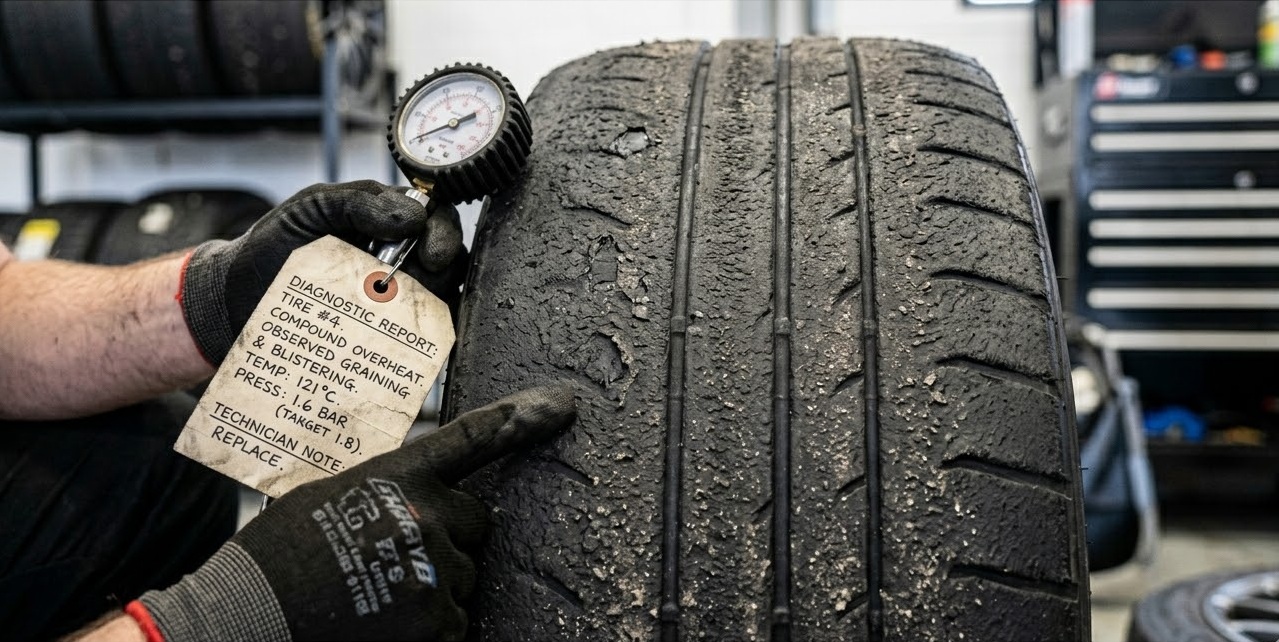
Tires do far more than create cornering grip. They define how predictable the car feels. Many road tires work well enough in everyday use, but on track they can overheat quickly, pressure rises, and the car loses the balance that felt so good on the first lap.

This becomes dangerous because many drivers do not immediately blame the tires. They suspect setup, surface conditions or even their own driving, while the real issue is that the tire has simply moved outside its happy operating range.
Typical warning signs:
What to do:
Do not just choose a tire—manage pressure properly. One of the cheapest and most valuable trackday habits is checking cold and hot tire pressures consistently.
Oil sees a completely different level of stress on track. Sustained high rpm, longer full-load operation, elevated under-bonnet heat and constant thermal input all reveal how much reserve the lubrication system really has.
The problem is that many drivers do not feel it immediately. The car still runs, just hotter and with a shrinking safety margin. By the time the issue becomes obvious, you may already be further into danger than you realise.
Typical warning signs:
What to do:
Go to the track with fresh, suitable oil, and if you plan to do trackdays regularly, oil temperature and oil pressure information become hugely valuable.
Most street-car cooling systems are designed for road use. That is not a flaw—it is simply their intended environment. On track, however, the engine works harder for much longer, and the reserve capacity that seemed fine on the road can disappear fast.
Overheating is not always dramatic. Sometimes the coolant temperature just creeps upward lap after lap, then rises even more once the car slows down in the paddock. That is exactly the kind of behavior you should never ignore.
Typical warning signs:
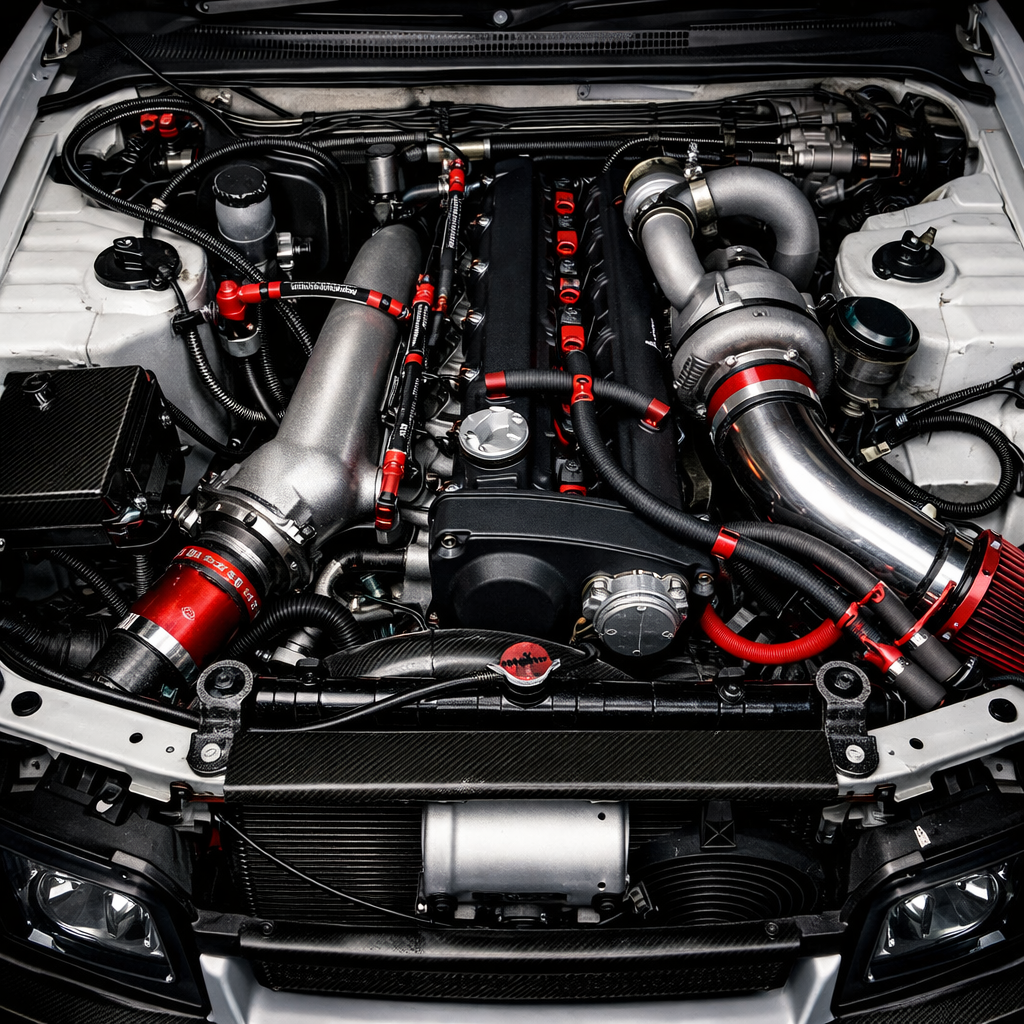
Track use does not just demand more air. It also demands stable fuel delivery under sustained load. If the pump, pressure strategy, rail, line size or connections are not matched to the setup, the car may first become inconsistent and later move into genuinely unsafe territory.
This is one of the riskiest areas because the symptoms are not always loud or obvious. The engine may not instantly misfire. It may not smoke. It may not fail in a spectacular way. It may simply stop delivering the kind of stability the engine needs when the load stays high.
Typical warning signs:
If you want to go deeper on this subject, read this related article too:
Returnless fuel system stability: when it beats a return setup (and when it doesn’t)
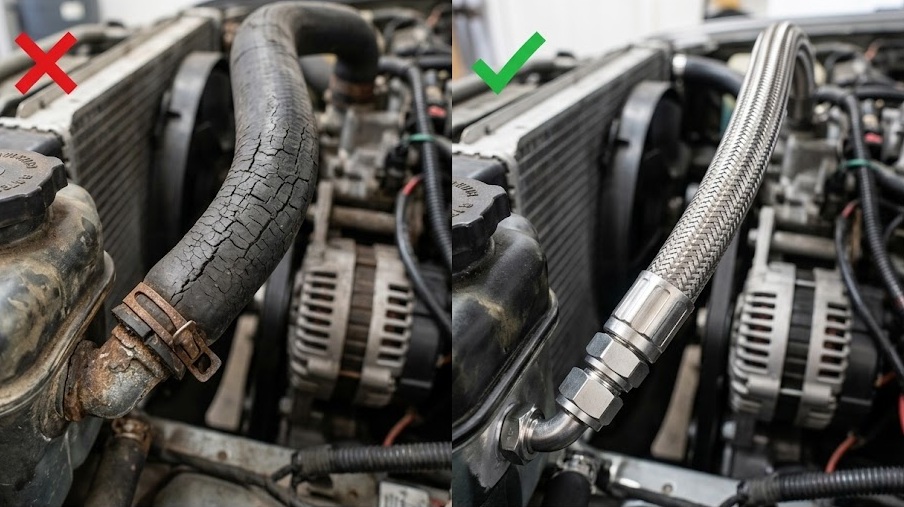
Many trackdays are not ended by a major hard part. They are ended by a small detail. A tired clamp, a poor-quality connection, a heat-damaged hose or a fitting operating near its limit is enough to ruin the day.
This area is especially frustrating because most of these failures are preventable. They simply do not get enough attention because they are not exciting, visible or glamorous in the way a power upgrade is.
Typical warning signs:
If you do not want to panic in the paddock, build a simple routine before you leave:

A trackday is not the enemy—it is a mirror. It shows you where the car is properly prepared and where the setup still relies on compromise. Most street cars do not struggle because they are bad. They struggle because they are being used in a way they were never originally designed for.
If you understand the seven areas that most often reach their limit first, you are already ahead. Not only because you reduce the risk of problems, but because you will start upgrading more intelligently. And in the end, the well-built car is always faster than the one that only feels impressive for a short time.
Related reading:
Trackday cooling: oil, coolant, intercooler—where most street cars fail first