
It is easy to fall in love with numbers in the tuning world. Horsepower, torque, boost pressure, injector size, peak output. It all sounds exciting, it all looks impressive, and it all suggests that the car is constantly becoming better. Reality is usually more sobering.
Most tuned street cars do not become disappointing because they lack power. And they usually do not fail because there was not enough money, effort or enthusiasm behind the project. Much more often, the problem is that a few bad decisions are made during the build process, and those decisions eventually damage everything: drivability, reliability, consistency and the entire character of the car.
Tuning is not horsepower shopping. Tuning is system building.
Without that mindset, even strong parts can produce a weak result. Here are the 5 bad decisions that ruin most street-car tuning projects.
1. Adding power before building a foundation

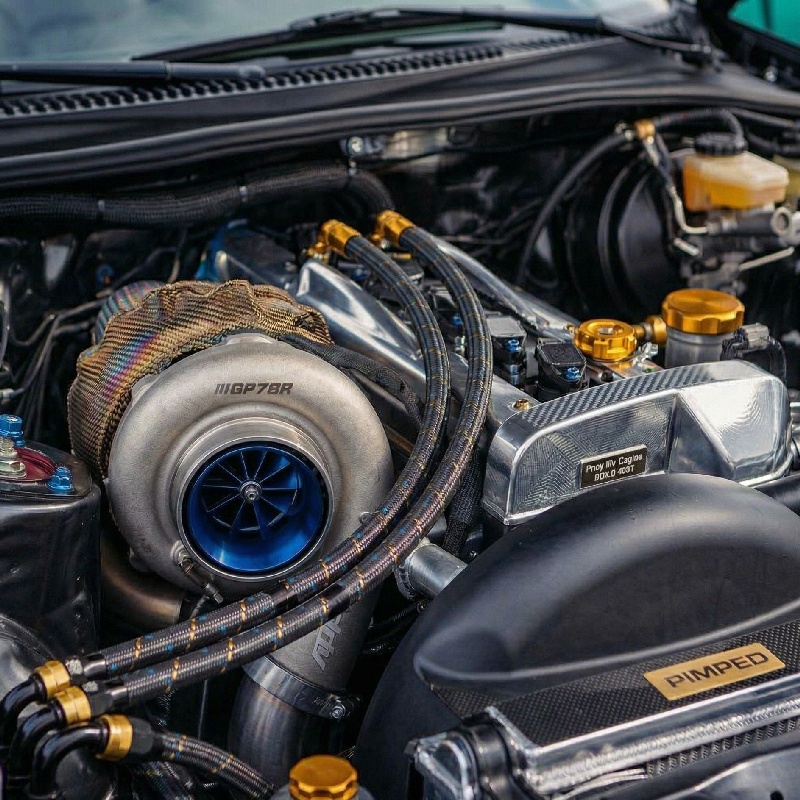
This is one of the most common and most expensive mistakes. The project starts with more power straight away: a bigger turbo, a more aggressive tune, larger injectors, a louder exhaust, a stronger clutch. On paper, everything looks exciting. The problem is that the rest of the car has not grown into the job.
Extra power means very little if:
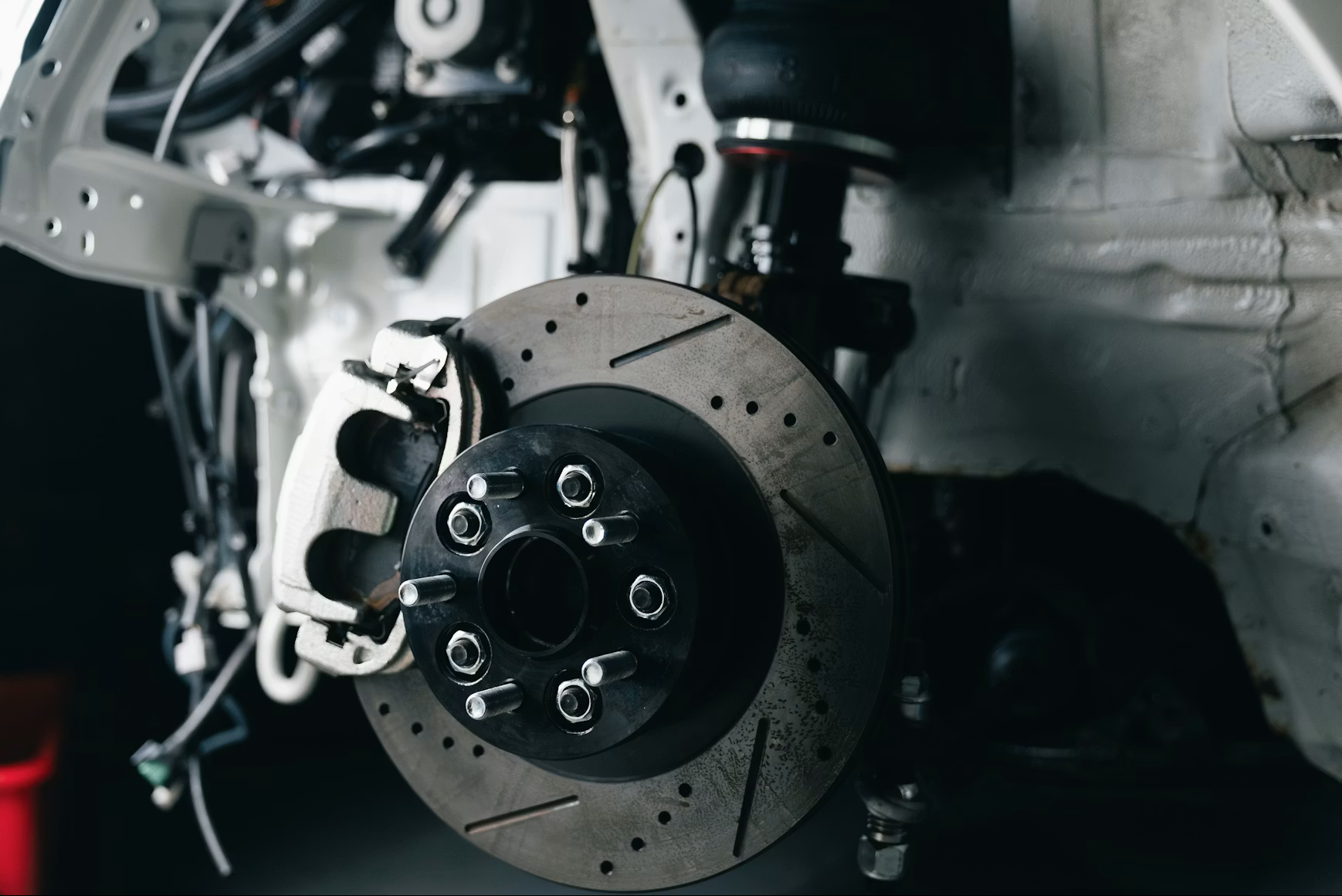
- the brakes cannot deal with the higher speed,
- the cooling system was already close to its limit in stock form,
- oil temperature climbs too quickly,
- the fuel system only just keeps up,
- or the suspension and tires cannot turn the power into usable performance.
This is how you end up with cars that are powerful, but only for short periods. Fast, but only in ideal conditions. Impressive, but not truly usable.
What is the better decision?
Start with stable fundamentals: brakes, cooling, lubrication, tires, chassis and fuel delivery. Extra power only makes sense when the rest of the car can support it properly.
2. Choosing parts without defining the goal
One of the most common questions in tuning is “which one is better?” The problem is that this is often the wrong question. A part is not good simply because it is expensive, popular or widely used. A part is good when it matches the goal.
A street car, a fast road car, a trackday car, a sprint build, a drift setup and a long-term reliable daily all require different decisions. What works brilliantly in one context may be unnecessary, excessive or even harmful in another.
Typical examples include:
- a turbo that is too large for road use,
- a clutch that is too aggressive for daily driving,
- suspension that is too stiff for real roads,
- a tire that only works in a narrow ideal temperature range,
- or a fuel system that is oversized without being properly integrated.
These builds rarely feel refined. They feel nervous, compromised and often tiring to live with.
What is the better decision?
Define the purpose of the car before buying parts. Is it for the road? Trackdays? Weekend fun? Daily use with extra performance? Good tuning is not universal—it is purpose-driven.
3. Thinking in separate parts instead of thinking in systems

This is the point where many cars look strong on paper yet never work properly as a whole. A project may contain many “good” parts, but no real system logic behind them.
You can have a great turbo if the intercooler setup is poor. You can have excellent injectors if the pump or pressure control strategy does not match. You can have serious suspension if the tires or alignment are not properly set up. You can have a strong engine if heat management remains the weakest point in the package.
One of the most important truths in tuning is that a car is not a pile of parts. It is a system where everything affects everything else.
What is the better decision?
Always think in systems. When you increase load or performance in one area, consider what that means for cooling, braking, fueling, lubrication and drivability.
4. Making cheap compromises in critical areas

Not every cost-saving decision is a mistake. But there are certain areas where the cheap option becomes the expensive option later. In tuned cars, this is especially true for parts that directly affect reliability or safety.
These areas include:
- hoses and fittings,
- clamps and connections,
- gaskets and seals,
- brake components,
- fuel-system hardware,
- sensors and gauges,
- heat protection and thermal management parts.
The most frustrating failures often do not come from the expensive main component. They come from one small “this will do” part that was chosen as a compromise. A weak clamp, poor hose, inaccurate sensor or questionable fitting can be enough to make the whole system unreliable.
What is the better decision?
Do not let the cheapest option decide in critical areas. Reliability often depends less on the glamorous main parts and more on the details that other people ignore.
5. Driving and building by feel only, without measuring

Many people build and use tuned cars almost entirely by feel. “It feels fast.” “It seems weaker now.” “I think it is running hot.” “It might be leaning out at the top end.” That may be enough for conversation, but it is not enough for serious building.
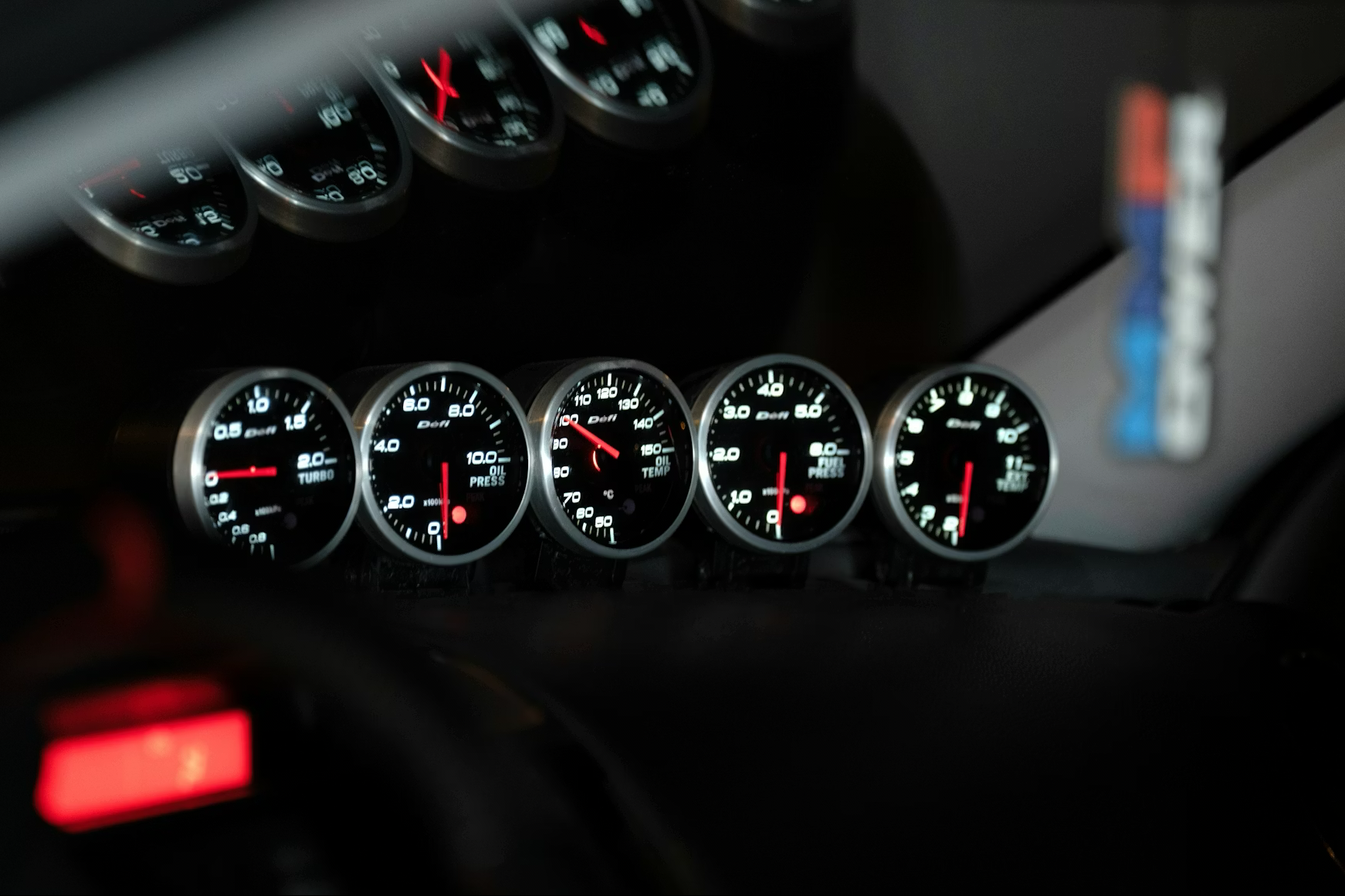
One of the most important tools in modern tuning is information. If you do not know what the car is actually doing, you are mostly guessing. Oil pressure, oil temperature, intake temperature, air-fuel ratio, fuel pressure and boost behaviour are not matters of opinion.
Feel matters, but it does not replace measurement.
What is the better decision?
Measure what matters. Not because every project needs full race telemetry, but because you need to understand how the car behaves under real load. A well-built car does not just feel fast—it also makes sense in the data.
Why do so many builds go wrong?
Because tuning naturally pulls people toward the visible, exciting side of the hobby. It is far more fun to talk about power figures than brake fluid, oil temperature, fittings or pressure stability. Yet the cars that stay genuinely good are almost always the ones where those less glamorous areas were handled properly too.
A truly well-built street car is not always the loudest, the most powerful or the most expensive. It is the one where every part works toward the same goal.
Conclusion
If a tuned street car becomes a disappointment, the reason is often not the power itself. Much more often, it is the result of bad order, bad logic and bad priorities during the build.
First make it stable, then make it powerful. First make it coherent, then make it dramatic. First build a system, then chase numbers.
That is the mindset that creates a street car which is genuinely fast, enjoyable and durable.

Related reading:
Trackday With a Street Car? Survivability Matters Before Horsepower
Going to a Trackday? These 7 Parts Usually Fail First