Expert customer service available Monday to Friday, 8:00 AM – 4:00 PM via e-mail at INFO@LLRACING.EU .

Majorette model cars: 7 quick checks to avoid a disappointing buy

Majorette model cars: 7 quick checks to avoid a disappointing buy

Majorette model cars can be brilliant—if you know what to inspect: wheel alignment, paint quality, fitment, and the small defects that ruin rolling and looks. This guide gives you fast, practical checks for choosing a great piece for play or display, plus simple habits that keep your mini cars looking sharp for longer.

If you’re into real cars, you already get it: tiny details matter. This article is for parents, collectors, and anyone who wants a solid mini car without guesswork.

15/12/2025 04:03 LLRacing

Buying a mini car feels easy—until you get one that wobbles, won’t roll straight, or looks “off” the moment you unbox it. Majorette model cars sit in the sweet spot of fun and detail, but the best experience comes from picking the right piece for your purpose and doing a few quick checks.

What are Majorette model cars?

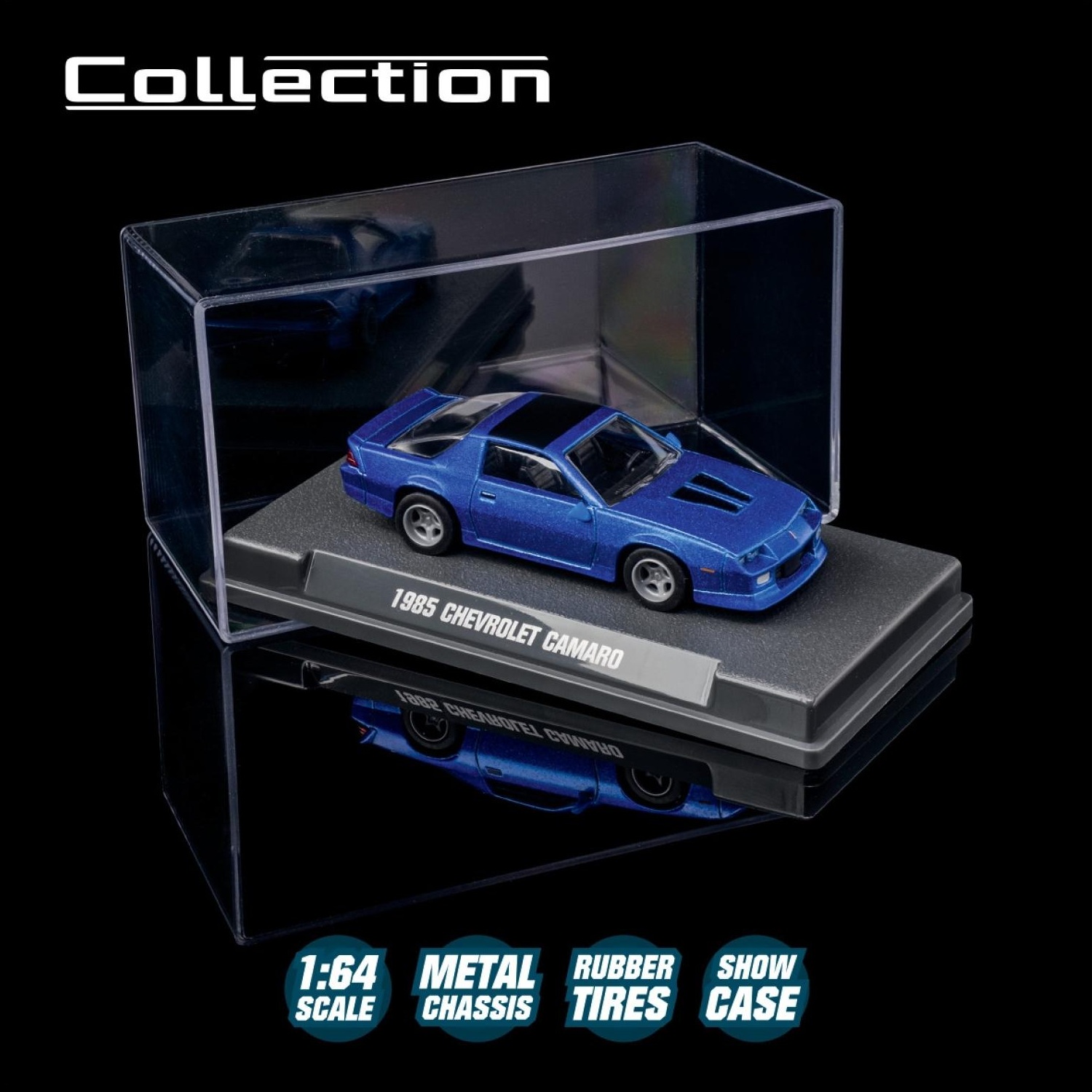
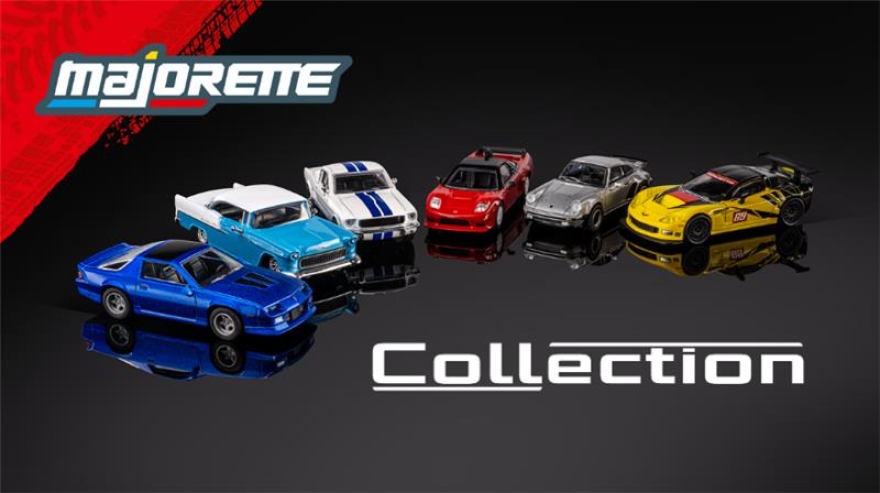
Majorette model cars are typically part of the die-cast mini car world, where a metal body and molded parts create a sturdy, satisfying feel. Depending on the series and design, the focus can lean more toward playability (smooth rolling, durable build) or toward display appeal (clean paint, crisp graphics, nicer proportions).

The key idea: a “good” mini car is not just about being heavy or shiny. It’s about straight wheels, consistent paint, clean fitment, and proportions that look right from every angle.

Scale, proportions, and why they matter

Scale isn’t only a number—it changes what you can realistically expect. Smaller mini cars are easier to carry and race on simple tracks, but they may simplify details. Larger ones can show more surface and trim, but they also reveal flaws more clearly.

A quick reality check

  • Wheel-to-body stance: does it sit evenly, or does one corner look higher?
  • Ride height: too high can look toy-like; too low can scrape and snag.
  • Symmetry: the easiest “tell” is a car that looks slightly crooked from the front.
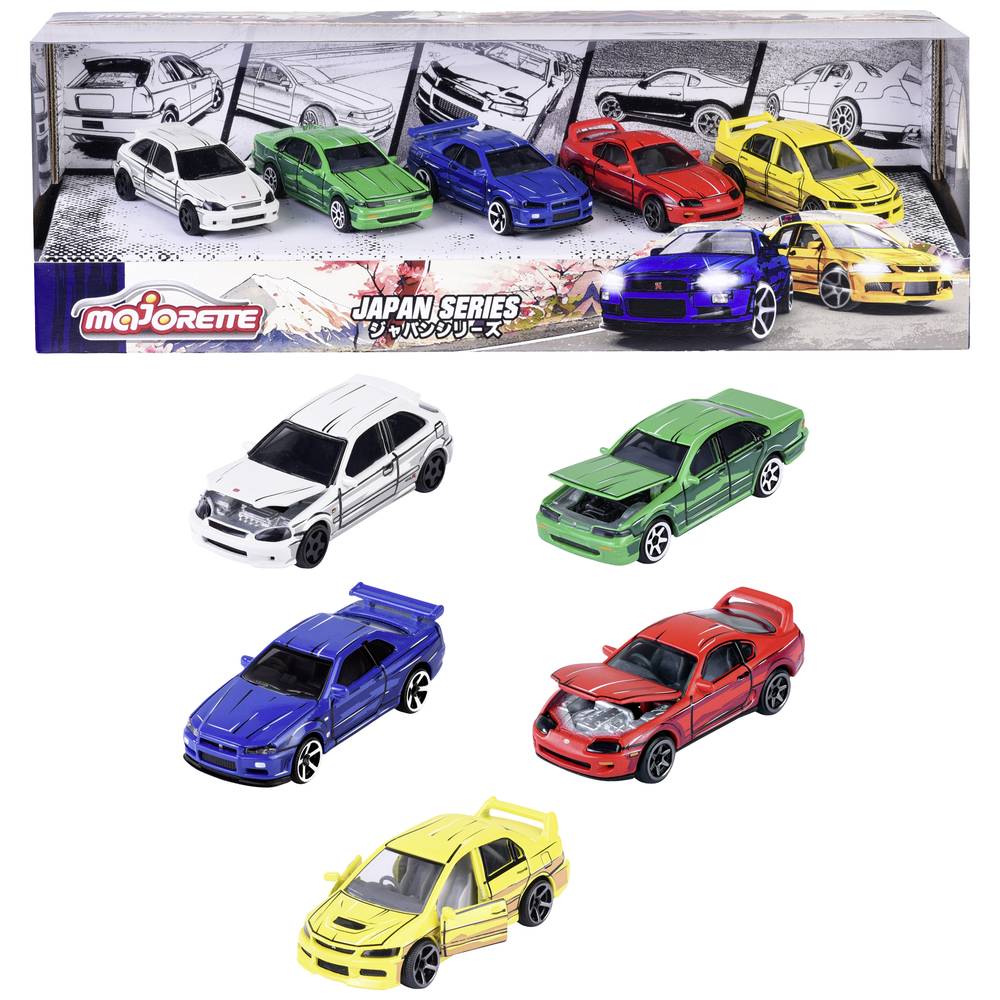
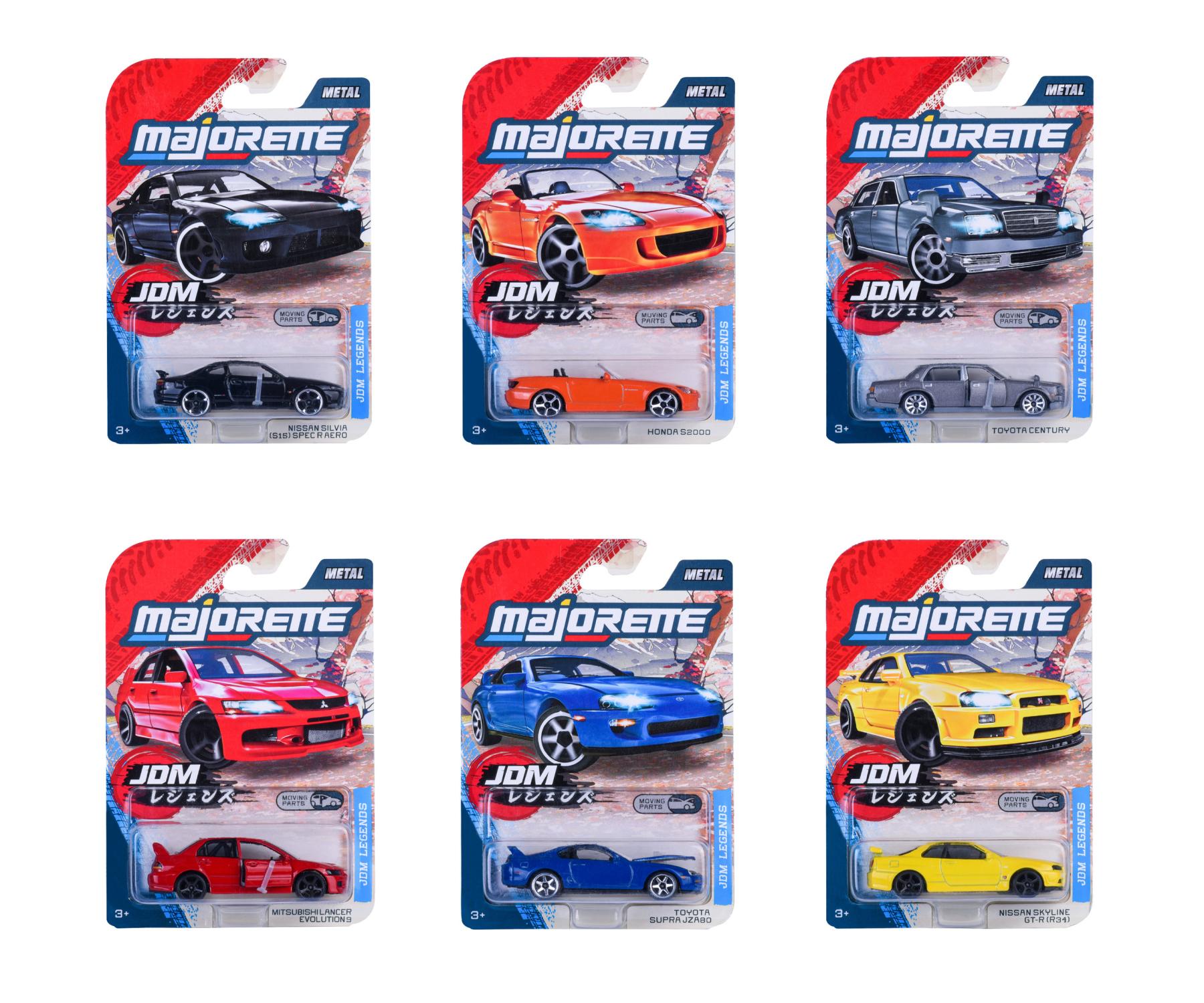
  • Extra features: opening parts can be fun, but they add potential misalignment.

How to choose Majorette model cars for your goal

Start with a simple question: what do you want it to do? A pocket racer, a desk display piece, or a gift that needs to survive real play? Your answer decides what “quality” means.

If it’s for play

  • Prioritize smooth rolling and a stable axle.
  • Avoid overly fragile mirrors/spoilers if the user is younger.
  • Choose designs that feel balanced in the hand, not top-heavy.

If it’s for display

  • Look for clean paint edges and consistent gloss or matte finish.
  • Check graphics sharpness: blurred or shifted prints are instantly visible.
  • Inspect fitment around windows, lights, and base plate.

7 quick checks before you buy

These take under a minute and prevent most disappointment with Majorette model cars—whether you’re buying in-store or checking a fresh delivery.

  • Wobble test: place it on a flat surface—does it rock corner to corner?
  • Straight roll: gently push it—does it drift hard left/right?
  • Wheel seating: are the wheels centered, or does one look tucked in/out?
  • Axle look: from the front, do both wheels sit at the same angle?
  • Paint scan: check roof edges and corners for chips, runs, or dusty texture.
  • Print clarity: logos/plates should look crisp, not smeared or misaligned.
  • Fitment: windows and base shouldn’t gap or bulge; opening parts shouldn’t scrape.

Unboxing checks for online orders

With shipped items, packaging tells a story. If the blister or box is crushed, the mini car may have taken impact—even if it “looks fine” at first glance.

  • Photograph visible box damage right away.
  • Look for cracks or looseness in the blister that lets the car move.
  • Run the wobble and straight roll tests before it becomes “used.”

Common myths that lead to bad picks

  • Myth: “Heavier always means better.” Rolling quality often depends more on axle alignment.
  • Myth: “Opening parts are always premium.” They can also mean more fitment risk.
  • Mistake: only looking from the front. The side view reveals most stance issues.
  • Mistake: planning to “fix it later.” Small DIY tweaks can damage paint or clips.

Care and storage: keep it rolling and looking clean

Mini cars don’t need complex maintenance, but they do benefit from good habits. The goal is to protect paint and keep debris away from the wheels/axle.

  • Dust: use a soft brush or microfiber cloth—especially around wheel arches.
  • Avoid sunlight: long exposure can fade finishes over time.
  • Storage: a dust-protected shelf or display is ideal; loose boxes can cause rubbing.

FAQ

Are Majorette model cars better for kids or collectors?
They can work for both. For kids, focus on durability and smooth rolling. For collectors, prioritize paint and fitment.

What usually causes a mini car to roll poorly?
Most often axle misalignment or debris near the axle. Wobble is a strong warning sign.

Should I choose models with opening parts?
Only if you check that they don’t scrape paint and that panel gaps look even.

Wrap-up: buy smarter, enjoy longer

The best mini car is the one that matches your goal and passes quick checks. When wheels run true and paint/fitment look clean, Majorette model cars can deliver that “mini motorsport” joy on your desk, shelf, or living-room floor.