
The Fuel Tank Accessories category covers the small parts that make a tank system fit and work properly: filler components, fuel caps, gaskets, plus fuel level senders and gauge options. Always confirm key specs on the product page, including length (mm / inch), standard (e.g. SAE) and connection type (e.g. AN), so the accessory matches your tank and wiring/plumbing.
As a LEAF category, filter by brand and stock, sort by price or popularity, then open a product card to verify exact dimensions and compatibility. Pick the right accessory and place your order.
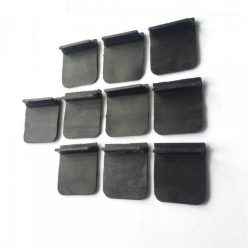
Net price: 10 €
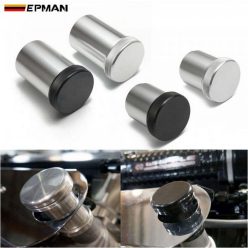
Net price: 7 €
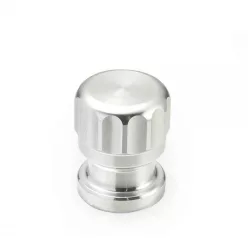
Net price: 8 €
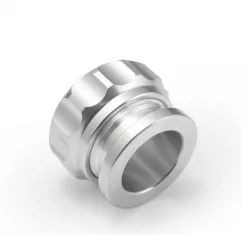
Net price: 10 €
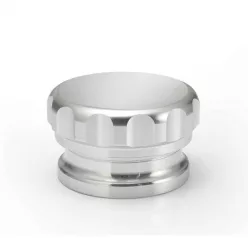
Net price: 11 €
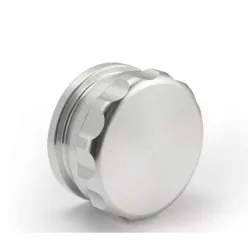
Net price: 12 €
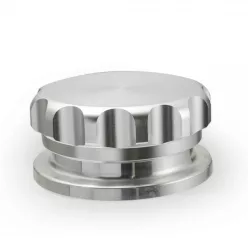
Net price: 13 €
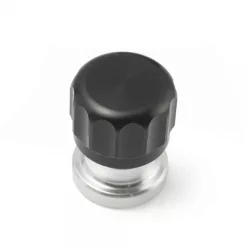
Net price: 8 €
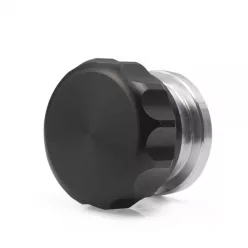
Net price: 10 €
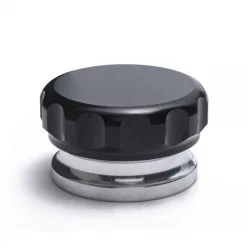
Net price: 11 €
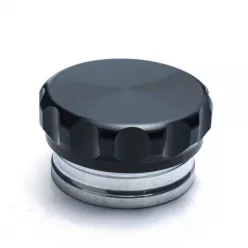
Net price: 13 €
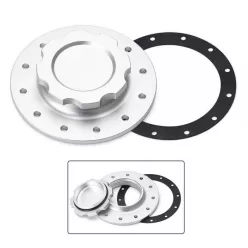
Fuel Tank Accessories – accurate fitment, reliable level indication and clean refuelling
A tank system is only as dependable as its refuelling, sealing and level measurement. This category focuses on the parts that complete the installation and keep it serviceable: filler neck options, fuel caps, gaskets, and different fuel level sender and gauge solutions.
For custom builds, sizing and standards matter more than naming. Use the product page to confirm details such as 0–90 ohm sender range, length (e.g. 260 mm / 550 mm), or the exact connection style required for your plumbing.
Technical Basics
Fuel level sender compatibility depends on mechanical fitment and electrical range. Some products specify SAE format and a defined range such as 0–90 ohm, while others are selected mainly by length like 260 mm or 550 mm.
On the refuelling side, you’ll see filler parts and filler neck (fill neck) components where geometry and connection style define how easy the install will be. It’s common to find fittings such as a AN-24 elbow and a 1.5in (about 38 mm) hose barb, so match hoses and clamps accordingly.
Sealing depends on the correct gasket and clean mating surfaces; a worn cap or damaged seal can cause odour, seepage or leaks. Quick warning: only use fuel-rated materials, and don’t mix incompatible standards (different flare seats, bolt patterns or sealing concepts).
For motorsport-style tanks, you may encounter a fuel basket insert solution, including ATL-type variants. These are designed to keep the pickup area supplied under high lateral G, especially when fuel level is low.
Some installations also need dedicated mounting straps or clamps, including vehicle-specific options such as BMW E36 items. Here, corrosion resistance (e.g. stainless) and correct load distribution help prevent movement and fatigue over time.
Selection Criteria
For level indication, decide whether you need a sender, a gauge, or a complete matched set. If the sender specifies 0–90 ohm or a fixed length like 260 mm, confirm your gauge and tank provision match those parameters before ordering.
For refuelling parts, packaging is the bottleneck: check whether the chosen filler neck is straight or angled, how it mounts, and what hose size it expects. If the product lists a AN-24 elbow or a 1.5in barb, plan the hose run so it won’t kink at full suspension/chassis movement.
If you’re improving fuel pickup stability, a basket insert should be treated as a system component, not just an add-on. Return routing, venting and pump placement all affect whether the insert will deliver consistent results under real track conditions.
For sealing and hardware, look for exact fitment: the correct gasket for your filler/cap design, or a dedicated mounting clamp specified for your application (e.g. BMW E36). The most common issue is choosing a “close enough” size, which leads to stress, vibration and eventual seepage.
Installation & Maintenance
Before assembly, clean mating surfaces and inspect the gasket, because small damage can cause vapour smell or leaks. With AN-style connections, ensure the flare seat mates cleanly and avoid over-tightening, which can damage the sealing surfaces.
When fitting a filler neck, route the hose without sharp bends and support the filler area to reduce vibration. Quick warning: if a hose passes through bodywork, protect the contact points to prevent long-term chafing and fuel seepage.
For a 0–90 ohm sender, keep the float arm/tube free of interference and secure wiring away from heat and abrasion. A quick resistance check across the sender travel can help confirm correct operation before final closure.
As routine maintenance, inspect the fuel cap, clamps and all joints seasonally, especially after heat cycles. If you notice odour or dampness, start with seals and connections, then re-check mounting security.
FAQ
Which fuel level sender fits my tank?
Answer: Check the mechanical length first (for example 260 mm or 550 mm), then match the electrical range such as 0–90 ohm. The sender and gauge must use the same range, otherwise the reading will be inaccurate.
What does a 0–90 ohm fuel level sender mean?
Answer: It’s the resistance range the fuel level sender outputs across its travel. If your gauge expects a different range, the indication will be offset or non-linear, so always compare specs before buying.
How do I know if an AN-24 / 1.5in filler neck will work?
Answer: Measure your available space and confirm your hose size, then verify the product’s AN-24 and 1.5in details. If it’s an elbow design, make sure the hose route won’t kink once installed.
What is a fuel basket insert used for?
Answer: A fuel basket insert helps keep fuel around the pickup under high lateral G, reducing pickup issues at low fuel level. It works best when the whole system (pump placement, return routing, venting) is designed coherently.
Why are the fuel cap and gasket so important?
Answer: The fuel cap and gasket prevent vapour escape and leaks, especially after repeated heat cycles. If you notice odour or seepage, inspect these parts and the surrounding joints first.
Filter by key specs and order the fuel tank accessory that matches your build.
