
An electric water pump (EWP) or mechanical water pump keeps coolant moving through the system: the electric option is often remote-mounted and controllable, while the mechanical version usually follows engine speed via belt drive. That matters when you want cleaner packaging, auxiliary circulation or a vehicle-specific replacement part for a road or track car.
You will find EWP kits, booster pumps, controllers, temperature senders, mounting parts and fitment-specific pumps here. Verify exact dimensions and specifications on the product card; in-stock items dispatch fast within the EU.
When choosing, fitment, connection type, control strategy and available space matter most; to reduce problems later, pay close attention to bleeding, flow direction and vibration-friendly mounting. Use filters by brand, availability and price, then open the product page to confirm the exact details.
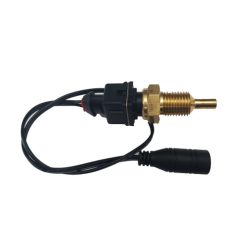
Net price: 27 €


Net price: 142 €
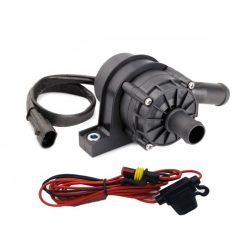
Net price: 147 €
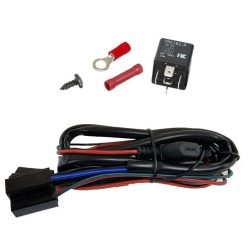
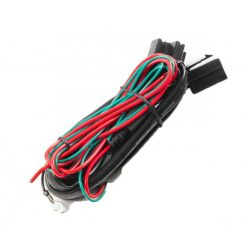
Net price: 18 €

Net price: 41 €
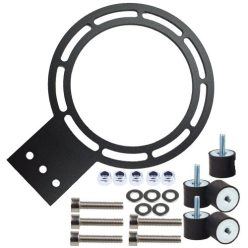
Net price: 41 €
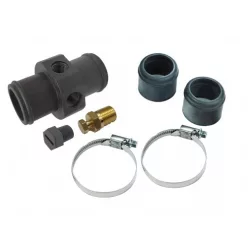
Net price: 39 €
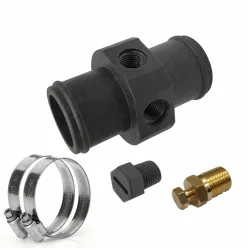
Net price: 39 €
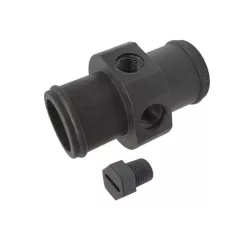
Net price: 32 €
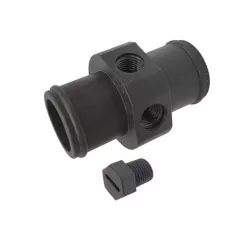
Net price: 32 €
Electric & Mechanical Water Pumps for Stable Coolant Circulation
System logic: In motorsport and fast-road projects, many shoppers look for an electric water pump under the shorthand EWP, but this category also brings together mechanical fitment-specific pumps, booster pumps and the control hardware around them. That is useful when you want to match the pump choice with thermostat strategy, fan control, hose routing and the space actually available in the engine bay.
Technical background and system integration
Role: A water pump keeps coolant moving, which can help distribute heat load across the block, cylinder head, radiator and, where relevant, a water-to-air intercooler circuit. An electric pump may suit layouts that need more flexible placement and controller-based operation, while a mechanical pump often suits OEM-style replacement logic with housing and pulley alignment tied to a specific engine family.
- Type: The range includes universal EWP kits, electric booster pumps, fitment-specific mechanical pumps and adapter-based solutions, so first decide whether you are replacing the original pump, adding circulation support or buying a like-for-like service part.
- Material: Product cards in this category include alloy, cast aluminium, nylon-bodied and vibration-isolated mounting solutions; that can influence mass, packaging and how the installation reacts to vibration.
- Connections: Some items use standard hose spigots, 35 mm push-on necks, 1/4 NPT temperature sender threads or wider hose-size compatibility ranges, so always compare the listed interface to your own plumbing and sensor plan.
- Hardware: Controllers, looms, relays, senders, brackets and mounting plates are not secondary details; they can affect control strategy, wiring layout and how easy the system is to service later.
How to choose the right one
Quick selection: If you want to replace or support an existing mechanical pump, start by checking engine platform, available space, hose diameter and whether you also need a controller or sender. Because this is a product-list page, the most efficient route is to filter by brand and kit type, then compare on the product card whether the pump is a standalone unit or a complete package with the connection style, voltage and control parts you need.
- EWP: This can suit projects where pump position must be more independent from the front of the engine, or where coordinated pump-and-fan control would be useful.
- Mechanical: This is often the practical route when you want to retain an OEM-style belt-driven layout and fitment is primarily tied to one engine family.
- Kit: If you do not already have the control and mounting hardware, a pump supplied with controller or wiring parts may reduce the risk of piecing together the basic installation from multiple sources.
Installation and failure-prevention tips
Degrease using a manufacturer-recommended cleaner, then allow to dry completely before applying load/boost. After that, check hose-end condition, clamp width, sender position and whether the electric pump location supports a flooded, air-free start-up. On mechanical pumps, clean mating faces, the correct gasket strategy and pulley alignment matter just as much.
Mounting: On electric pumps, avoid hose routing that pulls sideways on the housing and avoid rigid brackets that feed vibration straight into the body; rubber-isolated or well-supported mounting can be kinder to joints and wiring. In controller-based systems, sender position and loom routing may matter almost as much as pump size.
Common failure: A frequent issue is mounting the electric pump too high, leaving an air pocket in the system, then seeing temperature swing during load changes while pump noise changes at the same time. That can often be reduced by choosing a lower location that supports a flooded pump, bleeding the system carefully and re-checking flow direction before hard use.
PRO TIP: If you are refreshing the whole cooling layout, do not judge by pump headline figures alone; sender thread, controller compatibility, loom length and available mounting points often decide the cleaner solution first.
FAQ
Should I choose an electric or a mechanical water pump?
That depends on the job. An electric option may suit flexible placement, auxiliary circulation or controller-based operation, while a mechanical pump is often the right answer when engine-specific fitment and OEM-style replacement are the main priorities.
What is the most common failure or installation mistake?
Use a checklist: confirm flow direction or rotation, bleed point, hose size, sender thread, power supply and relay on electric systems, then check pulley plane and sealing-face cleanliness on mechanical systems. If one of those basics is off, early running symptoms can point you in the wrong direction.
Do I need a separate controller for an electric water pump?
Not in every case, but it is useful in many projects. A controller can help coordinate pump and fan operation, manage temperature-based control logic and keep the wiring layout more organised.
What should I confirm before ordering?
Compare hose size, connection type, installation direction, available mounting room and whether you are buying a standalone pump or a complete kit. On fitment-specific parts, engine code, model year and the compatibility note on the product page are all worth checking.
How can I tell when coolant flow is not right?
Temperature fluctuation under changing load, slow cool-down, unusual pump noise or hoses heating unevenly can all point to a flow issue. Work through coolant fill level, sender location, controller settings and hose routing step by step before replacing parts.
