
In Engine Electronics you’ll find performance ECUs, robust wiring looms, power distribution and protection modules built for track and road. Designed for low-latency CAN communications, clean power and reliable I/O, these parts let you scale features without compromising safety. Select by channel count, protocols and packaging to match your engine, sensors and installation space.
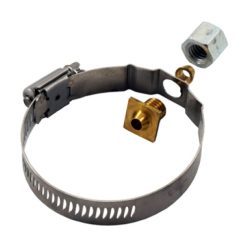
Net price: 30 €
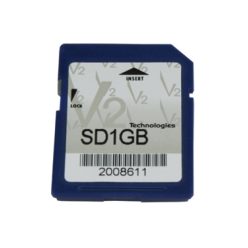
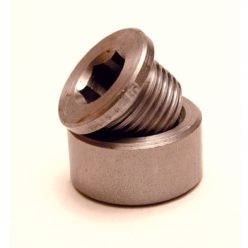
Net price: 15 €
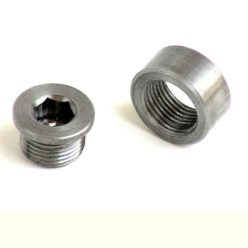
Net price: 15 €

Net price: 58 €
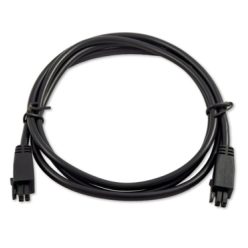
Net price: 23 €
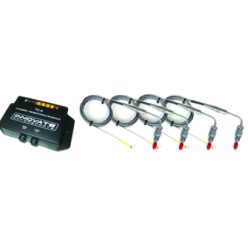
Net price: 710 €
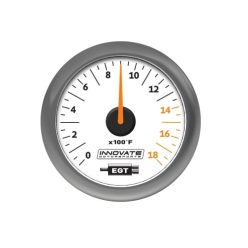
Net price: 354 €
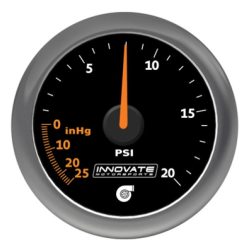
Net price: 312 €
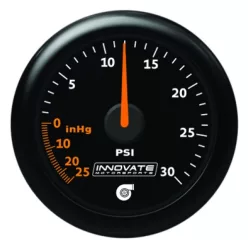
Net price: 312 €
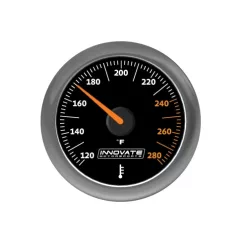
Net price: 298 €
Brief summary & key benefits
Engine Electronics ties the powertrain together with reliable control and protection. Modern ECUs offer advanced strategies, flexible I/O and low-latency CAN, while solid-state power distribution modules keep the system safe and diagnosable. The result is cleaner wiring, faster troubleshooting and better track-day availability.
Technical Basics
ECUs: processing power and scheduling precision determine strategy quality—closed-loop lambda, knock control, thermal/pressure limits. Accurate sampling and robust trigger decoding keep timing consistent at high RPM.
I/O & expansion: analogue/digital inputs, PWM outputs, low/high-side drivers and H-bridge channels. When channels run out, add CAN expanders (EGT, thermocouple, IO) to keep the main loom simple.
Power distribution: replace relays/fuses with a programmable PDM. It supervises current, offers software reset and logs faults—lighter, cleaner and easier to service.
Communications: multi-bus CAN separates engine-critical frames from peripherals. Correct termination (60 Ω total) and avoiding star topologies prevent reflections.
Wiring: motorsport looms use heat-resistant insulation, shielded twisted pairs and protected pass-throughs. Separate high-current and sensor paths; implement star grounds near the battery/PDM.
Selection Criteria
Channel count: list injectors, coils and auxiliaries, then add headroom for future expansion. Budget 20–30% reserve capacity.
Protocols & integration: confirm software support for CAN streams, data logging and display integration. Open documentation speeds system design.
Environment: place modules away from heat and vibration; use sealed connectors and bulkheads through the firewall.
Serviceability: modular looms, clear labelling, diagnostic points and accessible logs shorten pit-lane fixes.
Installation & Maintenance
Mounting: isolate ECU/PDM with compliant mounts; use threadlocker. Terminate shields correctly and avoid ground loops.
Configuration: in the PDM set current limits and trip curves; in the ECU calibrate sensor tables, trigger patterns and timing offsets.
Protection: fit a master switch; protect high-current runs; inspect connectors for corrosion on a schedule.
Troubleshooting: noisy signals—review grounds, twisted pairs and bus loading; power issues—read PDM logs and check start-up voltage drop.
FAQ
Do I need a PDM?
A PDM is lighter, programmable and logs faults—great for racing; classic relays/fuses are adequate for simple road builds.
How big should the ECU be?
Count required I/O, add 20–30% headroom and confirm CAN/dash compatibility.
Best ECU location?
Cool, dry and serviceable—firewall interior or cabin—with short, protected looms.
Why are there CAN errors?
Incorrect termination, star wiring, poor shielding or ground issues—measure resistance and inspect connectors.
Voltage drops during cranking—why?
Weak battery, undersized cabling or poor grounds; PDM logging helps identify the culprit circuits.
