
Exhaust heat wrap (heat wrap), heat tape and adhesive foil help manage heat around hot-side pipework, panels and nearby components by improving heat shielding. The right choice depends on surface shape, the type of radiant heat and whether you need a wrap-on or stick-on solution.
This category includes roll-style wrap, heat tape and adhesive foil, so size logic, material construction and whether you are covering a pipe or a panel matter more than the product name alone. Verify exact dimensions and specifications on the product card; in-stock items dispatch fast within the EU.
For more durable results, treat surface preparation, even overlap and the first post-heat-cycle inspection as part of the installation from the start.

Net price: 12 €
Net price: 10 €


Net price: 8 €
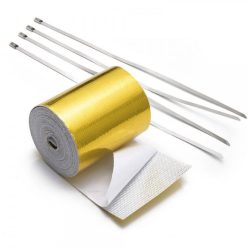


Net price: 14 €
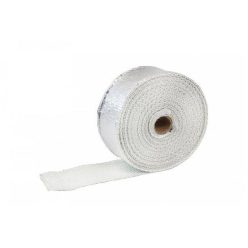
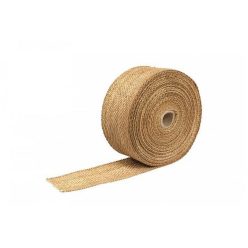
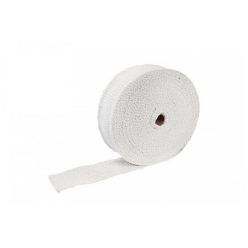
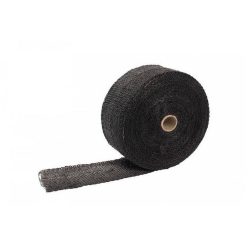
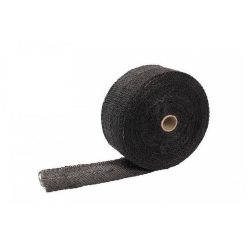
Exhaust Heat Wrap, Heat Tape and Foil for Managing Engine-Bay Heat
Heat-management wise this category covers the kinds of products builders often use for exhaust insulation, manifold wrapping and reflective shielding. The goal is not only to cover a hot part, but to organise how heat is handled around hot-side pipework and the nearby wiring, hoses or panels that may need protection.
Technical background and system integration
System role differs by product type: wrap and tape are usually intended for pipes, manifolds and hot-side turbo plumbing, while adhesive foil is better suited to flatter or gently curved surfaces such as a firewall, bonnet underside or another heat-exposed panel. That means the first decision is whether you want to treat the heat source itself or shield a nearby component from radiant heat.
Current range on this page includes DEI, EPMAN, Mishimoto and TurboWorks products, with both roll-based wrap options and adhesive foil sheets. The live assortment also shows 50.8 mm (2") style widths, lengths around 5 m, 10 m and 15 m, plus foil formats around 1 × 1 m and 1 × 1.2 m, so exact product-card dimensions matter.
- For pipes: wrap is the practical choice when you want to cover an exhaust pipe, manifold or other hot-side tubing directly.
- For panels: adhesive foil is usually the better option when the aim is to shield a panel or barrier from radiant heat.
- Sizing: choose width and total length from pipe outside diameter, total route length and the overlap you plan to use.
- Retention: many wrap products include stainless ties, while foil relies far more on its adhesive backing and the quality of the prepared surface.
How to choose the right one
Quick selection starts by deciding whether you are wrapping a pipe or shielding a surface. If the target is a manifold, hot-side pipe or exhaust section, a wrap-style product usually makes more sense; if the target is a heat-exposed panel, adhesive foil is often the cleaner route.
Check order before buying: measure pipe outside diameter or panel size, allow for overlap and edge allowance, then confirm whether the product is a textile wrap, an adhesive heat foil or a more specific tape solution. It also helps to check for nearby moving parts, sharp edges and strong airflow, because all of them affect long-term stability.
Product card is the safest guide in this category: if pipe length, overlap or panel area sits close to the limit, compare the detailed dimensions with the installation space before you choose the final roll length or foil size.
Installation and failure-prevention tips
Installation basics should include even tension and consistent overlap for wrap products, while foil should go onto a clean, dry and stable surface. Ends and edges need to be placed so the material cannot rub on sharp edges, drift into moving parts or lift in high-vibration zones.
Common mistake in this category is failing to measure the full route length or panel area in advance, or applying foil to a poorly prepared surface. That can lead to wrap movement, edge lift or an installation that becomes less stable after heat cycles; the risk is lower when you pre-measure carefully, apply the material evenly and recheck it after the first use.
Post-install check after the first heat cycle should confirm that the wrap still sits tight, the ties have not shifted and the foil edges remain well seated. This matters even more in compact engine bays where heat movement and vibration act together.
PRO TIP: If the real aim is protecting nearby wiring, hoses or trim, think about the distance between the heat source and the sensitive part first, then choose between wrap-on control at the pipe and reflective shielding at the panel.
FAQ
What is the difference between exhaust heat wrap and adhesive heat foil?
Wrap is typically used directly on pipes and manifolds, while adhesive foil is intended more for panels, barriers and other surfaces exposed to radiant heat. The right option depends on whether you want to treat the hot part itself or shield a nearby area.
How do I know what width and length I need?
Measure the pipe outside diameter and the full section you want to cover, then allow for overlap. For foil, measure the protected area and include enough extra material so edges do not end up in a vulnerable spot.
What is the most common failure or installation mistake?
Use a short checklist: remeasure the pipe or panel, verify total material length, inspect retention points, review exposed edges and confirm that the product cannot touch moving or abrasive parts. If any point looks uncertain, adjust the layout before final fixing.
Can I use the same product on a manifold and on a firewall?
Not always. A textile wrap for pipework and an adhesive foil for panel shielding are designed around different installation logic, so the product card should guide the final choice.
Should I inspect it after the first heat cycle?
Yes, it is a good habit. Early heat and vibration quickly show whether the ties stayed put, whether overlap remains consistent and whether foil edges still sit securely.
