
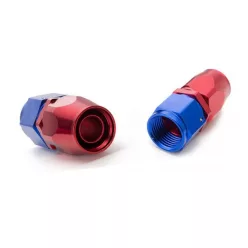
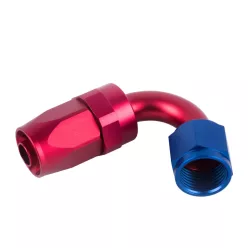
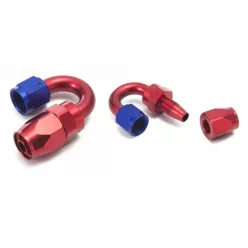
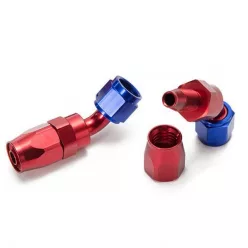
The AN-12 Hoses, Fittings & Hose Ends category focuses on AN-12 parts for large-diameter fuel and oil plumbing where stable sealing and flow matter. You will typically see bulkhead-style pass-through fittings, weld-on stubs, braided hose options and angled hose ends for cleaner routing. For the full range across sizes and adaptor types, browse AN Hoses, Fittings & Adapters. Use filters and sorting, then open each product page to confirm exact dimensions and compatibility. Choose the right AN-12 items and place your order.


Net price: 36 €
AN-12 Hoses, Fittings & Hose Ends – for large-diameter lines, stable sealing and service-friendly routing
AN-12 is a common choice when you need higher-flow fuel line or oil line sections and want a robust, serviceable connection. This category typically includes hose ends, bulkhead pass-throughs and weld-on stubs, so you can build a tidy route and still keep joints accessible for maintenance. “Dash 12” is a helpful size label, but final compatibility should always be confirmed by the product’s dimensions and sealing type.
Technical Basics
With AN/JIC 37° flare connections, sealing happens on the cone, so clean, undamaged seats are essential on AN-12 joints. If a part’s sealing method is not obvious, check the product page for the exact standard and thread details, because mixing 37° flare parts with 45° flare systems is a frequent source of leaks. Quick warning: do not apply sealant to flare sealing faces.
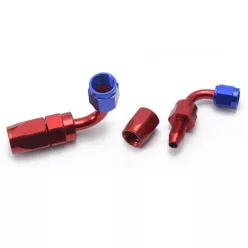
You may use a bulkhead fitting when you want a stable pass-through at a panel or tank wall, and weld-on male stubs (steel or aluminium) when you are fabricating a custom port. On the hose side, braided options can include rubber hose with a protective nylon outer sleeve to reduce abrasion. If the inner material differs (for example nitrile (NBR) vs PTFE), treat the manufacturer’s fluid compatibility notes as the deciding factor.
Design around real operating conditions: allowable pressure (bar) and temperature (°C) depend on the exact hose and fitting series. In fuel delivery, cleanliness is critical, so keep swarf out of the line and verify every joint before running the engine. Quick warning: even a small fuel seep is a safety issue—fix it immediately.
Selection Criteria
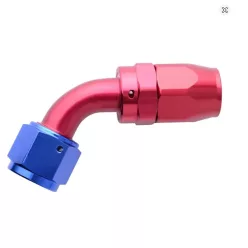
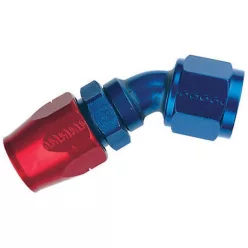
Start by defining what the AN-12 run is for: an oil cooler circuit, a higher-flow fuel section, or another large-bore route where restriction is undesirable. Hose end angle selection helps both packaging and longevity: a 45° or 90° fitting can reduce bend stress in tight bays, while a straight end works well on simple, accessible routes. Quick warning: do not rely on the hose to force alignment—choose the correct geometry instead.
If you shop by manufacturer codes, note that part numbers such as 236-4512 identify the geometry and series, but you still need to match the intended hose construction and assembly method. A braided hose end must suit the hose type, otherwise the joint can weep or the hose can be damaged during assembly. Quick warning: only pair hose ends with the hose type they are designed for.
Bulkhead choices are about mounting and access: a pass-through bulkhead can create a clean fixed point so each side of the line can be installed and serviced independently. For weld-on stubs, the material (steel vs aluminium) should match the component you are modifying and the welding process you will use. Quick warning: after welding, inspect the sealing faces and threads before any pressure test.
Installation & Maintenance
Keep assembly clean: when cutting braided rubber hose, minimise debris, then blow out and flush the hose before fitting. Protect the AN/JIC 37° cones from scratches, and tighten smoothly without overtightening, which can deform sealing surfaces. Quick warning: “tighten harder” rarely fixes a damaged seat—inspect and replace if needed.
After installation, do a staged pressure test and inspect every AN-12 joint, then re-check after the first heat cycle. Route lines away from sharp edges and high heat, and use clamps plus a nylon sleeve or heat protection where abrasion or radiant heat is likely. In maintenance, fuel smell, dampness, oil misting or loosening are all immediate inspection triggers.
For bulkheads and weld-ons, reliability depends on the quality of the hole, fit and weld, as well as post-weld cleaning. If a cone or thread is damaged, replacement is usually safer than trying to “torque past” the issue. Quick warning: on fuel systems, treat any leak as urgent.
FAQ
What is AN-12 typically used for?
AN-12 is commonly used for larger-bore fuel and oil lines where flow and serviceability are priorities. Suitability depends on system pressure, temperature and the hose construction. Always confirm the sealing standard and hose compatibility on the product page.
What does Dash 12 mean on AN fittings?
“Dash 12” is a size label associated with AN-12, but it does not replace the exact dimensional and compatibility checks. You still need to match the hose end to the hose type and confirm thread/sealing type. If standards do not match, do not force the connection.
When should I use an AN-12 bulkhead fitting?
A bulkhead is useful when you want a fixed pass-through point at a panel or tank wall in AN-12 size. It keeps routing tidy and makes each side easier to service. Check mounting thickness and sealing arrangement before installation.
Why can an AN/JIC 37° joint leak after assembly?
Common causes are contamination, mixed flare standards, or a scratched 37° cone/seat. Clean and inspect the sealing faces and confirm the joint actually seals on the cone. If the seat is damaged, replacing the fitting is often the most reliable fix.
Is braided rubber hose or PTFE hose better in AN-12?
Rubber hose and PTFE have different strengths in chemical resistance and temperature handling, so the best choice depends on your fluid and environment. Follow the manufacturer’s pressure/temperature ratings and fluid compatibility notes for the exact hose and fitting series. If heat exposure is high, plan dedicated heat shielding regardless of hose type.
Select the AN-12 parts that match your hose type and sealing standard, then place your order to complete the route.
