
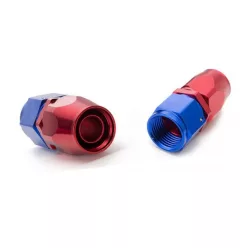
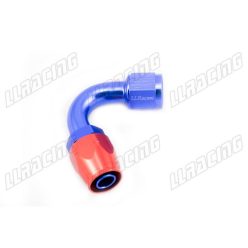
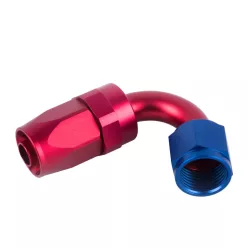
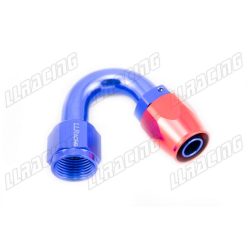
The AN10 Hoses, Fittings and Hose Ends category covers AN10 (Dash 10) components typically used in high-pressure oil and fuel plumbing. You will find angled hose ends (commonly 30°–180°), straight unions, bulkhead-style pass-through fittings, weld-on male stubs, plus braided rubber hose options including versions with an outer protective cover. Use filters (brand, stock, price) and sorting, then open each product page to confirm exact dimensions and compatibility. Pick the right AN10 parts and place your order.
Net price: 21 €
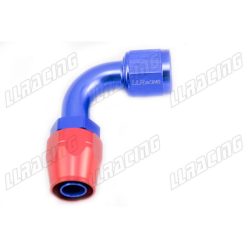
Net price: 16 €
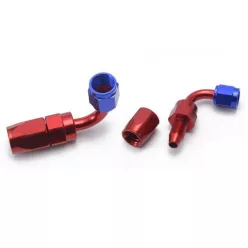
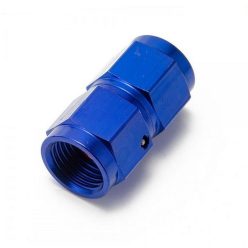
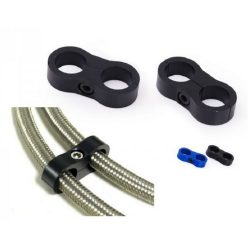
Net price: 3 €
AN10 Hoses, Fittings and Hose Ends – Dash 10 parts for oil/fuel routing, tidy layouts and service-friendly joints
This category helps you build an AN10 (Dash 10) line when you want reliable routing for a lubrication system or a fuel feed/return. Typical items include angled hose ends, straight joiners, bulkhead pass-throughs, weld-on stubs and line-clamping accessories for cleaner installation. You will get the best results by keeping one sealing standard throughout the system and verifying every connection against the product data.
Technical Basics
AN/JIC 37° connections seal on the cone, so the condition of the sealing faces is critical on AN-10 parts. “Dash 10” indicates the same size class, but the exact fit still depends on the hose type the hose end is designed for. Quick warning: mixing 37° flare components with 45° flare parts is a common cause of leaks.
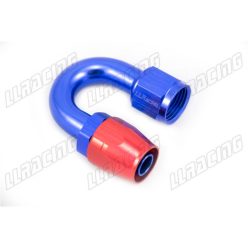
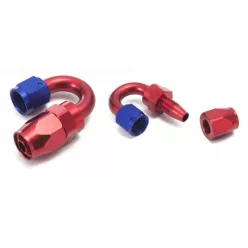
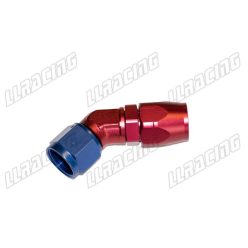
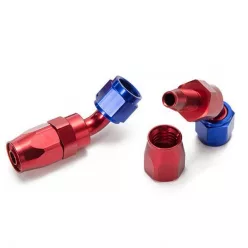
You will see multiple geometries such as 90°, 120°, 150° and 180°, plus straight unions and bulkhead-style fittings for clean pass-through mounting. For fabrication work, weld-on aluminium male stubs are useful when modifying a tank, hardline section or custom manifold. Hose options can include braided high-pressure rubber hose, sometimes with an outer nylon protective sleeve to reduce abrasion.
On threads, 7/8"-14 UNF is common for AN10-style fittings, but variations can exist on special adaptors or transitions. Do not use sealant on flare sealing faces; only use thread sealant where the fitting type explicitly requires it (for example on NPT tapered threads). Quick warning: sealant or dirt on the cone can prevent proper seating and damage the surfaces during tightening.
Selection Criteria
Start with sizing and purpose: define whether the line is for oil cooling, turbo oil return, fuel supply or a vent/air line, then select AN-10 parts with the correct geometry. Angled fittings can improve clearance and reduce hose stress, especially in tight engine bays. Quick warning: never rely on the hose to “force” the route into place; choose the right angle and mounting points instead.
Hose material choice matters: a synthetic nitrile inner with stainless steel braid behaves differently from a PTFE (Teflon) inner hose if your build uses that type elsewhere. Consider the working fluid, temperature exposure and abrasion risk; an outer protective cover helps against chafing but does not replace heat shielding near exhaust components. When in doubt, follow the manufacturer’s specification for fluid compatibility.
For a tidy install, use line separators / clamps (for example around 20 mm markings) to keep parallel runs stable and reduce vibration wear. If your system mixes sizes (e.g., AN8 branches into AN10), verify the exact thread and sealing method on every transition, not just the “Dash” label. Quick warning: forcing mismatched standards can strip threads and ruin the sealing seat.
Installation & Maintenance
During assembly, keep everything clean and protect the sealing cone; this matters on AN-10 joints where the metal-to-metal interface must seat properly. If a fitting uses a swivel nut, it can help alignment and reduce the chance of twisting the hose during final positioning. Quick warning: overtightening can deform the seat and create persistent weeping.
Before road or track use, do a staged pressure test and inspect every joint, then re-check after the first heat cycle. Route the line away from sharp edges and high heat, add clamps where movement could cause chafing, and use heat protection where necessary. For maintenance, any fuel smell, dampness, oil misting or loosening should be treated as an immediate inspection point.
If you use a weld-on stub or bulkhead fitting, the accuracy of the hole, fit and weld quality directly affects reliability. If threads or sealing faces are damaged, replacement is usually safer than trying to “tighten past” the problem. Quick warning: on fuel systems, even small leaks are a safety risk—use only verified components and proper procedures.
FAQ
What is AN10 (Dash 10) typically used for?
AN10 is often used for higher-flow lines such as oil lines and some fuel feed/return setups, depending on the build. The correct application depends on pressure, temperature and the hose type used. Always confirm the hose end’s intended hose construction on the product page.
Which hose end angle should I choose (45°, 90°, 180°)?
The right angle depends on space and how the hose needs to exit the port; a 90° fitting can reduce bend stress, while a 180° can reverse direction cleanly. The goal is a route without twist and without tight kinks near the hose end. If the hose would be forced, change the fitting angle or add a better mounting point.
Is the thread always 7/8"-14 UNF on AN10 fittings?
7/8"-14 UNF is common for AN10-style parts, but special adaptors and transitions can differ. Verify the thread call-out and sealing method in the product specifications. Do not attempt to mate parts that are not the same standard.
Why can a new AN10 joint leak after installation?
Common causes include scratched cones, contamination, mixed flare standards (37° vs 45°), or incorrect tightening. Check that the sealing faces are clean and undamaged and that the cone actually seats. Re-check after a heat cycle and fix the root cause rather than simply tightening harder.
Rubber braided hose vs PTFE hose in AN10: which is better?
Rubber and PTFE hoses have different strengths in chemical resistance, temperature handling and flexibility. Choose based on the fluid, heat exposure and the manufacturer’s ratings for the exact hose and fitting set. If heat is high, plan separate heat shielding regardless of hose type.
Select the right AN10 hose and fittings for your route, then place your order to complete a clean, leak-free installation.
