
An exhaust hanger (exhaust mount) provides flexible support for the exhaust system so pipes, silencers and intermediate sections do not pass vibration into the body as a rigid load path. This category includes rubber hangers, firmer bushing-style mounts, vehicle-specific parts and stainless hanger rod material for custom fabrication.
The right choice depends on hole spacing, hole diameter, material stiffness and whether you need a universal or model-specific part. As a preventive step, make sure the mount is not preloaded and that the exhaust sits centrally in the hanger path even when the system is cold.
Verify exact dimensions and specifications on the product card; in-stock items dispatch fast within the EU. Use filters by brand, availability and style, then confirm the product card for hole spacing, hole size and the exact shape of the part.

Net price: 2 €

Net price: 2 €

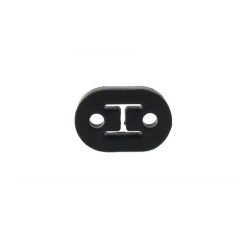
Net price: 2 €
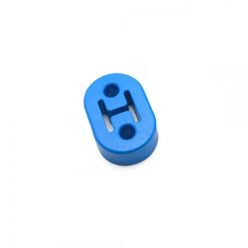
Net price: 2 €
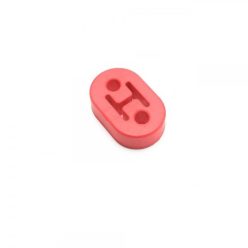
Net price: 2 €
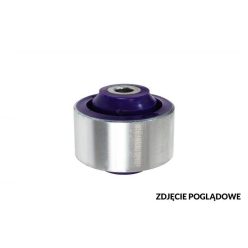
Net price: 15 €
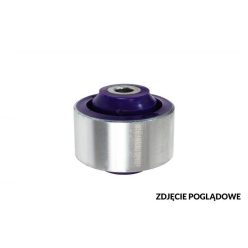
Net price: 6 €
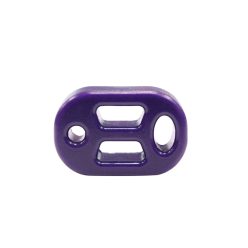
Net price: 9 €
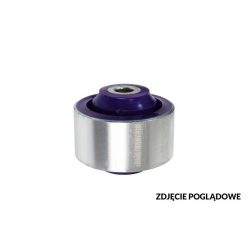
Net price: 15 €
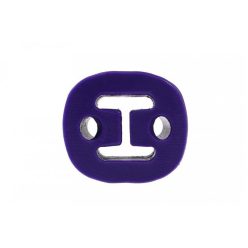
Net price: 14 €
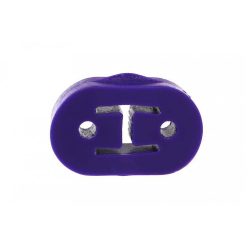
Net price: 12 €
Exhaust Hangers and Mounts - Vibration Control and Stable Exhaust Support
Overview: this category covers the flexible support parts of an exhaust system, in other words the components builders often search as exhaust mounts, hangers or rubber support bushes. Chosen well, they can help reduce vibration transfer into the shell, manage movement caused by heat expansion and keep the exhaust sitting in a controlled position without forcing the pipework or silencer to load the brackets rigidly.
Technical background and system integration
Role: an exhaust hanger is not only a support part; it also influences how the system moves in service. Material compliance, hole placement and the overall weight distribution of the exhaust all affect how much vibration reaches the chassis and how stable the installed position remains.
Material logic: a traditional rubber hanger can give a softer isolation character for road use, while a firmer polyurethane-style mount may allow less movement on heavier systems or more focused performance builds. The right option depends on pipe mass, rear silencer size, engine movement and the NVH behaviour you want from the car.
- Universal: hanger rubbers selected by size and shape, including options around 39, 40, 57 or 75 mm hole spacing.
- Hole size: details such as an 11.5 mm hole can determine whether the part fits the existing peg or hanger rod correctly.
- Vehicle-specific: some parts are designed for particular makes or models where OE-style shape and packaging are the main concerns.
- Fabrication: stainless hanger rod and related hardware can be useful when building a custom support layout from scratch.
How to choose the right one
Quick selection guide: first decide whether you are replacing a factory-style hanger in an existing location or choosing supports for a fully custom exhaust. On OE-style repairs, part shape and model-specific layout matter most; on custom builds, hole spacing, hole diameter and material character are the better starting points.
Dimension check: do not look only at the overall length of the hanger; measure the centre-to-centre distance between the holes, the hole diameters and the space available around the silencer, pipe and body. A small change around 39 or 40 mm spacing can still alter the installed exhaust position noticeably.
Material choice: if the goal is road use, lower transmitted resonance and a more civilised sound impression, a more compliant rubber hanger often suits the build better. For a heavier system, larger rear box or tighter exhaust positioning, a firmer mount may be more appropriate, but it should always be judged as part of the whole system movement.
If you do not have a ready vehicle-specific reference, the safest starting point is to measure the old part and compare its hole spacing, hole size and shape with the product card before ordering.
Installation and failure-prevention tips
Trial fit: before final installation, hang the full system on every support point and check whether the exhaust sits in its natural position. The layout is usually healthier when the hanger is not twisted, not side-loaded and not holding the pipe at the limit of its travel.
Common issue: if the exhaust knocks, sits crooked or sends an obvious resonance into the cabin at certain rpm, the cause is often not material failure of the hanger itself but incorrect hole spacing, preload during installation or one support point carrying more load than the others. The best prevention is trial hanging, checking the pipe in its free position and distributing the weight across the full support layout.
System load: with a longer centre section, larger rear silencer or sport exhaust, always judge the weight of the whole system rather than one mount in isolation. A mount that is too stiff or too short may hold the exhaust up, yet still affect movement and noise transfer in an unhelpful way.
Clearance: make sure there is enough room around the hanger for heat shields, bumper parts, axle movement and body clearance, because the exhaust can follow a different path when hot than when first aligned cold.
PRO TIP: On a custom exhaust, several moderately loaded support points often work better than one heavily stressed hanger carrying too much of the system mass.
Frequently asked questions
What is the most common failure or installation mistake?
First check whether the exhaust runs centrally through every support point with the system cold, then inspect whether the hanger holes are twisted or side-loaded. After that, compare the old and new part for hole spacing, hole size and thickness, because a small geometric difference can shift the whole system.
What is the difference between a rubber hanger and a firmer bushing-style mount?
A rubber hanger usually offers softer isolation, which can be useful for everyday road use and vibration comfort. A firmer material can reduce movement, which may suit certain performance builds or heavier exhaust layouts.
Is hole spacing alone enough to choose the right part?
Not really, because hole diameter, part thickness, overall shape and material behaviour matter as well. Two hangers with a similar length may still behave differently if the geometry or stiffness is different.
When should I choose a vehicle-specific exhaust hanger?
Choose that route when you want to match a factory mounting point and the shape, peg locations or packaging do not follow a simple universal pattern. In those cases a model-specific part may need less adaptation during fitting.
Why is stainless hanger rod useful in custom fabrication?
It allows you to create support points in the right position and angle for your own exhaust layout. Even then, the final design still needs to be matched to the hanger size, pipe path and silencer mass.
