
The exhaust assembly pastes and heat-resistant materials category groups exhaust assembly pastes and heat-resistant materials (exhaust repair compounds) used around exhaust joints, small repairs and hot-side fitting where joint support and heat-aware installation both matter.
This is the right page when you are not choosing a full hardware part, but a support material for sealing, local repair or heat-related fitting work around the exhaust line. Verify exact dimensions and specifications on the product card; in-stock items dispatch fast within the EU.
Choose by sealing or shielding first, because one material supports the joint while another manages heat around nearby parts; the risk of blow-by or early breakdown is reduced by clean fitment and a calm trial assembly before final fixing. Use the filters, then open the product card for the exact application details.
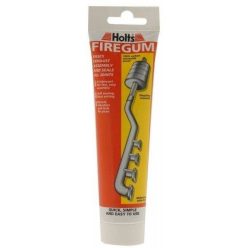
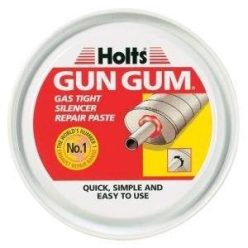
Exhaust Assembly Pastes and Heat-Resistant Materials – Sealing and Heat-Handling Helpers for Exhaust Work
This range covers the exhaust-fitting support materials used around joints, local repair areas and heat-exposed sections, meaning the pastes, repair compounds and adjacent heat-focused items that help organise fitment and surrounding component protection more cleanly.
Technical background and system integration
The system role here differs from hard parts: an assembly paste does not create the pipe route itself, but supports a cleaner joint area, while heat-resistant materials are more about managing the installation environment around hot sections and nearby parts.
Surface condition matters a great deal, because rusty, loose, distorted or badly centred joints are not corrected simply by adding paste. The cleaner result usually starts with the mating parts, not with the compound.
Thermal movement also needs space around the exhaust. If a joint is assembled under preload or the pipe is being pulled sideways by the support layout, the paste or repaired section can end up carrying stress it was never meant to absorb on its own.
How to choose the right one
The Quick selection guide for this type of page starts with the real job, not the product name.
- Assembly paste: relevant when the focus is the joint area and you want a tidier exhaust fit during assembly.
- Repair paste: a better route when you are dealing with a smaller local repair rather than replacing a full pipe section.
- Heat-resistant material: more suitable when the real problem is radiant heat around the exhaust rather than the joint itself.
- Product card: always confirm whether the item is meant for sealing, local repair or heat-shielding support.
A useful choice split is whether you are treating the joint or the surrounding heat, so if your next step is wrap, tape or foil rather than a paste, go to Exhaust Heat Wrap, Heat Tape and Foil.
Installation and failure-prevention tips
Trial fitment matters here as well: dry-check the pipe ends, flanges or repair surface first, then apply the chosen material only after the parts sit together properly. That helps the compound work as a support aid rather than as a substitute for poor alignment.
Typical failure: the paste or repair material is applied to a joint that is loose, corroded or pulled out of line, so after the first heat cycles you may see blow-by marks, powdering or cracking; this is often prevented by cleaner preparation, better centring of the joint and a more settled mechanical fixing order.
A more complete installation setup often includes the right retention parts for wraps and heat layers as well, so a relevant next step is Heat Protection Fasteners and Mounting Accessories.
PRO TIP: If the same exhaust section uses both a sealing compound and a heat-control material, set the mechanical fit and pipe position first, then finish the job with the support materials afterwards.
FAQ
When should I choose assembly paste and when do I need a heat-resistant material?
Assembly paste is the better route when the main task is around the joint or connection area, while a heat-resistant material is more about managing heat near the exhaust. One supports fitment at the connection, the other helps address heat around nearby parts.
What is the difference between assembly paste and exhaust heat wrap?
Assembly paste is not a wrap or external covering; it works around the joint or a local repair area. Exhaust heat wrap sits on the outside of the pipe and deals with hot-side heat management in a very different way.
What is the most common failure or installation mistake?
Check whether the joint is centred, whether the surfaces are loose or distorted, whether there is room for thermal movement and whether the fixing layout is pulling the pipe sideways. If any of those points is uncertain, it is worth revisiting the assembly before leaving it permanently fixed.
Is paste alone enough if the joint does not fit properly?
Usually that is not the best approach. Paste can support a properly aligned joint, but it is not a smart substitute for badly fitting, ovalised or stressed mating parts.
What should I inspect after the first heat cycle?
Look for blow-by traces around the joint, any shift in pipe position or clamp angle, and changes in sound, vibration or local clearance. Early inspection often reveals poor fitment order more quickly than waiting for a later strip-down.
Filter by the type of task first, confirm the exact application on the product card, and then use the right support material to build a cleaner and more controlled exhaust installation.
