
Heat protection fasteners (heat wrap fasteners) are the parts used to secure wraps, protective sleeves and related thermal layers, including stainless fixing ties, ball-lock ties and fitting tools. They help keep the installation stable, the routing tidier and the finished engine-bay layout more organised.
Choose by width, length, lock design and installation space together, because a size that works on a short wrap end may not suit a thicker or harder-to-reach section. Verify exact dimensions and specifications on the product card; in-stock items dispatch fast within the EU.
The right tie length and a clean lock position help prevent rotation and reduce the chance of the trimmed end interfering with nearby parts.

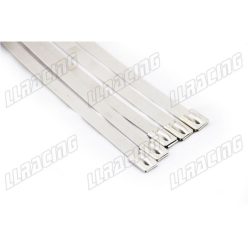
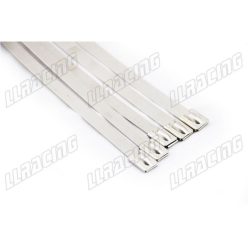
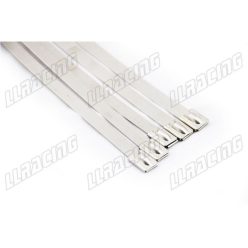
Net price: 0 €
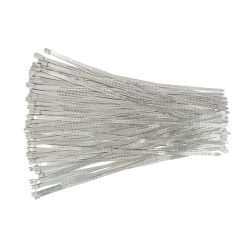


Heat Protection Fasteners and Mounting Accessories – Clean Retention and Accurate Size Selection
Fastening and fitting parts for thermal materials are not standalone add-ons, but supporting components within the whole wrap system, so the right selection can promote more even retention, cleaner edge finishing and tidier installation work around hot areas.
Technical background and system integration
Retention role: these products help keep heat wrap, protective sleeve or local shielding in position so the material stays where it should during installation and use. Correct fastening matters both at the edges and along longer supported sections.
Locking character: a standard metal fixing tie and a ball-lock style can feel different during installation, so selection should consider not only size but also access and the level of tightening control you want. A cramped position can favour a different layout than an easily reached straight section.
System fitment: the tie, fitting tool and wrapped component need to work together for a clean result. Real circumference, material build-up and nearby hardware all influence which length and width will be easiest to install properly.
- Width: a narrower option is often easier on smaller diameters and tighter spaces, while a wider tie can sit better on a larger wrapped circumference.
- Length: choose enough reach to close the loop cleanly without leaving excessive unused tail after locking.
- Lock point: the position of the closure matters just as much as the tie type, because a badly placed lock is harder to inspect later.
- Tooling: where you want repeated consistency or more controlled pull during fitting, a dedicated installation tool can make the job cleaner.
How to choose the right one
Quick selection guide: use the filters by price, brand and availability, then open the product card and confirm the exact size, such as 5 mm, 8 mm or 12 mm width, along with total length and lock design. In this category, product name alone is rarely enough for a confident decision.
Use-case logic: closing a short wrap end, securing a longer section or fastening a thicker layered build can each need a different size. Final choice should follow the real circumference, available access and the dimensions shown on the product card.
In this category, the best guide is the exact sizing data on the product card combined with the real installation space, so it is better not to choose by photo or naming alone.
Installation and failure-prevention tips
Clean preparation: position the wrap or protective layer exactly where it needs to sit before locking the tie, and decide in advance where the closure should end up. The fastening side should stay accessible, the path should remain straight, and the trimmed end should not point towards sensitive nearby parts.
Typical issue: if the fastening quickly loosens, rotates or the wrap edge starts to lift, the cause is often not the tie itself but incorrect length choice, a skewed installation path or a poorly placed lock point; accurate sizing, straight pull-up and deliberate closure placement are the best prevention steps.
Post-check: after the first heat cycles, inspect whether the tie has stayed in place, whether any rotation has appeared and whether the trimmed tail can touch surrounding components. Where several fasteners work together, even spacing often helps the finished result stay neater.
PRO TIP: confirm the real covered circumference and the available access first, then compare ties or tools, because correct size fitment matters more than similar product naming.
FAQ
What is the most common installation mistake with heat protection fasteners?
First check whether the chosen width and length really match the wrapped section. Then inspect the closure position, the straightness of the tie path and whether the trimmed end can interfere with nearby parts. Finally, if several fixing points are used together, confirm that the spacing stays even.
What is the difference between a metal fixing tie and a ball-lock tie?
Their locking feel and installation behaviour can differ, which can matter in tight access or over a longer section. The better choice usually comes from access, desired tightening control and the product-card details rather than the name alone.
When is a dedicated fitting tool worth using?
If you want more repeatable tightening across several fixing points, or you are fitting multiple ties in workshop conditions, a dedicated tool can help. It is especially useful where access is limited or where a cleaner, more controlled finish matters.
What should I inspect after the first heat cycle?
Check that the fixing point has not moved, the wrap edge has not opened up and the trimmed end has not shifted too close to other parts. Then inspect the full run to confirm that retention remains even along the section.
How can I tell that the selected product is probably not ideal?
Warning signs include a tie that closes too short, leaves excessive unused tail, sits at an angle or places the lock where access is poor. In those cases, let the exact dimensions and the real installation space decide.
