
A universal direct air filter (pod filter) replaces the stock airbox or becomes part of a custom intake layout while filtering incoming air to suit tube size and available space. This range includes open filters, mushroom, cone and cylindrical sausage-style bodies with different neck sizes for road, trackday and modified builds.
Choose by intake tube OD, overall filter height and the clearance around the mounting point, because an oversized body or loose neck can upset support and pull hotter under-bonnet air. Use the size and brand filters, then open the product card to confirm the exact fitment details.
Verify exact dimensions and specifications on the product card; in-stock items dispatch fast within the EU.
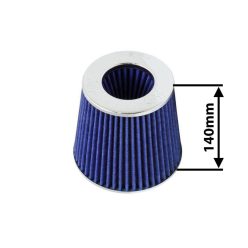

Net price: 12 €

Net price: 164 €
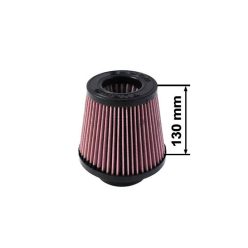




Universal Pod Air Filters for Intake Fitment and Packaging Stability
Intake-side choice: A universal performance air filter (open pod filter) works best on a road, trackday or modified car when neck size, body shape and nearby clearance are matched as one package. This category is not limited to classic cone designs; it also includes mushroom and cylindrical sausage-style bodies, so real installation space matters just as much as the nominal connection size.
Technical background and intake packaging
Filtration role: A direct air filter cleans incoming air while connecting straight to the intake tube or a fabricated intake section. Because it sits openly in the engine bay, the result depends not only on fitment but also on where the filter draws air from and how stable the surrounding pipework remains during load changes.
Body shape: Cone, mushroom and cylindrical layouts can behave differently in a tight bay. In some builds a shorter, wider body packages more easily, while in others a slimmer, longer filter clears the headlamp housing, fan shroud or hot-side hardware with less compromise.
Media type: Within this category you may find dry designs, foam-style layouts and, on some models, replaceable filter elements. AEM, AEM Induction, HKS, ITG, K&N, SIMOTA and TURBOWORKS products can differ in service routine, flange design and the amount of space they need around the mounting point.
- Neck size: Match the filter neck ID to the intake tube OD; 80 mm and 100 mm examples appear in the range, but the product card should always be the final check.
- Height: Overall length is only one part of fitment; body diameter and end shape can matter just as much when space is limited.
- Flange: A clean, stable tube end with sensible support behind the clamp helps the filter stay seated under vibration and engine movement.
How to choose the right one
Quick selection: Start with the intake tube OD, then measure the available height and side clearance around the mounting area. On MAF-based systems, keep an eye on how the sensor section sits relative to the filter so the surrounding pipe layout stays tidy and repeatable.
Shape and space: On the product card, compare more than the neck size: check body shape, end diameter and total length as well. A shorter but wider mushroom-style filter can still foul nearby parts just as easily as a longer cylindrical sausage-style option.
Use case: On a road car, easier packaging and a cleaner engine-bay layout often matter most, while on a trackday or heavily modified build the priority shifts towards support, airflow path and heat shielding. If the car sees dusty or wet conditions regularly, include service routine in the buying decision.
If the full intake pipe layout may still change, it is usually smarter to finalise the tube end and available space first, then choose the filter body that actually suits the finished package.
Installation and failure-prevention tips
Mounting: Fit the filter to a clean, burr-free tube end and tighten the clamp so the neck seats evenly all the way around. If the filter body is relatively large or long for the pipe, an extra support point can reduce the load carried by the clamp and tube alone.
Heat management: Open filters respond strongly to their environment. Turbo-side heat, radiator wake, a confined corner behind the headlamp or poor shielding can all affect how stable the intake arrangement feels in real use, so placement and shielding deserve as much attention as the filter brand.
Failure mode: The most common problem is not the filter media itself but a neck mismatch or a poorly supported installation; then the filter can creep on the tube, touch nearby bodywork and develop rub marks around the neck or body under vibration. Accurate sizing, a tidy tube end and extra support where needed are the practical ways to prevent that.
Service: Clean and inspect the filter according to its material type rather than using one routine for every design. Before refitting, check the neck for damage, confirm the clamp still sits squarely and make sure the filter has not started contacting surrounding parts.
PRO TIP: In a cramped bay, do not choose by neck size alone; a slightly smaller filter that can be shielded properly and mounted more securely is often the smarter real-world option than a larger body sitting close to heat or bodywork.
FAQ
Can a pod air filter replace the stock airbox?
Yes, but only when the connection, packaging space and air source are considered together. An open filter on its own is not the same as a well-routed intake layout with sensible shielding and stable support.
Should I choose a cone, mushroom or cylindrical shape?
Start with the space available around the tube end and the path of the intake pipework. The right choice is usually the shape that fits cleanly, can be supported properly and still draws air from a less heat-soaked area.
What is the most common failure or installation mistake?
Check the intake tube OD, the filter neck size, clamp position, clearance for engine movement and whether the filter can touch body panels, the lamp housing or the fan shroud. On MAF-based systems, also inspect whether the sensor area is clean and whether the filter position disturbs the pipe section before or after the sensor.
What should I inspect before first start-up?
Make sure the clamp sits evenly, the filter is not twisted on the neck and there is enough clearance in every direction. After a short run, inspect it again, especially on engines that move noticeably during load changes.
Do I need a heat shield around an open filter?
In many builds, yes, especially when the filter sits close to hot engine-bay areas. A heat shield does not replace good placement, but it can help the filter draw from a less heat-soaked environment.
Is neck size enough to order the right filter?
No. Overall length, body diameter, end shape and clearance to nearby parts all decide whether the chosen filter will actually fit the car.
