
Universal fans (electric cooling fans) are add-on radiator fans used where space, airflow direction or custom packaging calls for a non-vehicle-specific solution. The range includes pusher and puller layouts, several diameters and matching mounting options for different cooling setups.
Choose by blade diameter, installed depth, airflow direction and bracket strategy rather than by outer frame alone. Verify exact dimensions and specifications on the product card; in-stock items dispatch fast within the EU.
Before ordering, check the space in front of or behind the radiator, the cable route and whether you need a mounting kit or a separate bracket. Use filters by size and brand, then open the product page to confirm fitment.

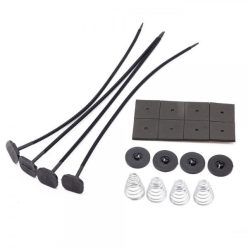
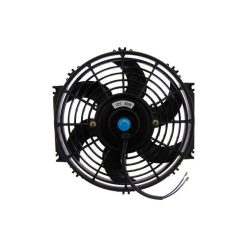
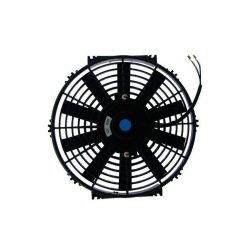

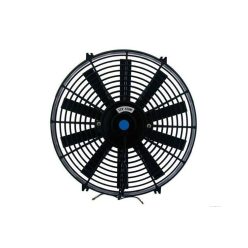


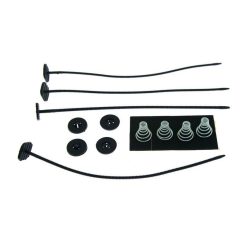

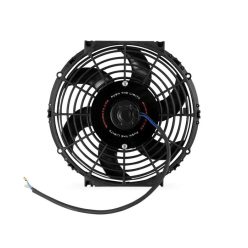
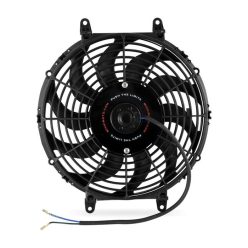
Universal Cooling Fans for Flexible Cooling-System Packaging
These universal radiator fans are often grouped by builders as electric cooling fans, and they are mainly used when the factory layout no longer suits a custom setup or a tighter engine bay. They can support airflow across the core, help manage heat soak and give more freedom for custom packaging in road, track-day or motorsport builds.
Technical background and system integration
One of the first decisions is the airflow direction. A pusher fan is typically mounted in front of the radiator, while a puller fan normally sits behind it, but the correct choice depends on the actual space, nearby brackets, hose routing and how the rest of the cooling package is arranged.
Do not judge fitment by diameter alone. Frame shape, motor depth and blade position can all affect clearance around coolant hoses, intercooler pipework, slam panel structures or the engine itself. That matters even more when you are trying to improve heat management in low-speed running, pit-lane use or stop-start traffic.
Universal fans may also be considered around oil coolers, power-steering coolers or other auxiliary heat exchangers where extra airflow could be useful. In those situations, auxiliary coolers need the same careful clearance check as the radiator, because nearby fittings, lines and bodywork can quickly limit where the fan can sit.
- Diameter: match it to the usable core area, not only to the nominal size of the old fan.
- Depth: measure clearance on both sides of the core before choosing.
- Direction: confirm early whether the installation needs pusher or puller layout.
- Mounting: decide whether you will use factory points, a bracket or a mounting kit.
How to choose the right one
Quick selection guide: if you have not narrowed it down yet, start with the wider Engine Fans range, then use this list to filter by diameter, brand and availability. Because this is a product-list page, the final decision normally comes from checking the exact size, layout and included hardware on the product card.
For a confident choice, measure the space claim both in front of and behind the radiator. Leave room not only for the fan frame, but also for wiring, hose movement, engine movement and the small amount of vibration that can appear once the assembly is in service.
The product card is the key reference point for exact diameter in inch or mm, the fan layout, included parts and whether a mounting kit is supplied. A careful fitment check compares the whole frame and motor package with your car, not just the nominal fan size in the product name.
Installation and failure-prevention tips
Carry out a trial fit before final mounting. Check thread condition, bracket alignment, cable paths and surrounding clearance first, then tighten the hardware using the procedure supplied for the specific product. If the space is especially tight, review the whole assembly together with the rest of the Cooling System so thermal movement and engine movement are still accounted for.
Common failure: the nominal fan size looks right, but the real installation ends up with the wrong airflow direction or poor clearance around the frame and motor body. Typical symptoms are higher temperatures at low speed, vibration or contact risk near hoses, clips or surrounding trim. You can reduce that risk by re-measuring, checking airflow direction before wiring everything permanently and validating the full assembly during a trial fit.
Keep wiring layout tidy, protected from heat and sharp edges, and plan the power side with suitable relay, fuse and grounding strategy for the specific fan. Product specifications can vary, so final electrical decisions should always be based on the exact product card and the vehicle’s own wiring architecture.
PRO TIP: In a tight engine bay, make a simple cardboard template for the fan’s full outer diameter and depth before ordering; it is one of the quickest ways to spot clashes with pipes, brackets or bodywork.
FAQ
Should I choose a pusher or a puller fan?
That depends on whether you have usable space in front of or behind the radiator and which way you need the air to move through the core. Check the product card carefully, because not every fan is designed to swap roles in the same way.
What size fan do I need?
You need more than the visible core width and height; frame size and installed depth matter as well. The safest route is to measure the usable area and surrounding obstructions together, then compare those numbers with the product-card dimensions.
What is the most common failure or installation mistake?
Use a short inspection checklist: confirm the listed airflow direction, re-measure total installed depth, inspect bracket alignment and then review relay, fuse and grounding quality. After that, watch the assembly with the engine running to see whether movement or vibration brings the fan too close to nearby parts.
Can a universal fan also be used with an oil cooler or another auxiliary cooler?
In some layouts, yes, but the available space and nearby fittings can make packaging more complex than around a main radiator. It is worth checking not only whether the fan fits, but also whether the airflow will actually pass through the intended cooler face.
What should I check if coolant temperature rises in traffic or at idle?
Look at when the fan switches on, whether anything is blocking the core, whether wiring and power delivery are stable and whether the fan is working in the intended direction. Then inspect the radiator, thermostat, cap and the wider cooling circuit as well, because the fan may be only one part of the cause.
