
Silicone vacuum hose (szilikon vákuumcső) and vacuum caps help you route clean, stable reference signals for gauges and control devices, with tidy under-bonnet layout. The key is matching inner diameter to the port and planning the routing to avoid kinks.
Use filters to narrow by size, then open each product card to confirm wall, material notes and the suggested retention method so the line stays secure under vibration.
Verify exact dimensions and specifications on the product card; in-stock items dispatch fast within the EU.

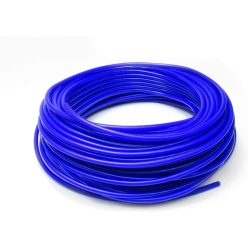
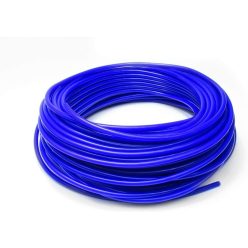
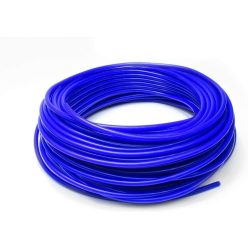


Silicone Vacuum Hoses & Vacuum Caps: Stable Reference Signal, Clean Routing
These silicone lines used for vacuum routing (silicone vacuum hose) and matching vacuum caps are chosen to keep the signal path short, sealed and consistent depending on the variant. A good setup avoids tight bends, leaves a little slack for engine movement, and caps unused ports reliably to prevent unmetered air.
Technical basics
A vacuum hose carries a reference signal to components such as a boost gauge, actuator control, diverter valve, or a fuel pressure regulator. Vacuum caps are for blanking off ports on manifolds or solenoids when an outlet is not used, helping prevent leaks and idle issues.
Wall thickness and stiffness vary by product; in cramped bays a very soft line can kink, while an over-tight route can pull on barbs and fittings. If your application may see oil mist or fuel vapour, only pick a hose material explicitly recommended for that media on the product card.
Quick selection guide
Start by measuring the port’s outside diameter and choose a matching hose inner diameter (common inch sizes may also be shown, with mm as a useful cross-check). Then map the routing: shortest practical path, smooth bends, and distance from heat sources.
- Hose: inner diameter + wall thickness + bend radius suitability.
- Caps: port size + cap profile, plus retention method if vibration is expected.
- Signal quality: minimise unnecessary length and avoid extra T-joins unless the setup requires them.
If you’re building a broader silicone setup beyond vacuum lines, browse the main silicone hoses and accessories category and use filters to compare options by size and use-case.
Installation and checks
Cut the hose square, deburr the edge, and dry-fit to ensure it seats fully on the barb without twisting. Before final assembly, degrease using a manufacturer-recommended cleaner, then allow to dry completely before applying load/boost, so the hose does not creep off the port.
Secure gently with an appropriate small clamp or tie where needed, but avoid over-tightening that can damage the hose or deform the barb. After a heat cycle, re-check routing points for rubbing and confirm the cap/hose hasn’t migrated.
Common failure is an incorrect inner diameter or a kinked section in a tight bend, which can create a small leak and an unstable reference signal. Another frequent issue is unsuitable retention (too loose or too aggressive), leading to slip-off or material damage over time.
PRO TIP: After two warm-up/cool-down cycles, inspect every bend and contact point; any shiny rub mark is a cue to reroute or add a protective sleeve.
FAQ
What size silicone vacuum hose do I need?
Match the hose inner diameter to the port’s outside diameter for a snug push-fit without forcing it. Use a caliper if possible, and confirm exact dimensions on the product card before ordering.
Why do I hear a hiss or see an unstable reference signal?
Check that the hose is fully seated, the cut is square, and there’s no kink at a bend. Verify the clamp/tie is evenly snug and the line isn’t being pulled by engine movement; if available, use a proper smoke test or pressure test to pinpoint leaks.
Silicone vacuum hose vs rubber vacuum hose: which is better?
Silicone can be a strong choice for tidy routing and consistent flexibility depending on the variant, especially near heat. Rubber may suit certain applications, but always decide based on the specific media and compatibility notes on the product card.
Can I use it as a boost reference line?
Yes, provided the sizing and routing are correct and the line stays free of kinks. Keep it as short as practical, avoid unnecessary joins, and re-check after a heat cycle.
Do vacuum caps need a clamp?
Sometimes: it depends on cap size, port shape and vibration. If the product notes suggest retention, use a small clamp with gentle tension and re-check after initial running.
