
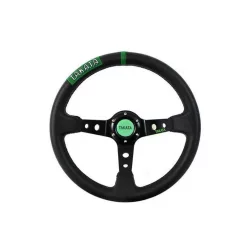
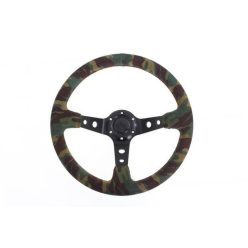
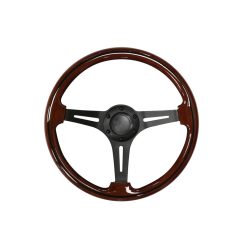
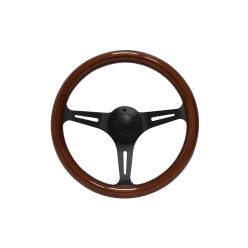
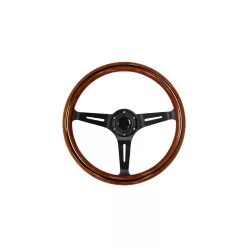
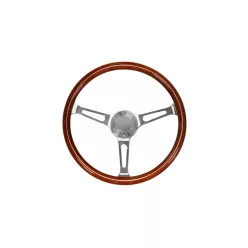
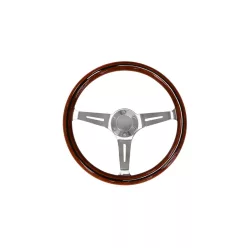
PRO steering wheels for road and track: 320–350 mm diameters, flat and deep-dish options in leather or Alcantara. Classic three-spoke and drift/rally designs with the standard 6×70 mm bolt pattern for broad hub/quick-release compatibility. Pick the diameter and dish that match your driving position for confident control and a comfortable grip.

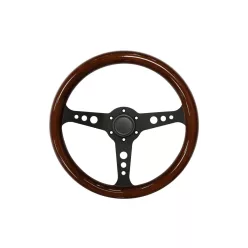
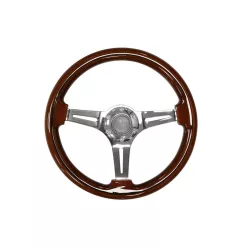
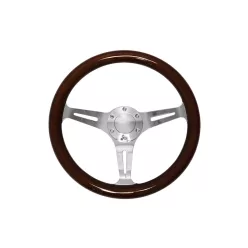
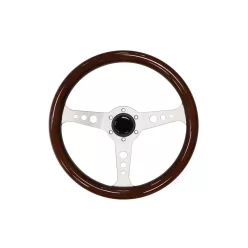
Brief summary + key benefits
PRO steering wheels deliver balanced value and sporty ergonomics. Rigid aluminium frames, contoured rims and quality leather/Alcantara wraps provide confident feel. Sizes typically span 320–350 mm with flat and deep-dish options, and the common 6×70 mm pattern eases hub/quick-release selection.
Technical Basics
Diameter: 320–350 mm. Smaller feels quicker and more direct; larger gives smoother, longer inputs for touring comfort.
Dish: flat (0–15 mm) or deep (≈60–95 mm). Deep dish brings the rim closer—useful with race seats and rearward seating positions.
Construction: high-strength aluminium spokes, foam cores and leather or Alcantara grips. Leather is durable and easy to clean; Alcantara maximises traction—best with gloves—while requiring more care.
Bolt pattern: the 6×70 mm standard mates with many hubs and quick releases; verify hub taper/centring and fastener specs for a precise, safe fit.
Ergonomics: spoke geometry, rim thickness and a 12-o’clock centre marker support orientation. Ensure stalk reach and instrument visibility remain unobstructed.
Selection Criteria
Use case: daily road cars suit 330–350 mm and near-flat rims; track/drift builds benefit from 320–350 mm, thicker rims and deep-dish designs.
Finish & feel: pick leather for practicality and longevity; Alcantara for maximum grip with gloves. Perforated/matte sections help in heat.
Fitment: you’ll need the correct hub (boss kit) and optionally a quick release. With airbags, follow local rules—removing airbags for road use is generally discouraged.
Positioning: tune seat–wheel–shifter together. Deep dish can reduce spacer needs, but check stalk reach and cluster view.
Installation & Maintenance
Install: disconnect the battery and allow SRS to discharge. Remove the OE wheel per manufacturer guidance. Seat the hub fully, torque bolts to spec and apply threadlocker. Mount the wheel centred; verify horn/controls.
Care: pH-neutral cleaners and conditioners for leather; gently brush Alcantara fibres and avoid over-wetting. After track days, air out the wheel to prevent sweat build-up.
Checks: periodically verify bolt torque, quick-release play and grip covering condition; address any creaks, movement or cracks immediately.
FAQ
320, 330 or 350 mm?
320–330 mm for tight cabins and quick inputs; 350 mm for relaxed touring control.
Flat vs deep-dish?
Deep-dish brings the rim closer—ideal with race seats. Flat keeps OE-like reach.
Alcantara for daily use?
Possible with care; leather is lower-maintenance daily.
Will any 6×70 hub fit?
Pattern usually matches, but hub taper and centring vary—follow wheel and hub fitment charts.
Airbag legality?
Regulations vary; for public roads, removing airbags is generally not recommended.
