
The Peugeot 307 CC wind deflector (3B, 2003–2009) reduces wind noise and cabin buffeting for calmer top-down drives. Vehicle-specific frames use OEM-style mounts and are typically tool-free to install. A taut mesh panel improves conversation and perceived heating in cooler weather; most units are foldable and supplied with a padded storage bag for safe boot stowage.
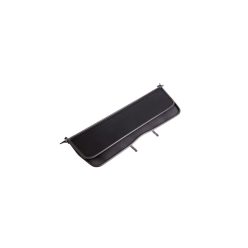
Net price: 134 €
Brief summary + key benefits
The Peugeot 307 CC wind deflector (3B, 2003–2009) is a simple, highly effective upgrade for quieter, warmer open-top driving. By disrupting the wake behind the front seats it reduces wind noise and draughts, so motorway trips feel less tiring and city drives are calmer. A model-matched frame with a taut mesh panel delivers a stable, rattle-free fit on OE-style mounting points and preserves rearward visibility. In cooler weather the reduced airflow makes the heater feel more effective, extending the usable top-down season.
Technical Basics
Quality deflectors pair powder-coated aluminium or steel frames with fine mesh that redirects air without blocking sightlines. The 3B interior geometry of the 307 CC defines clip locations and frame contours; a correct application uses vehicle-specific mounting points and follows the rear-compartment/side-trim shapes. Proper designs remain clear of the retractable hard-top mechanism across its full travel and sit flush with trims for an OE-like appearance.
Structural reinforcements within the frame maintain shape over rough surfaces, while rubber interfaces at contact areas suppress squeaks and protect trim. A non-glare black powder coat blends with the cabin and resists scuffs. Two-position operation (deployed/folded) is common; many units are foldable for quick stowage in a padded carry bag.
Selection Criteria
Fitment: choose a part specified for Peugeot 307 CC (3B, 2003–2009). Compare mounting points and frame contours to product photos and to your vehicle—re-trimmed interiors can differ slightly, so double-checking clearances is wise.
Materials & finish: prefer powder-coated frames, UV-resistant mesh and smooth, damped hinges. High-wear contact zones should have durable pads. A foldable design with a padded bag simplifies seasonal removal and protects adjacent trim in the boot.
Use case: the benefit is most noticeable with two occupants. At motorway speeds the reduced buffeting lowers fatigue; at urban speeds the cabin feels calmer with less draught. In cool conditions the heater feels more effective because airflow is better controlled.
Appearance & integration: discreet black finishes integrate cleanly; well-shaped frames do not obstruct mirrors or rearward sightlines and do not require permanent modifications. A correctly fitted unit will not rattle or scuff interior panels.
Installation & Maintenance
Installation: most units are tool-free. Position the frame, engage the clips and cycle the roof to confirm mechanism clearance. If any rattle appears, adjust clip tension or rubber interfaces. Do not place luggage on the deflector or attach non-approved accessories.
Care: gently brush the mesh and wipe powder-coated frames with a damp microfibre cloth. Periodically inspect the coating for scratches, verify clip tightness and replace ageing rubber pads. Store the folded assembly in its bag and secure it in the boot so it cannot slide under braking.
FAQ
Will it fit all 307 CC years?
Yes, if specified for 3B (2003–2009); always confirm mounting points and interior contours against product photos.
Can it stay installed with the roof up?
Often yes—ensure hard-top mechanism clearances by running a test cycle after fitting.
How noticeable is the noise reduction?
Expect a clear drop in wind noise and buffeting; conversation and music become easier, especially with two occupants.
Are tools required?
Usually not—the unit uses OEM-style clips and supports for a quick, reversible install.
How should I clean it?
Soft-brush the mesh and wipe the frame with a damp microfibre cloth; avoid harsh chemicals on powder coat.
