
A heat shield and mat (thermal barrier) is a surface-protection solution used to help reduce heat transfer from exhaust, turbo, manifold or tunnel areas into nearby parts. It is especially relevant when you want better control of floor, bodywork, wiring or cabin-side heat exposure.
The right choice depends on the surface area, mounting method and how much formability you need, because a flat panel, a tunnel section and a tighter exhaust-side zone do not ask for the same format. Verify exact dimensions and specifications on the product card; in-stock items dispatch fast within the EU.
You can avoid many fitment issues by checking the base surface, available space and whether an adhesive-backed, formable or more rigid option suits the intended installation best before ordering.
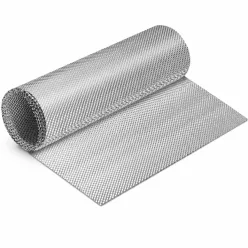
Net price: 15 €

Net price: 218 €

Net price: 107 €
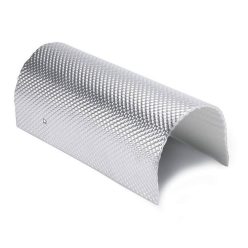
Net price: 56 €


Net price: 17 €

Net price: 104 €


Net price: 87 €
Heat Shields and Mats: surface protection, heat control and fitment logic
The products on this page are often searched by builders as heat shield mats or heat barriers, but the right choice is not only about size. Good heat management starts when the heat source, the protected part, the panel shape and the mounting method are considered together.
Technical background and system integration
These products are typically used to help reduce the effect of radiant and conducted heat on nearby panels, trim areas and body sections. The shielding role is not identical in every location: underfloor use, transmission tunnel coverage, exhaust-side work and body panel protection can each favour a different format.
Within this category you can find adhesive sheets, formable panels, floor and tunnel solutions, plus kits aimed at exhaust or bodywork areas. Material and shape should be matched to the actual surface, the available installation room and the movement of nearby components.
An adhesive backing can be convenient on clean, stable sheet metal, while more rigid or formable panels may suit areas where the part also needs to hold its own shape or bridge a less uniform surface. DEI and TurboWorks options can differ in layout and intended use, so the product card is the right place to confirm the exact format.
- Surface: a smooth flat panel may want a different solution than a ribbed or heavily curved section.
- Shape: tunnel, firewall, floor and body arch areas often need different levels of flexibility.
- Mounting: adhesive, mechanical fixing or a mixed approach should match the space and service load.
- Clearance: the gap to the heat source and the path of airflow can influence the final result.
How to choose the right one
Quick selection guide: first decide which area you want to protect, then narrow the choice by whether you need a flat sheet, a tunnel solution, an exhaust-area shield or bodywork protection. After that, use filters by brand and product type, then confirm size, formability and mounting logic on the product card.
Surface and space often matter more than the product name alone. If the installation area is tight, check how easily the material can bend, whether it needs full contact with the base panel and whether nearby moving parts still have enough room.
If you see several floor, tunnel and body protection options on this page, the safest choice comes from the protected zone, the amount of shape control you need and the fixing method you plan to use.
- Floor/Tunnel: on larger areas, size, seam planning and cut-out points may be the main factors.
- Exhaust area: local shape, available space and distance to nearby parts become especially important.
- Bodywork: thinner or adhesive-backed sheets can work well where direct panel protection is the main goal.
Installation and failure-prevention tips
Clean surface is the starting point for either adhesive fitting or panel positioning. Do not leave loose contamination, moisture or unstable old coating on the base area, and during trial fitting make sure the cut lines, edges and bends sit where you expect them to.
A typical problem is not always the material itself, but placing the shield too close to a moving or heavily heat-loaded part, or applying it onto a surface that was not prepared properly. Over time that can show up as edge lift, local damage, discolouration or rattling. You can reduce the risk by trial-fitting first, checking clearances and not forcing the sheet or panel into a curve the chosen format does not naturally suit.
Post-heat-cycle check is worth doing after first use. Inspect the edges, joints and fixing points, and confirm the shield has not moved into contact with components that may later damage it through vibration or movement.
PRO TIP: On larger coverage areas, start with a paper template so the final panel needs less trimming and fits more cleanly once installed.
Frequently asked questions
What is the most common failure or installation mistake?
First inspect the surface preparation, then check edge contact, fixing points and the clearance to nearby components. After that, review the panel again after a heat cycle to confirm its position has not changed and there are no signs of rubbing or vibration.
Should I choose an adhesive sheet or a formable panel?
That mostly depends on surface shape and mounting need. An adhesive option can be convenient on flat or gently curved panels, while a formable panel may be easier to manage on more complex shapes or where the shield also needs to hold form.
Can I cover a larger area with multiple pieces?
Yes, and in many cases that is more practical than forcing one large panel into place. Plan the joins and edge positions in advance so later inspection and replacement remain simpler.
What should I check for floor or tunnel protection?
Look at the full area to be covered, the bolt locations, pressed shapes and where cut-outs or joins may be needed. It also matters that the shield does not block later service work or interfere with nearby moving parts.
When should an existing heat shield be replaced?
If the old part has lifted, distorted, burned through or no longer sits correctly, it is usually time to rebuild the protection. Replacement can also make sense after exhaust or driveline changes if the original heat path has changed.
