
In the Fuel Tanks category you can find solutions for race, track and tuned road cars, from compact aluminium tanks to motorsport-style fuel cell systems. Product pages typically list capacity (litres), external dimensions (mm) and connection types (e.g. AN), so you can match the tank to your layout and plumbing. Under high lateral G, internal foam and correct venting help reduce the risk of fuel starvation.
Use filters by brand, price or stock status, then open a product card to confirm exact specs and port sizes. Choose the compatible option and add the right tank to your basket.

Net price: 102 €

Net price: 930 €
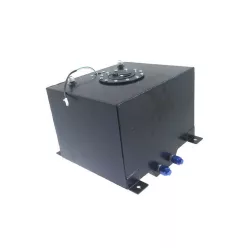
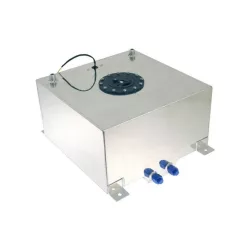
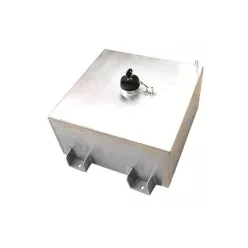
Net price: 156 €

Net price: 775 €

Net price: 828 €

Net price: 838 €
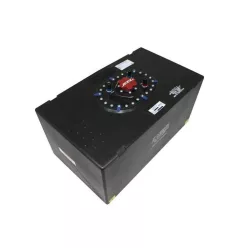
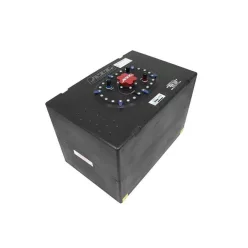
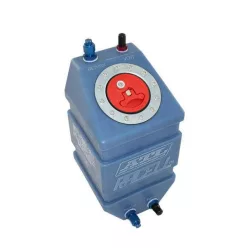
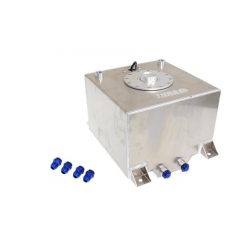
Fuel Tanks – steady fuel delivery, safer storage and practical fitment options
A well-chosen fuel tank can help minimise fuel slosh, improve steady fuel supply to the engine, and make service work more predictable. In this category you may see compact aluminium tanks, motorsport-focused fuel cell solutions, and designs that support different ports, covers and sender options.
For drift, time attack, rally or track-day use, the tank’s internal design, foam baffling and venting strategy can matter as much as capacity in litres. Always confirm the exact ports, sender compatibility and mounting details on the specific product page before ordering.
Technical Basics
A rigid-shell aluminium tank is a common choice for custom builds, while a fuel cell often uses a bladder-style core inside a protective housing to improve safety in motorsport contexts. Some products may reference FIA FT3 or similar compliance; if you build to regulations, verify approvals using manufacturer documentation and the event rulebook.
Construction details vary: you may encounter TIG-welded housings and corrosion-resistant alloys (e.g. 5052 aluminium type materials), as well as hard-shell designs with internal safety foam. Foam can reduce slosh, but it can age over time, so follow any stated service interval (yearly replacement can be recommended on some designs).
Plumbing often uses AN fittings, where the dash size (e.g. AN-6) must match your hose and fittings across the system. Pay attention to feed, return and vent routing, and consider a rollover valve approach where appropriate to reduce spill risk in an incident.
Selection Criteria
Start with capacity and packaging: compare the listed dimensions (mm) to your available mounting space and your target range/session length. The range can include small options such as 10 L tanks and much larger motorsport units, so weight placement and mounting structure should be part of the decision.
For EFI setups, port sizing and layout are critical: larger feed ports (often AN-8 or AN-10) may be needed depending on pump flow and power goals, while the return can differ by system design. If you need level indication, check whether the tank supports a fuel level sender (flange/hole pattern) and whether the sender type is specified.
In high-G applications, a surge tank can be used to help stabilise fuel pickup under low fuel level and aggressive manoeuvres. Treat it as a system decision: pump choice, filtration, return routing, venting and heat protection all influence real-world reliability. For safety, only choose a solution you can mount securely and vent correctly in your specific chassis.
Installation & Maintenance
Mount the tank to a rigid structure and follow the intended fixing method (threaded points such as M8 or external brackets are common). Protect lines from heat and abrasion, and ensure the vent path is built with fuel-rated components and a safe exit point.
To prevent leaks, use fuel-compatible seals and verify cover plate alignment; some assemblies use Viton-type sealing. After installation, perform a careful leak check and re-inspect fittings after the first heat cycles and a short drive session.
Maintenance focuses on the condition of foam baffling, cleanliness inside the tank and any signs of corrosion or damage. If a service interval is stated, keep to it (for example, 12 months can be recommended for certain foam inserts), and check mounts, hoses and vent components at least once per season.
FAQ
What size fuel tank do I need for drift or track days?
Answer: It depends on fuel consumption and how long you run between refuels, so calculate based on your typical session length. Measure the available space in mm and confirm that port sizes (e.g. AN dash size) match your plumbing plan.
What’s the difference between an aluminium tank and a fuel cell?
Answer: An aluminium tank is typically a rigid shell, while a fuel cell often uses a bladder-style core inside a protective housing for motorsport safety. If you need compliance, check whether the specific product lists a standard such as FIA FT3 and verify it via manufacturer documents.
Which AN size should I choose (AN-6 / AN-8 / AN-10)?
Answer: Choose based on pump flow, power target and pressure drop across the line length. Confirm the exact port type on the product page, then match hose and fittings to the same standard throughout the system.
Do I need a surge tank to prevent fuel starvation?
Answer: High lateral G and low fuel level can trigger pickup issues, and internal foam can help reduce slosh. For aggressive use, a surge tank can add stability, but it only works well when the full system (pump, return, venting) is designed correctly.
How do I know if a tank supports a fuel level sender?
Answer: Check whether the tank has a sender provision (hole/flange pattern) and whether a compatible sender type is specified. If the sender is separate, confirm the bolt pattern and the electrical range before buying to avoid mismatch.
Filter by size and fitment details, then order the fuel tank that matches your build.
