
Our Daewoo steering wheel hubs are model/year-specific adapters that let you replace the OEM wheel with a motorsport rim. The right hub preserves horn function and, on airbag cars, the required resistor load. Choose the correct fitment for clean alignment, durable clamping and a vibration-free feel for everyday driving or track days.
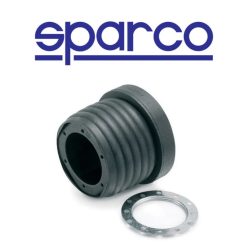
Net price: 74 €
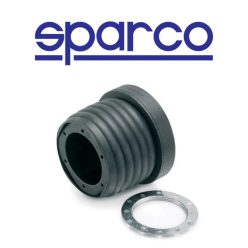
Net price: 67 €


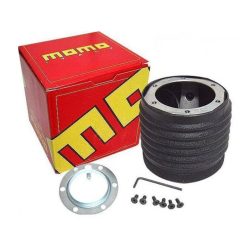
Brief summary + key benefits
The Daewoo – steering wheel hubs category helps you replace the OE wheel with an aftermarket rim safely and neatly. Model-specific adapters provide correct centring and reliable horn function; on airbag cars, the proper resistor load prevents warnings. Benefits include precise fitment, durable clamping, sharper steering feedback and a tidy cabin aesthetic.
Technical Basics
A hub interfaces the column’s taper/spline with common motorsport bolt patterns (typically 6×70 mm, sometimes 6×74 mm). Constructions in steel and/or aluminium balance strength and weight; the offset (depth) sets driver reach and steering arc. On airbag-equipped cars, a correctly valued resistor maintains system load; wrong wiring can trigger fault codes and warning lights. Usual pitfalls include wrong application/year, mismatched bolt circle, over-torqued screws and shroud contact at full lock.
Compatibility can vary across Daewoo platforms (e.g., Matiz, Lanos, Nubira, Leganza): the spline profile, horn contact ring and shroud geometry may differ. Always validate the hub’s application list against production year and equipment, and confirm your wheel’s bolt circle to ensure a perfect mate without slotting or stress.
Selection Criteria
Start with your wheel’s bolt pattern (many aftermarket rims are 6×70 mm). Match the column spline for your vehicle, then choose the desired offset (depth): near-OE reach for daily comfort or a shorter hub for a more direct track feel. If adding a quick release, include its stack height in your reach calculation so stalks remain accessible.
Design & materials: look for generous wall thickness around the flange and taper, clean machining and corrosion protection. Use quality fasteners of class 8.8/10.9 tightened to the specified torque (Nm). Consider any horn adapter rings or spacers needed to retain full functionality and perfect centring; confirm wiring length and routing to prevent strain at full lock.
Use cases: for commuting/touring, OE-like reach tends to be most comfortable. For autocross or track days, pairing a smaller rim with a shorter hub can sharpen responses. Ensure the rim does not obscure the cluster and that full-lock manoeuvres remain free of shroud contact or wire tension.
Installation & Maintenance
Disconnect the battery first (critical on airbag cars). Mark the OE wheel’s centre, remove trims and the locknut as per the service manual. Seat the hub on a clean, dry taper; avoid lubricants on splines/taper. Tighten the locknut to the specified torque and use threadlocker only if recommended by the manufacturer.
Fasten wheel-to-hub screws in a star pattern to the correct torque. After 100–200 km perform a re-torque and inspect for loosening, shroud contact and wiring tension at full lock. If using a quick release, periodically inspect latch wear and keep mating faces clean to maintain zero play.
FAQ
Q: Which bolt pattern is most common?
A: Many aftermarket wheels use 6×70 mm; some systems use 6×74 mm. Match the hub accordingly.
Q: Do airbag-equipped cars need a resistor?
A: Often yes—the correct resistor value prevents warning lights after the swap.
Q: How do I choose hub depth?
A: Keep OE-like offset for daily comfort; go shorter for a more direct track feel.
Q: Can I add a quick release?
A: Yes—include its thickness in your reach calculation and check for play-free engagement over time.
Q: What hardware should I use?
A: Quality fasteners (class 8.8/10.9) tightened to the specified torque with a torque wrench.
