
Our Battery Chargers range covers smart, multi-stage units for 6 V/12 V VRLA/AGM and Li-Ion batteries. Quality models feature reverse-polarity, short-circuit and overcharge protection, plus clear displays and reliable maintenance modes. Choose trusted brands like OSRAM and CTEK to keep road and motorsport batteries healthy and ready to go.
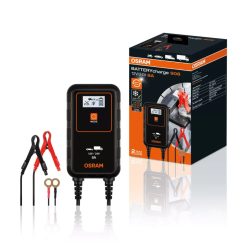
Net price: 59 €
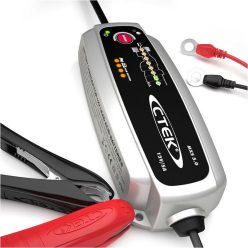
Net price: 82 €
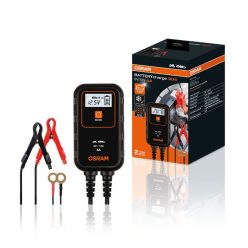
Net price: 33 €
Brief summary & key benefits
The Battery Chargers category delivers safe, efficient charging for vehicle batteries. Smart controllers adapt current and voltage in stages, reducing heat and improving lifespan. Dedicated profiles exist for AGM/VRLA and Li-Ion packs, while clear status indicators and robust safety features make day-to-day use straightforward in the workshop and at the track. A dependable maintenance mode keeps seldom-used vehicles ready to start.
Technical Basics
Modern chargers implement a multi-stage routine: analysis, pre-charge, bulk, absorption and float (sometimes pulse maintenance). This approach tops up efficiently without stressing the cells. Chemistry matters: AGM/VRLA may require slightly different voltage thresholds than flooded lead-acid; Li-Ion must only be charged with a lithium-specific mode that respects the battery management system. Core protections include reverse-polarity, short-circuit, over-temperature and overcharge safeguards. Weather-resistant housings with IP65 ingress protection are ideal for paddocks, pit garages and outdoor storage.
Compatibility checks should start with nominal voltage and capacity. Displays that show real-time voltage, current and stage help diagnose issues quickly. Typical pitfalls include selecting the wrong chemistry profile, using poor-quality clamps that cause voltage drop, or running chargers through long thin extension leads. Address these and you’ll gain faster, safer charge cycles with consistent results.
Selection Criteria
Match the charger’s maximum current (A) to the battery’s capacity (Ah). A common rule of thumb is around 10% of capacity (e.g., 5 A for 50 Ah), though colder climates or faster turnarounds may justify slightly higher currents within the manufacturer’s limits. For infrequent use, prioritise a reliable maintenance mode that automatically floats without overcharging. Useful extras include temperature compensation, reconditioning/desulphation programs for lead-acid, memory of last settings, and detachable ring-terminal leads for tidy semi-permanent installs.
Use cases: daily drivers benefit from automatic start/stop and safe long-term float; track cars running AGM race batteries need an AGM-capable profile and stable output; lightweight builds with Li-Ion packs require a true lithium mode with appropriate cut-offs. If you store the vehicle for months, choose a model with low standby draw and a well-regulated float stage.
Installation & Maintenance
Connect with the system isolated: clamp the positive terminal first, then the negative. Use clean metal contact points and avoid paint or corrosion. For storage, enable maintenance mode to prevent self-discharge. Periodically inspect cables and clamps, check for heat build-up, and ensure adequate ventilation. In damp or dusty environments, prefer IP65 units and route leads to avoid chafing.
Do not start the engine while charging. If you fit quick-disconnect ring terminals, protect them against corrosion with dielectric grease or caps. Monitor resting voltage occasionally; rapid decline suggests an ageing battery or parasitic drain. When in doubt, follow the battery and charger manuals for safe settings and re-torque values.
FAQ
Q: Can one charger handle both AGM and Li-Ion?
A: Yes—choose a model with dedicated chemistry modes and always select the correct profile before charging.
Q: How much current do I need?
A: Roughly 10% of capacity (e.g., 6 A for 60 Ah) is a practical starting point; always respect the battery maker’s limits.
Q: What does maintenance mode do?
A: It maintains a full charge at a low current to minimise self-discharge and sulphation during long storage.
Q: Why does IP rating matter?
A: In workshops and paddocks, dust and moisture are common—IP65 housings resist ingress and extend service life.
Q: Is it safe to leave the charger connected?
A: Quality multi-stage chargers switch to maintenance/float automatically and are designed for long-term connection.
