
The Washing Gloves & Mitts range covers everything for safe hand washing: microfibre and natural wool (mouton) mitts, synthetic wash mitts and handy add-ons. Match fibre length and density to paint condition, and always use a pH-neutral shampoo to minimise marring. You’ll find options from ADBL, Prostaff, Shiny Garage, Soft99, RR Customs, Ultracoat and Daniel Washington.


Net price: 12 €


Net price: 10 €
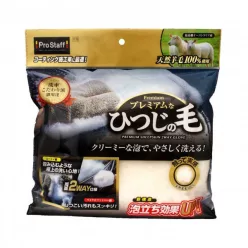


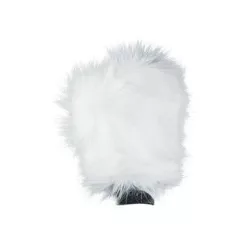
Brief summary + key benefits
The Washing Gloves & Mitts selection is designed to clean paintwork as gently as possible. The right microfibre or wool (mouton) mitt lifts grime safely while reducing wash-marring. Multiple sizes, pile lengths and constructions cover both routine maintenance and meticulous car care. Brands on the page—ADBL, Prostaff, Shiny Garage, Soft99, RR Customs, Ultracoat and Daniel Washington—offer solutions tailored to different tasks.
Technical Basics
Fibres & blends: most microfibre mitts use polyester/polyamide mixes. Pile length (long pile glides more gently) and density (GSM) influence dirt loading and lubrication. Wool (mouton) provides excellent glide for delicate or freshly coated paint. Synthetic “woolly” options emulate the feel while improving washability. Details like the cuff (elastic vs. snug) and reinforced seams affect comfort and durability. Always use a pH-neutral shampoo with plenty of lubrication; harsh alkalis/solvents can stiffen fibres and shorten service life. Note: pre-foam and rinse heavily soiled vehicles so grit doesn’t scratch the clear coat.
Selection Criteria
Paint condition: choose long-pile or natural wool for sensitive finishes; a medium-pile microfibre mitt is a robust choice for frequent washes. Material trade-offs: wool is the softest but needs more care; microfibre is durable and machine-washable. Fit & control: mitt-style designs are common; some add inner finger baffles for grip. Task-specific tools: narrow mitts reach tight spokes on wheels and other intricate areas. Budget: synthetic mitts are affordable, while premium wool sits higher—use on-page filters to match price and features. Warning: avoid coarse, stiff fibres that increase the risk of marring.
Installation & Maintenance
Use: adopt the two-bucket method with grit guards; work top-down and rinse the mitt frequently. Lubrication: keep the panel wet with shampoo solution; never scrub a dry surface. Care: rinse after use; machine-wash with neutral detergent (no softener) around 30 °C; air-dry away from heat. For wool, gently comb the pile after drying and store in a UV-protected place. Safety: chemical-resistant rubber gloves protect skin when handling concentrates. Note: do not tumble-dry on high heat to avoid fibre compression or adhesive failure.
FAQ
Microfibre or wool—what’s better? Wool is gentlest on delicate paint, while quality microfibre is tougher and easier to maintain for frequent washing.
Which shampoo should I use? A pH-neutral car shampoo with strong lubrication; avoid harsh degreasers for routine washes.
How often should I wash the mitt? Rinse after every wash and machine-wash every 2–3 uses with neutral detergent and no softener.
Can one mitt do every job? Keep separate mitts for paintwork and wheels/lower sections to prevent cross-contamination.
When should I replace it? Replace if fibres mat down or harden, or if seams begin to fail.
Is hot water safe? Use warm, not hot; excessive heat can damage fibres and adhesives.
