
Our Volkswagen steering wheel hubs enable a clean OE-to-motorsport swap using model/year-specific adapters. The right hub preserves horn function and—on airbag cars—the proper resistor load. From Golf (Mk1–Mk8), Polo and Passat to Scirocco/Beetle, Jetta/Bora, Tiguan/T-Roc/Touareg, Caddy and Transporter (T4–T7), expect precise fitment, rigid clamping and a tidy, vibration-free feel.
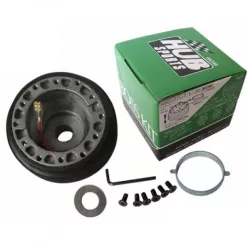
Net price: 15 €
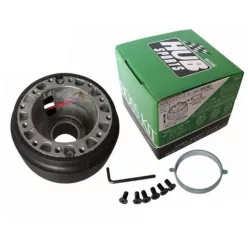
Net price: 14 €
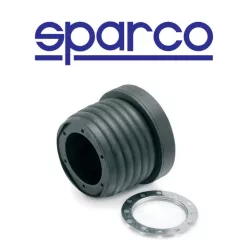
Net price: 67 €
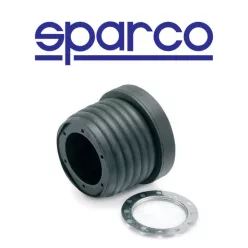
Net price: 67 €
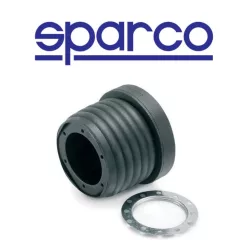
Net price: 67 €
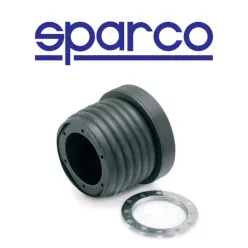
Net price: 74 €
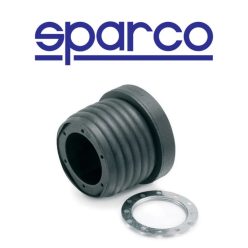
Net price: 74 €
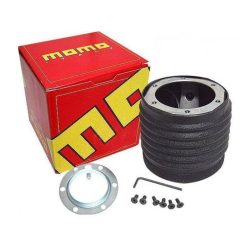
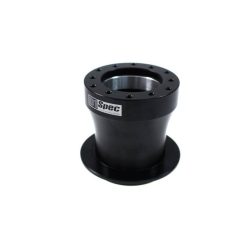
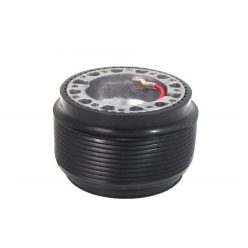

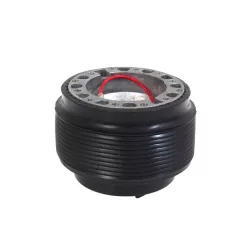
Brief summary + key benefits
The Volkswagen – steering wheel hubs category helps you swap the OE wheel for an aftermarket rim safely and neatly. Model-specific adapters deliver the correct spline interface, reliable horn function and—on airbag cars—the proper resistor load. Benefits include precise fitment, durable clamping, crisper feedback and ergonomic reach across Golf (Mk1–Mk8), Polo, Passat, Scirocco/Beetle, Jetta/Bora, Tiguan/T-Roc/Touareg, Caddy and Transporter T4–T7.
Technical Basics
A hub bridges the column’s taper/spline to common motorsport bolt patterns. Most aftermarket rims are 6×70 mm (MOMO/Sparco), while others are 6×74 mm (Nardi/Personal). Quality steel/aluminium constructions and accurate machining yield play-free torque transfer and low vibration. The offset (depth) sets reach and steering arc and affects instrument visibility and stalk access. On airbag-equipped VWs, a correctly valued resistor keeps the SRS system satisfied and warning-free.
Platform notes: Golf and Polo generations, Passat (B-series), Scirocco/Beetle, Jetta/Bora, SUVs (Tiguan, T-Roc, Touareg) and vans (Caddy, Transporter T4–T7) may differ in spline profile, horn-ring layout and shroud geometry. EVs and newer platforms (e.g., ID. family) can feature thicker trims and different harness routing—always verify the hub’s application list against model year and options (multifunction/heated wheel).
Common pitfalls include mismatched bolt patterns (6×70 vs 6×74), choosing an offset that contacts trims at full lock, using bolts of incorrect length and over-torquing wheel-to-hub screws. Clean, dry mating faces and adherence to specified torque (Nm) mitigate these risks and ensure long-term reliability.
Selection Criteria
Bolt pattern: confirm whether your wheel is 6×70 or 6×74 and match the hub. Spline: pick the exact column interface for your generation (e.g., Golf Mk5 vs Mk8, Passat B6 vs B8). Offset (depth): for commuting/touring, OE-like reach is comfortable; for track/autocross, a shorter hub with a smaller rim gives a more direct feel. If adding a quick release or a spacer, include its stack height and re-check cluster visibility and stalk access.
Design & materials: look for reinforced wall thickness around the flange and taper, precise machining and corrosion protection. Use quality fasteners of class 8.8/10.9 torqued to spec (Nm) in a star sequence. With any added stack, choose longer bolts and keep at least 1–1.5× fastener diameter in thread engagement. Treat wheel diameter and rim grip profile as part of the system so controls remain accessible.
Use cases: A Golf street/track build benefits from a shorter hub for sharper response; touring-focused Passat setups favour mid-depth offsets for comfort and visibility. On Tiguan/T-Roc SUVs, thicker trims and higher seating position make full-lock clearance and wire slack checks critical. For Transporter vans that see heavy loads and vibration, schedule periodic re-torque and visual inspections.
Installation & Maintenance
Disconnect the battery before work (essential on airbag cars). Mark the OE wheel’s centre, remove trims and the locknut per the service manual. Seat the hub on a clean, dry taper; avoid lubricants on splines/taper. Tighten the locknut to the specified torque; use threadlocker only if recommended by the manufacturer. Align horn contacts and ensure cable slack at full lock.
Fasten wheel-to-hub screws in a star pattern to the correct torque. After 100–200 km—or after hard use—perform a re-torque and inspect for loosening, shroud contact and wire tension. If a quick release is fitted, periodically check latch wear and keep mating faces clean to maintain zero play.
FAQ
Q: Which bolt pattern do most VW-compatible wheels use?
A: Many aftermarket rims are 6×70 mm; some systems use 6×74 mm. Match the hub accordingly.
Q: Do airbag-equipped cars need a resistor?
A: Often yes—the correct resistor value prevents warning lights after the swap.
Q: How do I choose hub depth?
A: Keep OE-like offset for comfort; go shorter for a more direct track feel.
Q: Can I combine a spacer with a quick release?
A: Yes—include both in the reach calculation and verify instrument visibility and full-lock clearance.
Q: What hardware should I use?
A: Quality 8.8/10.9 fasteners torqued to spec (Nm); adjust bolt length for any added stack.
