
The VDO electronics & gauges category covers gauges, senders, wiring accessories, displays and electronic monitoring parts (gauge parts) for motorsport, tuning and workshop builds.
Choose by electronics and gauges fitment, vehicle or system data, part number and installation environment; product images are secondary to product-card data. If several variants are listed, start with the measured component and confirm thread, bore, diameter, material or connector standard before adding to basket.
Verify exact dimensions and specifications on the product card; in-stock items dispatch fast within the EU. Use manufacturer data before load, heat or road use to reduce mismatch, stress, vibration or sealing risk.
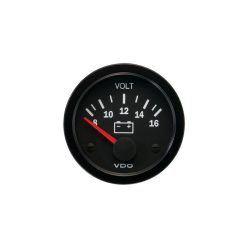
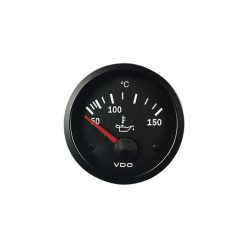

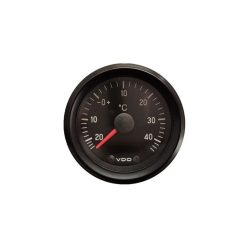
Net price: 192 €
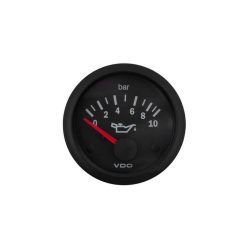
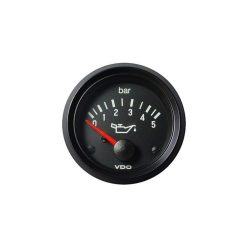
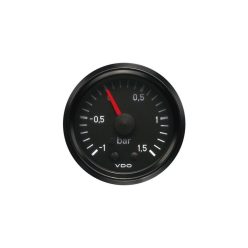
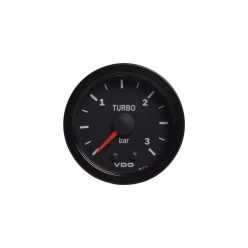


VDO Electronics & Gauges - selection guide and system role
VDO range: This brand page groups gauges, senders, wiring accessories, displays and electronic monitoring parts for gauge parts and performance builds. The useful decision is not the logo alone; size, part number, material, connector standard and vehicle compatibility need to support the same build goal.
Technical background and system integration
System role: Electronics and gauges translate signals, power supply or measurement data into control and diagnostics. Clean wiring, stable grounds and correct sensor range support reliable readings and component protection.
- Measurement: check size, bore, thread, diameter, connector, mounting point or other relevant fitment data on the product card.
- Load case: match the item to street, track-day, drift, rally, drag, overland or workshop use without assuming universal ratings.
- Compatibility: compare vehicle version, engine or system code, and manufacturer part number before ordering.
- Material: evaluate finish, coating, sealing surface, thread form or medium compatibility only from exact product data.
How to choose the right one
Quick selection guide: Start from the vehicle or system data, then filter by the main job of the electronics and gauges. This brand page has no separate internal subcategory link in the import file, so use the product card, filters and exact part number as the final decision point.
- Fitment: confirm vehicle, engine, chassis, connector or body version before relying on the brand name.
- Specification: compare dimensions, part number, material, finish and service notes with the existing component.
- Use case: choose for road, track, race, detailing, workshop or paddock use according to the real operating environment.
Installation and failure-prevention tips
Installation baseline: Plan wiring routes away from heat and moving parts, protect power feeds correctly and confirm sensor range before calibration or first load. Avoid universal torque, pressure or temperature assumptions; leave room for heat movement, vibration and service access where the exact part requires it.
Common issue: poor grounding, wrong sensor range or incorrect wiring can make the system read or control incorrectly; a typical symptom is erratic readings, no communication, unstable output or fault codes. Reduce risk by measuring the original part, matching the part number and test-fitting before load.
After installation or first use, inspect power supply, ground path, connector lock, sensor range and calibration notes. If something does not match, stop before full load and re-check the product card, manufacturer documentation and the surrounding components.
PRO TIP: When two VDO items look similar, choose by measurable data, fitment and use case rather than the shortest product name.
FAQ
Which VDO product should I choose first?
Start with the vehicle or system data, then confirm size, part number and compatibility on the product card. If several items look similar, use the planned use case to narrow the choice.
What is the most common failure or installation mistake?
Use a simple checklist: part number, measured size, connection point, mounting location and vehicle data. If one item is missing, do not infer fitment from the brand name alone.
How do electronics and gauges differ from mechanical parts?
Electronics and gauges depend on electrical compatibility, signal quality and calibration. Mechanical parts are usually checked by dimensions, material and physical fitment.
How do I check compatibility before ordering?
Go step by step: vehicle data, system data, size, part number, connection standard and product-card notes. On modified cars, also measure the existing component.
What should I do if the exact version is unclear?
Collect the vehicle details, current part dimensions and the selected product number. This makes it easier to confirm whether the selected VDO item is the right direction.
