
Universal diesel catalytic converters (diesel cats) are retrofit exhaust components that integrate into the exhaust line to help balance system layout and gas flow; when choosing, pipe diameter, body size and the target Euro level all matter together.
On this page, products are typically separated by engine range, Euro rating and CPSI density, so it makes sense to use filters first, then confirm inlet size, body length and core construction on the product card. Verify exact dimensions and specifications on the product card; in-stock items dispatch fast within the EU.
To avoid later problems, measure the installation space and nearby sensor area before cutting, and check for stress-free alignment before final welding or clamping. Use the filters, then open the product page to confirm the exact details.
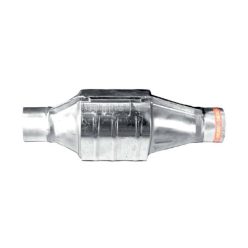
Net price: 110 €

Net price: 110 €

Net price: 110 €

Net price: 160 €
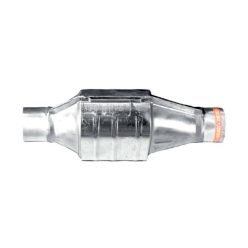
Net price: 160 €
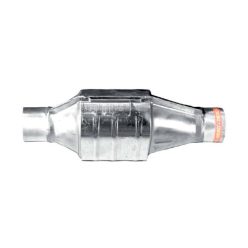
Net price: 160 €
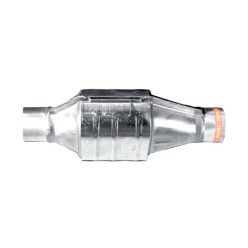
Net price: 190 €

Net price: 190 €
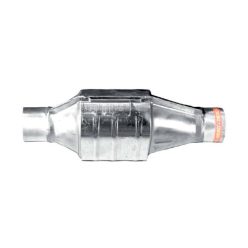
Net price: 190 €
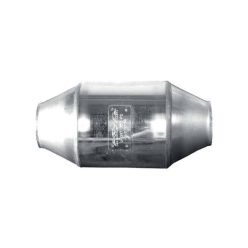
Net price: 128 €
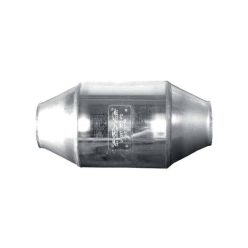
Net price: 128 €
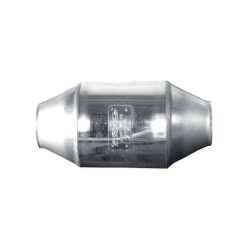
Net price: 128 €
Universal Diesel Catalytic Converters – Sizing, CPSI and Fitment Logic
A universal catalyst for diesel builds is more than a replacement shell; in this category it works as an integrated exhaust unit where size, cell density, housing shape and installation position all influence how cleanly the converter fits into the system.
Technical background and system integration
Cell density is shown as CPSI (cells per square inch), and that value helps describe how dense the internal structure is, which can affect exhaust behaviour and application logic. For that reason, matching only the pipe size is rarely enough when you are comparing otherwise similar diesel converter options.
Core construction may be ceramic or metal depending on the version, and those routes can react differently to vibration, mechanical impact and repeated heat cycling. On diesel projects, intended use, vehicle character and packaging space can matter just as much as the nominal dimensions.
System loading stays more manageable when the converter body is not forced into position, the surrounding pipework does not pull it sideways and enough space is left around the shell for thermal movement. That helps the welds, clamps and hangers work with less unwanted stress.
How to choose the right one
The Quick selection guide for this category is product-led: filter by size and Euro level first, then confirm body length, housing dimensions and connection environment on the product card.
- Pipe size: match the converter to your nominal exhaust diameter so the joint does not depend on an awkward transition from the start.
- Euro level: choose the emissions category that suits your project, because several ratings may appear within the same diesel converter range.
- Engine range: check whether the listed displacement range aligns with your diesel engine and the way the car is used.
- Core type: do not decide between ceramic and metal on price alone; consider vibration, heat cycling and overall use case as well.
The filter order that usually works best on this type of page is pipe size first, Euro level second and engine range third, followed by a product-card check for overall length, body width and local packaging room.
Installation and failure-prevention tips
Preparation starts with clean, round and burr-free pipe ends, while sensor positions and connection needs should be planned before final fixing. With a universal unit, accurate placement often matters more than whether the part seems broadly compatible on paper.
Typical failure: the converter housing ends up preloaded or too close to the body, so once hot the system may develop resonance, a light leak or extra load on the internal core; this is often avoided by centring the pipe ends properly, relaxing the hangers and trial-fitting before permanent fixing.
Fixing order should be deliberate: set the exhaust into its natural position first, check the clearance around the housing and tunnel, then complete the final weld or tighten the joints only after the full system sits without twist.
PRO TIP: If the converter sits close to the floor, heat shield or a structural brace, allow for engine rock and exhaust movement as well, because a gap that looks acceptable at rest can become tight in real operating conditions.
FAQ
What is the difference between 100, 200 and 400 CPSI versions?
Different CPSI values describe different internal densities, which can suit different exhaust layouts and build goals. The better choice depends on the overall system design, intended use and the exact product specification rather than on one number alone.
Is a ceramic or metal core the better option?
It is not a simple better-versus-worse decision. Ceramic can be a cost-aware route for many builds, while metal is often considered when vibration, heat cycling and harder use become more important factors.
What is the most common failure or installation mistake?
Start with a checklist: confirm pipe diameter, check that there is enough clearance around the housing, verify joint overlap, make sure the hangers are not pulling the exhaust sideways, and confirm space for sensors or required connections. If any of those points is uncertain, it is worth revisiting the position before final fixing.
Should I clamp it or weld it in?
A clamped installation is easier to revise and remove later, which can help during mock-up work. A welded installation can package neatly, but it makes the most sense only after the full exhaust position has already been confirmed.
How do I know the size is really correct?
Check more than inlet diameter: confirm overall length, outer housing size, inlet and outlet orientation, and the real space available around the converter. With universal catalytic converters, packaging room is often just as important as the nominal catalogue dimensions.
Filter by size, Euro level and engine range first, then confirm the exact housing dimensions and construction on the product card so the chosen diesel catalytic converter matches your own exhaust build more cleanly.
