
Turbo Timers keep the engine idling for a preset period after key-off, reducing heat soak so the turbocharger and oil are protected. Our range includes universal units plus D1Spec and ADDCO models with adjustable timing and straightforward installation. The goal is extended component lifespan and consistent operation even in hot conditions.
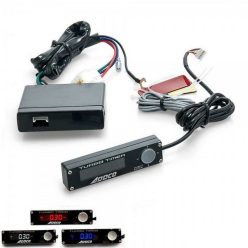
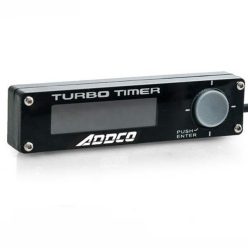
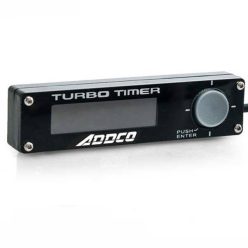
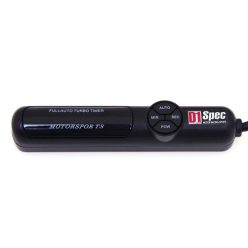
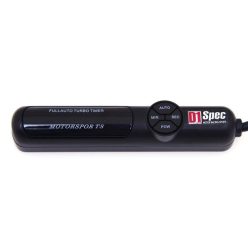
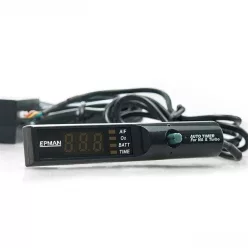

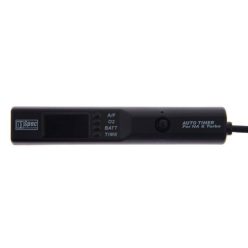
Brief summary + key benefits
Turbo Timers provide a short, controlled after-run so coolant and oil continue circulating after key-off. This lowers heat soak, protects turbo bearings and seals, and helps repeatable performance for daily driving and track use. The category includes universal units and models from D1Spec and ADDCO with adjustable timing and clear user interfaces.
Technical Basics
A timer maintains ignition/ECU supply for a defined period—typically 30–180 s—allowing temperatures to stabilise while fluids keep moving. Many devices monitor safety inputs such as the handbrake or door status to prevent roll-away or misuse. Modern kits integrate via crimped connectors, fused feeds and clean grounding, and provide readable displays for setup and status. On newer platforms, factory after-run pumps may exist; evaluate interaction before choosing a unit and plan wiring accordingly.
Hardware is compact and vibration-resistant, with housings that tolerate cabin heat. Universal options prioritise simple routing and minimal intrusion, while higher-feature D1Spec units add richer logic and mounting accessories. Clear harness labelling and thorough instructions speed up installation and reduce error risk.
Selection Criteria
Compatibility: verify immobiliser and start–stop behaviour during after-run. Some cars need a handbrake/door input or adapter loom. If the vehicle has a DPF, avoid interrupting active regeneration.
Usability: choose straightforward controls for daily use and a wider timing range for heavy-duty scenarios. Prefer high-contrast displays with dimming for night driving.
Packaging: ensure the module size, cable exits and mounting points fit your dash or cabin. Add abrasion sleeves and strain relief; protect edges to maximise long-term reliability.
Budget & accessories: beyond the timer, plan for fuses, brackets, terminals and heat-shrink. Established brands (D1Spec, ADDCO) offer better documentation and support.
Installation & Maintenance
Work with the battery disconnected. Feed the module from a fused circuit, implement a star-ground layout and route signal looms away from high-current paths. Secure the control panel on a rigid surface and keep it visible yet non-distracting. After setup, perform a short validation drive and tune timing based on temperature and usage.
Periodically re-check connector retention and settings. After sustained load—track sessions, mountain climbs—select a longer after-run. Any flicker or immediate shutdown usually traces to supply or ground quality; inspect wiring before changing configuration. Keep a simple install diagram in the glovebox for quick troubleshooting.
FAQ
Q: What duration should I use?
A: Start with 30–180 s and increase after heavy load or high ambient temperatures.
Q: Will it work with start–stop?
A: Yes, but details vary by model; temporary start–stop disable or additional wiring may be required.
Q: Is brief idling harmful to DPF systems?
A: A short, targeted after-run is generally fine; never interrupt an active regeneration.
Q: Are adapter looms available?
A: Some kits include or offer adapter looms; universal installs remain viable with proper crimping and sealing.
Q: Which brands are available?
A: The category features universal units alongside D1Spec and ADDCO models.
