
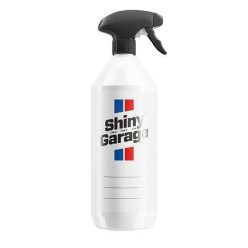
The Triggers & Bottles category covers durable sprayers and measuring bottles for safe chemical handling in car care. Choose the right nozzle (mist/stream, foaming) and match the thread size for compatibility. Options include clearly marked, chemical-resistant bottles—such as Shiny Garage—built for daily professional use.
Brief summary + key benefits
Triggers & Bottles make mixing, diluting and applying car-care chemicals simpler and safer. The right set delivers consistent output, even coverage and reliable sealing. You’ll find multiple volumes, clear graduations and nozzle types to match every task, while robust materials and quality seals cut the risk of leaks during daily professional use.
Technical Basics
Bottles are typically made from HDPE or PET. HDPE offers great chemical resistance and slight flexibility; PET provides higher clarity for easy level checks. Common thread standards are 28/400 and 28/410; thread match determines whether a trigger fits and seals correctly. Inside each trigger the dip tube ends with a small filter to reduce clogging. Seal materials include EPDM for water-based/alkaline products and Viton (FKM) for harsher, solvented or high-alkaline chemicals. Nozzles can be adjusted from mist to stream, while dedicated foaming heads inject air to extend dwell time.
Accurate dilution is aided by printed scales and ratio guides (e.g., 1:10, 1:20). Wall thickness and base design influence bottle stability and durability; textured grips improve handling with wet hands. Safety collars and drip-guards help prevent leaks in transit. Flow per stroke (ml/pump) and trigger travel affect productivity and fatigue.
Selection Criteria
Chemistry: pick Viton seals and HDPE bottles for acidic wheel cleaners or strong APCs; EPDM suits most interior cleaners. Nozzle type: adjustable mist/stream for general use; foaming for pre-wash and cling; fine mist for quick detailers and drying aids. Capacity: 500–1000 ml balances handling and refill frequency. Ergonomics: long, soft triggers and anti-slip necks improve comfort; 360° dip-tubes allow spraying upside down. Compatibility: verify the thread size (28/400 vs 28/410) before mixing brands to avoid leaks.
Labelling & safety: writable panels and blank labels prevent mix-ups. For hazardous chemicals choose heads with a child-resistant or lockable feature; for transport, close the nozzle and fit the original cap. Budget: EPDM triggers are economical; Viton and 360° systems cost more but last longer and reduce downtime.
Installation & Maintenance
Assembly: trim the dip tube to reach the bottom, then hand-tighten only—over-tightening can deform threads and seals. Use: prime with a few strokes and test with water to set the spray pattern. Cleaning: flush with clean water at the end of the day to prevent crystal build-up. Periodically inspect the O-ring and filter; soak in warm water if clogged. Storage: avoid pressure build-up, keep the nozzle closed and store away from heat and UV. Tip: dedicate separate bottles for acidic, alkaline and solvented products to avoid cross-contamination.
FAQ
Which seal material should I choose? EPDM for water-based/alkaline cleaners; Viton for strong alkalis or solvented products.
What’s the difference between 28/400 and 28/410? Cap height and thread pitch differ; always match bottle and trigger to the same standard.
Why use a foaming trigger? It creates clingy foam for longer dwell on vertical panels—ideal for pre-wash and APC.
My trigger leaks—what do I check? Verify thread size, inspect the O-ring and ensure the head isn’t over-tightened or cracked.
How do I dilute accurately? Use the bottle’s graduations or a measuring cup; add water first, then concentrate for better mixing.
