
Steel Weld-On Threaded Bungs are weld-in threaded bosses used to add a clean service port to a tank, housing or pipework in fuel, oil or coolant builds. Typical options include 1/8NPT–3/4NPT female threads and AN-4–AN-20 weld-on hose ports.
If you need a different fitting type, go back to Fittings and Threaded Adapters. Use the filters by size, sort the list by price, and open a product page from the title to confirm the exact spec. Pick the compatible thread and add the right option to your basket.
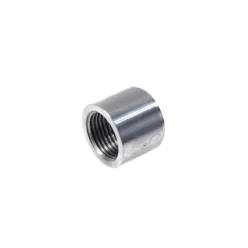
Net price: 3 €
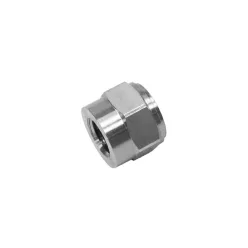
Net price: 3 €
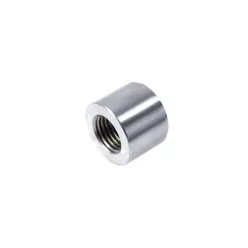
Net price: 3 €
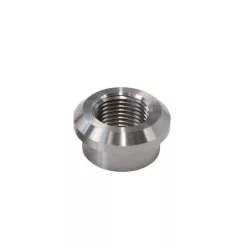
Net price: 8 €
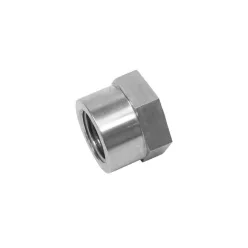
Net price: 3 €
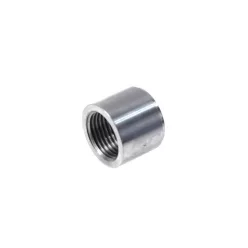
Net price: 3 €
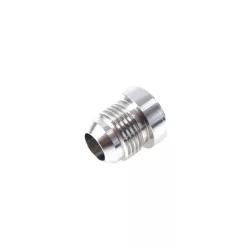
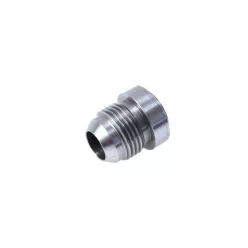
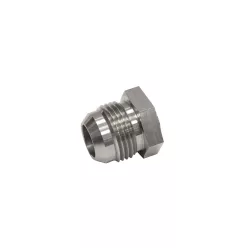
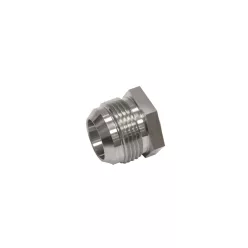
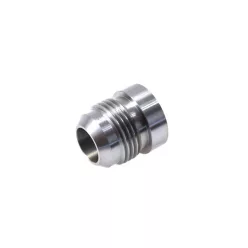
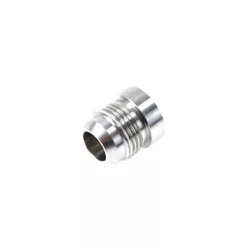
Steel Weld-On Threaded Bungs – NPT/AN ports for neat plumbing, reliable service access and flexible layouts
Steel Weld-On Threaded Bungs are a practical way to create a permanent welded service port where you actually need it, instead of adapting around an existing hole. They are commonly used as weld-on fittings (weld-in boss, threaded insert) in fuel, oil and coolant plumbing where packaging, hose routing and accessibility matter.
In this category you typically see NPT female bungs (for example 1/8NPT) and AN weld-on ports (for example AN-6, AN-10), with both steel and 303SS variants present. The product list also shows TURBOWORKS items, which can help if you prefer to keep fittings consistent within one brand family.
Technical Basics
AN ports use a 37° flare sealing principle, so the seal is made on the cone seat rather than on the thread. That means the condition of the mating surfaces is critical, especially on frequently serviced joints such as AN-8 or AN-10 lines.
NPT is a tapered thread form, so sealing is typically achieved on the thread itself; for ports like 1/4NPT or 1/8NPT you will usually rely on an appropriate thread sealant (PTFE tape/paste) and correct tightening. Over-tightening can damage threads or distort thin sections, so it is worth checking the component’s recommended practice before final assembly.
Material choice affects longevity: standard steel is a solid all-round option, while 303SS can be useful when corrosion resistance and long-term surface stability are priorities. Fitment and durability still depend heavily on the base material and weld quality, so always assess the whole joint, not just the bung.
Selection Criteria
Start by deciding whether you need a NPT threaded port for a sensor/adapter, or an AN weld-on port (for example AN-6) for hose-end plumbing. Many builds use AN for main feed/return lines and reserve NPT for instrumentation or auxiliary take-offs.
Size selection should match the rest of the system: AN-4 targets different flow and packaging needs than AN-20, and the bend radius and hose routing constraints change significantly. If you are unsure, read the marking on your existing hose ends and compare against manufacturer data before committing to welding.
The listing commonly spans 1/8NPT–3/4NPT and AN-4–AN-20, which helps you choose a port that fits both the job and the available space. Where brand consistency matters, the presence of TURBOWORKS options can make it easier to standardise across multiple fittings and adapters.
Installation & Maintenance
Preparation is everything: clean and degrease the area, then position the weld-on bung so the fitting can be installed and serviced without hose kinks. To protect the thread during welding, use a sacrificial AN fitting or a suitable NPT plug to reduce spatter and distortion risk.
After welding, pressure-test the assembly before it goes on the vehicle, especially for fuel systems. With NPT, apply the correct sealant; with AN, keep the flare seats clean and free from nicks so the 37° seal can do its job.
During periodic checks, inspect the weld area for cracking and the sealing surfaces for damage, particularly on joints that are frequently disconnected. If repeated service is expected, considering a 303SS option and careful assembly practice can help reduce long-term wear.
FAQ
What is a weld-on threaded bung used for?
It creates a fixed, welded threaded port on a tank, pipe or housing so you can attach fittings cleanly. You typically choose NPT (e.g., 1/8NPT) for threaded accessories and AN (e.g., AN-8) for hose plumbing. Always confirm the thread type and the mating fitting before welding.
Do I need sealant on an NPT bung?
NPT is tapered and often seals on the thread, so a suitable PTFE sealant is commonly used. The exact approach depends on the fluid and the component’s recommendations, so check the spec for your chosen 1/4NPT or 1/8NPT part. Avoid excessive tightening that can damage threads.
How do I choose between AN-6 and AN-8?
The AN size should match your hose ends and the system’s flow requirements: AN-6 is smaller, while AN-8 offers more cross-section. Check the markings on your existing fittings and align the bung with the rest of the line components. If in doubt, confirm against manufacturer data before welding.
Is 303SS better than steel?
Steel is a strong general choice, while 303SS can be advantageous where corrosion resistance and long-term stability are key. The best option depends on the environment, the fluid and the base material you are welding to. If compatibility is uncertain, compare material markings and consult the manufacturer’s guidance.
How can I weld a bung without ruining the threads?
Use a suitable NPT plug or a sacrificial AN fitting during welding, and keep heat input controlled. Tack the bung in place, then complete the weld in short sections to reduce distortion. After cooling, test-fit the matching AN-10 or 1/4NPT fitting before final assembly.
Narrow your selection by size and fitment, then add the right option to your basket.
