
In Siemens Fuel Injectors you’ll currently find 2 Siemens Deka options: a 630 cc/min injector for VW/Audi 1.8T 20V with plug-and-play fitment and an E85-capable listing, plus a 850 cc injector. Both are specified with an EV1 connector, so start by checking connector type and key sealing/length details on the product page. Use filters (status/price), sort the results, then open the product card to verify specs before purchase. Choose the injector that matches your setup and place your order.
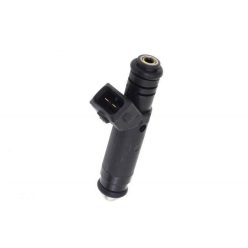
Net price: 55 €
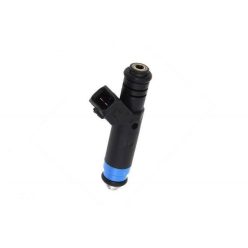
Siemens Fuel Injectors – Siemens Deka 630/850cc overview, EV1 compatibility and predictable fuelling
The Siemens Fuel Injectors page currently lists two Siemens Deka fuel injectors: a 630 cc/min option aimed at VW/Audi 1.8T 20V applications, and a larger 850 cc injector. With only a couple of items to compare, the safest workflow is to open each product page and confirm the part number and the specification lines before buying.
Both injectors are described as high resistance (high impedance) and use an EV1 connector, which is the first compatibility checkpoint for your wiring loom. Final fitment still depends on physical dimensions and O-ring seating, because even a small mismatch at the fuel rail or manifold seat can lead to leaks and unstable running.
Technical Basics
The 630 cc/min Siemens Deka listing provides static flow figures at 3 bar and 4 bar (630 and 727 cc/min), which is useful for comparing injectors on a consistent baseline. The same page also notes 12.6 Ohm impedance, Mototron Deka 4 type, and an EV1 connector, helping you match both electrical and mechanical expectations.
The 850 cc injector is described with 3 bar flow reference, EV1 connector and a single-hole spray design. It also includes clear length data: 74 mm overall height and 64 mm between the O-rings, which are key numbers for verifying rail/manifold spacing.
The 630cc option is labelled as plug-and-play for VW/Audi 1.8T 20V and the product text highlights E85 suitability. A short safety note: even with plug-style fitment, always check sealing surfaces and O-rings, because fuel leaks are a safety issue and not a tuning detail.
Selection Criteria
Choose between 630 cc/min and 850 cc based on your power target, fuel choice and how much injector duty-cycle headroom you want, then confirm your pump/regulator can support the required flow. The 630cc product page mentions 120 hp per cylinder as a guideline, but real needs depend on your pressure, AFR targets and calibration strategy.
For replacements, prioritise the part number (for example FI114961 or EP-EP-083) and physical fitment over selecting by “cc” alone. If your engine is VW/Audi 1.8T 20V, the plug-and-play positioning can simplify the choice, but still confirm EV1 connector type and the injector’s seating dimensions.
If you plan E85, the 630cc listing explicitly supports it, but you should also verify the rest of the fuel system is ethanol-safe (seals, lines, filter). For drivability, avoid oversizing without proper data: injector behaviour and ECU injector settings must align to keep idle and part-throttle clean.
Installation & Maintenance
Most post-install issues are sealing-related: inspect the O-rings, keep seats clean, and perform a pressure test after assembly. The 74 mm / 64 mm dimension set on the 850cc injector is the kind of information you should cross-check against your existing injector and rail before installation.
After swapping injectors, ECU calibration is commonly required, especially if you change size from 630 to 850. Watch fuel trims and drivability; large corrections can indicate missing injector data, but a mechanical issue (poor sealing or fit) can cause similar symptoms.
For maintenance, clean fuel and proper filtration help preserve consistent atomisation and stable fuelling. If the engine behaviour changes, check fuel pressure stability, the EV1 connector contact, and seals before assuming the injector itself has failed.
FAQ
Q: What does 630 cc/min @ 3 bar mean, and why is 4 bar also listed?
A: These are static flow references used to compare injectors at a defined pressure. If your base pressure differs, effective flow changes, so size injectors around your real pressure and targets.
Q: Why does the EV1 connector matter?
A: Connector type determines whether your wiring loom plugs in directly. If it doesn’t match, you’ll need the correct connector solution, and poor contact can cause misfires.
Q: Is the 630 cc Siemens Deka injector truly plug-and-play for VW/Audi 1.8T 20V?
A: The product listing is positioned that way, but you should still confirm dimensions and sealing for your specific rail/manifold. Tuning setup is often still required if you are changing injector size or fuel type.
Q: What does high impedance (high resistance) mean for an injector?
A: It describes the injector’s electrical load, which affects how it should be driven and configured. Use the product-page spec and match your ECU injector settings accordingly.
Q: What should I verify using the 74 mm and 64 mm dimensions on the 850cc injector?
A: They help confirm the injector will seat correctly between the fuel rail and manifold with proper O-ring compression. Incorrect seating can cause leaks and unstable fuelling.
Filter and sort, open the product page to confirm part numbers and dimensions, then order the right Siemens Fuel Injectors option for your build.
