
Protective equipment (body protectors) helps manage contact and repeated load around the elbow, knee and wrist areas while supporting cleaner movement in demanding motorsport use. In this category you will find solutions aimed at joint-area protection and more controlled support where the body meets hard surfaces and repetitive motion.
The right choice depends not only on protection, but also on free movement, strap layout and how the item sits with the rest of your racewear. Verify exact dimensions and specifications on the product card; in-stock items dispatch fast within the EU.
Before use, check the fixing points and make sure the protector does not migrate under load, because the impact zone needs to stay in the right place to work as intended.
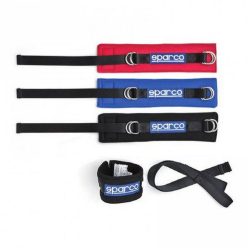
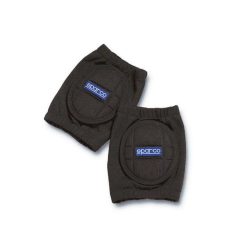
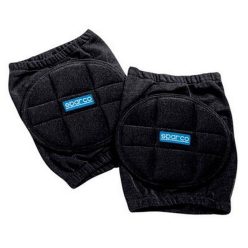
Protective Equipment for More Stable Fit and Joint-Focused Coverage
Joint support: these protective pieces for knee, elbow and wrist-area use are designed to help manage load and improve support feel without making movement unnecessarily awkward in the cockpit, paddock or service area. The right selection depends on body area, retention method and how the item works with your clothing layers.
Technical background
Load control: a protector works best when it offers more than a soft contact surface and also stays where it should during repeated movement. That is why shape, strap layout and the flex line of the relevant joint all matter together.
- Knee pads: a strong option when kneeling, threshold contact or tight lower-body movement is common, especially if you want the coverage zone to remain stable in a bent position.
- Elbow pads: useful where the arm often leans, brushes a hard surface or works in a confined space, provided the protector does not block natural arm bend.
- Arm restraint: around the wrist and forearm area, secure retention and comfortable range of motion need to work together so the setup feels controlled rather than restrictive.
- Fitment: the right piece should not create sharp pressure points, drift easily or bunch awkwardly against suit fabric, gloves or seat edges.
How to choose the right one
Quick selection guide: first decide which body area needs extra protection or support, then check whether the chosen type stays aligned when seated, bending the arm or bending the knee. In this category, the product card and actual construction matter more than the broad product name alone.
Range of motion: choose a model that still allows smooth pedal work, steering input and quick entry or exit. A good fit follows the joint through movement instead of sliding after it.
Retention: with strap-based designs, look at where the closure points sit because these influence long-session stability. If you wear the item with base layers or an overall, factor that in before ordering.
If you want to review the full related range first, FHR, Neck & Body Protection is the right starting point.
Installation and failure prevention
Positioning: set the protector in the body position where it will be used most, because the joint line can shift between standing and seated use. Tighten the straps gradually, then test full bend and light working load before final adjustment.
Layering: when used with racewear, check that the edges do not bunch the fabric and that seams are not pressed into sensitive points. This matters most around knees and elbows, where repeated flex quickly exposes poor placement.
Common issue: the most typical problem is incorrect position or overly loose strapping, because the protector can rotate or drop under load. The best prevention is a movement test immediately after fitting, followed by final strap adjustment only once the item stays stable.
PRO TIP: if you are between sizes, do not judge fit while standing only; sit down and move the arm or leg through its working range, because that shows real stability far better.
FAQ
Which type is for which use?
Knee pads are typically chosen for contact and support around the knee, elbow pads for arm-area protection where leaning or contact is common, and wrist or forearm restraint solutions where more controlled retention is part of the goal. The best choice depends on where repeated load actually occurs on your body.
Should it be worn over or under racewear?
That depends on the design and on clothing thickness. The important part is that the protector does not bunch fabric, create sharp pressure and does not drift once the straps are set.
What is the main difference between choosing knee pads and elbow pads?
For knees, bent-position stability and lower-body movement usually matter most; for elbows, free arm bend and contact management are the bigger priorities. In both cases the protector should follow the movement line rather than forcing it.
What should I check first if the fit feels wrong?
Start by confirming that the centre of the joint sits inside the intended protective zone. Then check strap tension and test the item seated, bent and through full movement. If it still rotates or creates pressure, a different shape may suit better.
Can I use it with racewear from another brand?
Usually yes, but fit is affected more by cut, layer thickness and wearing position than by branding. It is best to check the protector with the real clothing combination you plan to use.
