
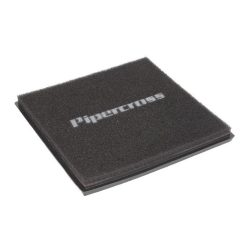
A panel air filter (replacement panel filter) sits inside the stock airbox and can improve airflow balance and serviceability without changing to an open intake. It suits builds that keep the OE housing but need accurate fit and a filter media choice that matches road, fast-road or trackday use.
Order by vehicle, engine, model year, facelift and airbox shape rather than brand name alone. Use the filters on the page, then confirm the frame profile, sealing lip and fitment notes on the product card. Verify exact dimensions and specifications on the product card; in-stock items dispatch fast within the EU.
To avoid problems, clean the airbox before refitting, check that the lid closes evenly and only use an insert that sits flat without twisting the edge seal. That helps maintain stable sealing and a cleaner airflow path.
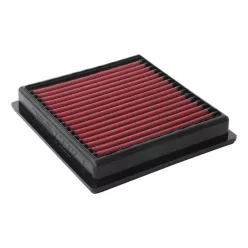
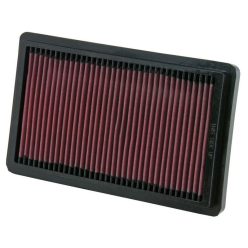
Net price: 86 €

Net price: 51 €
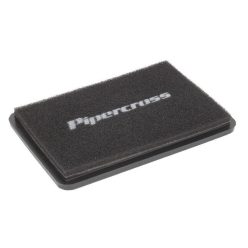
Net price: 35 €
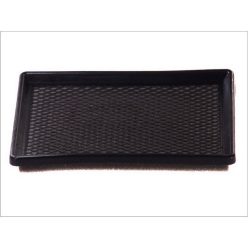
Net price: 35 €
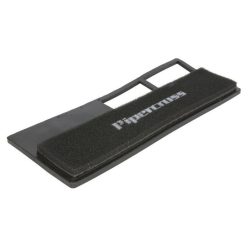
Net price: 35 €

Net price: 35 €

Net price: 35 €
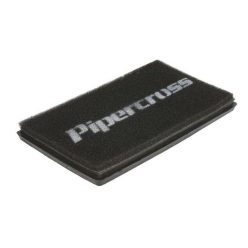
Net price: 35 €
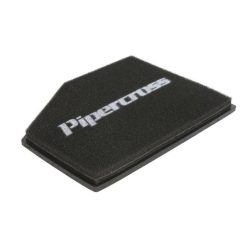
Net price: 35 €
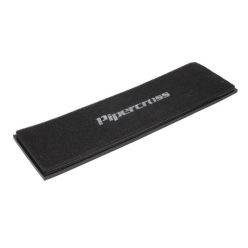
Net price: 35 €
Net price: 35 €
Panel Air Filters for Stock Airboxes and Stable Sealing
A stock-airbox panel filter works best when the filter area, frame height, sealing lip and housing geometry all match the engine layout together. That lets you retain the more protected OE routing while balancing airflow, filtration and serviceability according to the exact media design.
Technical background and system integration
Stock location: these inserts are made for the original airbox rather than for an open intake tube, so outer length and width alone do not tell the full story. Frame profile, depth and the way the lid compresses the seal matter just as much.
Filter media: depending on brand and part number, you may find oiled cotton, foam or dry synthetic designs. The right choice depends on service routine, driving environment and how sensitive the intake layout is to contamination or excess oil film.
Sealing lip: proper seating matters for more than dust control, because the lid and housing still need to maintain an even contact line as the system sees vibration and thermal movement. If the edge seal twists or rides out of its groove, air may start bypassing the media around the frame.
- Frame shape: flat, stepped, recessed and multi-plane designs can look similar in photos while fitting very differently in the airbox.
- Height: an insert that sits too tall can preload the lid, while one that sits too low may not clamp evenly around the full perimeter.
- Sensors: on MAF-based systems, service method and airbox cleanliness matter because residue or dirt can influence sensor behaviour.
- Use case: road, trackday and dusty-use vehicles may need different inspection habits, so do not rely on mileage alone.
How to choose the right one
Quick selection guide: narrow the list first by vehicle, engine, model year and facelift, then confirm the airbox shape and sealing-edge layout on the product card. If you want an open intake route instead, see Universal Pod Air Filters.
Product card: pay attention to fitment notes, because the same model range can use different airboxes across petrol or diesel versions, engine codes or facelift revisions.
Alongside any stated inch or mm dimensions, compare seal thickness and frame depth as well. A similar outer size does not automatically mean the insert will sit on the same plane inside the stock housing.
- Road cars: this style often suits drivers who want to keep the factory airbox, noise level and more protected intake packaging.
- Sensor-led setups: choose a design whose service method matches the maker guidance for the intake system.
- Mixed use: for road and trackday cars, a clearly documented part number usually makes later inspection and repeat servicing easier.
Installation and failure-prevention tips
Preparation: clean the airbox first, inspect the inner lid edge and check that no old debris, damaged clips or distorted clamping points are left behind. For servicing products, see Sport Air Filter Cleaning and Service Kits.
Seating check: place the insert into a dry, clean housing and run a fingertip around the full perimeter before closing the lid. Tighten or latch the cover in an even sequence so the frame does not shift or pinch on one side.
The most common problem is not the filter media itself but poor seating in the housing: the lid may feel uneven to close, part of the seal may roll over and a dusty trace or uneven discolouration can appear beside the frame. Accurate part-number selection, a clean housing and a full-perimeter seating check are the practical ways to prevent that.
PRO TIP: If more than one insert appears for the same model family, always verify engine, model year and facelift before ordering, because similar outer dimensions do not guarantee the same seal profile or frame height.
FAQ
What is the difference between a panel air filter and a pod filter?
A panel air filter stays inside the stock airbox, so the factory-style enclosure and air path remain in place. A pod filter is part of a more open intake layout, where tube size, packaging space and heat exposure become more critical.
What is the most common failure or installation mistake?
Start by checking the part number, whether the insert sits fully in its groove and whether the lid closes in an even sequence. After a short drive, reopen the housing and confirm that the edge seal has stayed in position all the way round.
Is vehicle brand enough to choose the right insert?
No. Engine type, model year, facelift and sometimes the airbox version itself can all change which insert fits correctly.
What should I inspect after first start-up or a short test drive?
Check that the lid fixings are still seated correctly, the seal has not moved and there is no dusty trace beside the frame. If anything looks uneven, remove the lid again and inspect the insert around the full perimeter.
When should I clean or replace the filter?
There is no single interval that suits every car, because dust load, road conditions and filter media type all affect service demand. Use the level of contamination, the maker guidance and the product-card maintenance notes as your decision point.
Filter the range by vehicle, engine and fitment details, then confirm the exact seating and service notes on the product card before adding the right insert to your basket.
