
An oxygen sensor spacer (lambda sensor adapter) is an exhaust fitting used to adjust sensor position, stand-off and installation angle in custom downpipes, sports-cat systems and repair work. In this category you will find spacers, weld bungs, plugs and other oxygen sensor installation parts for common exhaust layouts.
Choose mainly by M18x1.5 thread, overall length, angle and whether you are working with the first or second sensor position. Verify exact dimensions and specifications on the product card; in-stock items dispatch fast within the EU.
To avoid fitment issues later, check thread depth, the space around the sensor body and the routing of the lead so the sensor is not strained and the sensor position does not end up in an awkward heat zone.

Net price: 8 €
Net price: 7 €
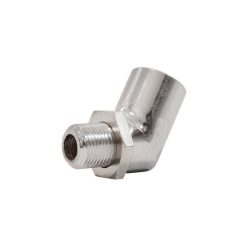
Net price: 7 €
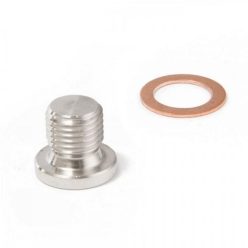
Net price: 3 €
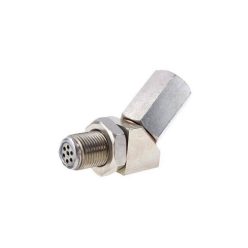
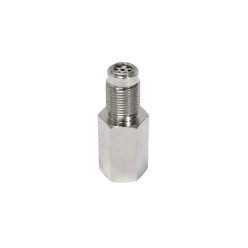
Net price: 10 €
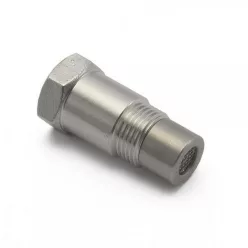
Net price: 9 €

Net price: 12 €
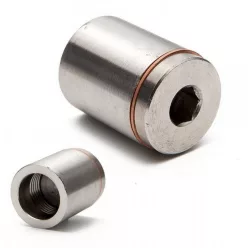
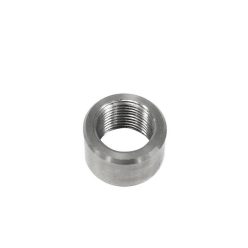
Net price: 5 €
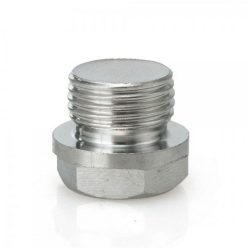
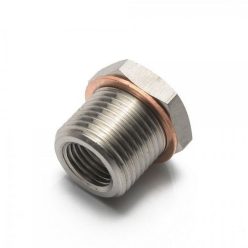
Net price: 4 €
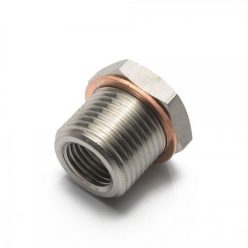
Net price: 5 €
Oxygen sensor adapters, spacers and bungs for custom exhaust work, repairs and sensor position tuning
This category brings together lambda-related parts that help manage sensor placement, threaded connection points and cleaner integration into a custom or modified exhaust. The better choice depends not only on thread size, but also on where the sensor sits in the system, how much space surrounds it, and whether service access, cable routing and heat protection remain sensible after installation.
Technical background and system integration
System role: An oxygen sensor adapter or spacer changes the relationship between the sensor and the exhaust stream, so it can affect fitment, local flow conditions around the tip and later service access.
Use cases: Straight, 45-degree, 90-degree or offset-style parts suit different situations, such as a tight tunnel area, a post-cat second sensor position or a custom downpipe that needs a cleaner mounting angle.
- Thread: M18x1.5 is common in this category, so always match it against both the sensor and the receiving port.
- Design: A spacer, relocator, plug and weld bung do different jobs, even when they look similar at first glance.
- Angle: Straight or angled designs influence how much room remains for the sensor body and the electrical connector.
- Mini-cat: A spacer with an integrated insert may create a different sensor environment on some systems, but the final result still depends on the full exhaust layout.
How to choose the right one
Quick selection guide: First decide whether you need a spacer for an existing sensor port, a weld bung to create a new mounting point, or a plug to close an unused threaded opening in a tidy way.
Product-card check: On a LEAF-style product list, compare thread, overall length, angle and whether the part is a simple spacer, a filtered version or a mini-cat design before ordering. If you are fabricating a custom downpipe, plan the weld-bung location and sensor angle first, because that decision often determines which spacer geometry remains usable later.
- Primary sensor: Here, quick response and stable installation usually matter more, so physical clearance should be checked very carefully.
- Secondary sensor: In a post-cat position, available space and the degree of offset often decide which form can realistically be used.
- Weld bung: When creating a new port, confirm that the sensor will still be removable with tools after welding and final assembly.
Installation and failure-prevention tips
Threaded joint: Before installation, inspect thread cleanliness, the sealing face and whether there is enough room for a sensor socket or spanner. Tighten the joint in a controlled, even manner and recheck after the first heat cycle in case the sensor position or joint tension has shifted.
Sensor position: During trial fitting, make sure the lead is not under tension, the connector does not sit against a heat shield or body panel, and the sensor will still be accessible for later replacement.
Common failure: A spacer that is too long, poorly aligned or not fully seated can create a conflict between sensor body clearance and the surrounding exhaust area, which may lead to blow-by, intermittent connection trouble or recurring fault codes. In that situation, it is worth rechecking not only the spacer type but also thread engagement, connector position and the natural route of the sensor lead.
PRO TIP: Before final tightening, thread in the sensor and the adapter separately by hand first, because this quickly shows whether the thread is clean and whether real tool access remains around the hex.
Should I choose a straight or angled oxygen sensor spacer?
A straight design is usually easier when there is enough room around the sensor body and the cable exit is unobstructed. An angled spacer can help in tighter areas where the floor, heat shield or a pipe bend would make a straight version too tall.
Is a mini-cat spacer or a plain spacer the better option?
A mini-cat style can create a different local environment for the sensor on some systems, while a plain spacer mainly changes geometry and stand-off. The better direction depends on the exhaust design, sensor position and the space available around the port.
How do I know the thread will match?
Always compare the thread specification on the product card with both your sensor and the receiving port. On older, modified or mixed-brand systems, it is wise to inspect pitch and seating face rather than relying on naming alone.
What is the most common failure or installation mistake?
Check separately that the thread starts smoothly by hand, the part seats fully, tool access to the sensor hex remains available and the lead runs without tension. Then, after a cold start, inspect for blow-by marks and confirm that neither the sensor nor the adapter has shifted after the first heat cycle.
Do I need a weld bung, or is the existing port enough?
If the system has no suitable threaded point, or the existing one sits at a poor angle with awkward access, a weld bung can provide a cleaner starting point. If the original port is sound, accessible and sensibly positioned, a matching spacer or plug may be all you need.
Once you have confirmed the thread, angle and available space, use the product card to verify the full geometry and choose the adapter, spacer or weld bung that fits the build cleanly.
