
MOMO steering wheels for road and motorsport: 320–350 mm diameters, flat and deep-dish options, in leather or Alcantara. Iconic three-spoke classics and modern drift/rally styles using the proven 6×70 mm pattern. Choose the diameter and dish to match your driving position, then pair with the correct hub/quick release for precise fitment and control.


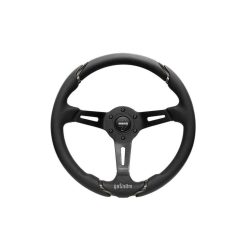
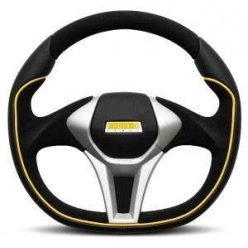


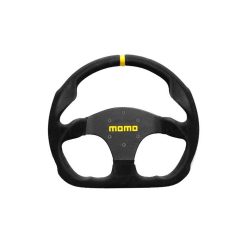


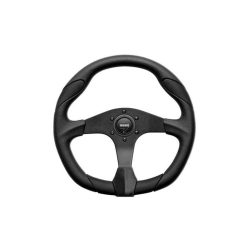
Brief summary + key benefits
MOMO steering wheels are a benchmark for performance and premium road builds. Rigid aluminium frames, precise rim shapes and carefully stitched leather/Alcantara grips deliver feedback and control. Typical options cover 320–350 mm diameters, flat and deep-dish designs and the proven 6×70 mm bolt pattern for straightforward hub compatibility.
Technical Basics
Diameter: 320–350 mm—smaller feels quicker and sportier; larger offers finer, more relaxed inputs. Dish: flat (0–15 mm) or deep (≈60–95 mm). Deep dish brings the rim closer, useful with race seats and rearward seating positions.
Construction: high-strength aluminium spokes with foam-formed rims, wrapped in leather or Alcantara. Leather is durable and easier to clean; Alcantara provides maximum grip, especially with gloves.
Pattern: the classic 6×70 mm “MOMO pattern” mates with many hubs and quick releases—verify hub taper and centring for a precise fit.
Ergonomics: spoke geometry, thicker rims and a 12-o’clock centre marker aid orientation. Drift/rally styles prioritise grip and rapid hand transitions.
Selection Criteria
Use case: daily road cars work well with 330–350 mm and near-flat rims; track/drift builds benefit from 320–350 mm, thicker rims and deep-dish designs.
Finish & feel: choose leather for practicality and longevity; Alcantara for maximum traction with gloves. Perforations help ventilation in heat.
Fitment: you’ll need the correct hub (boss kit) for your car and, optionally, a quick release. With airbags, follow local regulations—removing airbags for road use is generally discouraged.
Positioning: tune the seat–wheel–shifter triangle together. Deep dish can reduce the need for column spacers, but check stalk reach and cluster visibility.
Installation & Maintenance
Install: disconnect the battery and allow airbag systems to discharge. Remove the OE wheel as per manufacturer guidance. Seat the hub fully, torque fasteners to spec and apply threadlocker. Centre the wheel and verify horn/controls.
Care: pH-neutral cleaners/conditioners for leather; gently brush Alcantara fibres and avoid over-wetting. After track use, air out the wheel to prevent sweat buildup.
Checks: periodically verify bolt torque, quick-release play and grip covering condition. Any creak, twist or cracking requires immediate attention.
FAQ
320, 330 or 350 mm?
320–330 mm for tight cabins and quick inputs; 350 mm for touring and smoother control.
Flat vs deep dish?
Deep dish brings the rim closer—ideal with race seats. Flat keeps OE-like reach.
Is Alcantara OK daily?
Yes, with more care; leather is lower-maintenance for everyday use.
Will any 6×70 hub fit?
The pattern usually matches, but hub taper/centering differ—follow wheel and hub fitment charts.
Airbag legality?
Laws vary; removing airbags for road use is generally not recommended. For competition, consider an approved quick release and safety gear.
