
Mechanic & paddock shoes (pit shoes) are built for moving between the workshop, pit lane and paddock, with a lighter feel, more natural walking flex and details that can help during long periods on your feet or repeated kneeling. The current range focuses on Sparco Torque colourways, typically in EU 37-47.
Choose your pair by checking the size range, upper breathability, toe-area reinforcement and whether you need them mainly for paddock walking or hands-on workshop use. Verify exact dimensions and specifications on the product card; in-stock items dispatch fast within the EU.
For prevention, fine-tune the lacing and heel hold before the first full day of use, because a loose fit can increase heel movement and speed up internal wear. Use the filters by size, then open the product card to confirm the exact details.

Net price: 86 €

Net price: 86 €
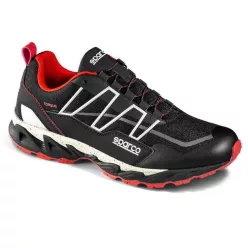
Net price: 86 €
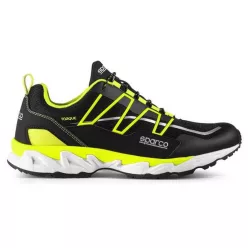
Net price: 86 €
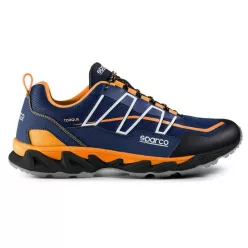
Net price: 86 €
Mechanic & Paddock Shoes for Workshop, Pit Lane and Paddock Use
These workshop- and pit-oriented shoes are designed around walking, standing, carrying kit and frequent movement around the car rather than pure pedal feel. The current assortment is centred on Sparco Torque colourways, so the best choice usually comes down to real-use fit, your foot shape and how demanding your day in the workshop or paddock will be.
Technical background and system integration
Upper: In this category, a lighter and better-ventilated upper matters because workshop and paddock use often means repeated walking, stop-start movement and long periods on hard surfaces. The product card is the right place to check whether the build is more mesh-focused, more closed or a mixed construction.
Outsole: The job of the sole here is not race-car pedal feedback but steadier walking, smoother transitions and grip that suits workshop and paddock surfaces. On some models, the outsole may be described as more resistant to wear, oil or splashed contaminants, but that should always be confirmed on the individual product card.
Toe area: A reinforced toe zone and coated wear area are especially useful when kneeling, lifting equipment or moving constantly around the car. The aim is to slow down abrasion in high-contact zones and help protect the upper, not to make a blanket claim across the whole category.
- Breathability: Can help reduce heat build-up and internal moisture during longer sessions on your feet.
- Cushioning: Heel and underfoot support may help spread repeated load, especially on concrete or paddock flooring.
- Mobility: A more natural walking flex can make quick movement between the pit, trailer and working area easier.
How to choose the right one?
Size: The right fit leaves some toe room even with thicker work socks, while the heel still stays planted during steps, crouching and quick direction changes. Since this range is typically available in EU 37-47, final fit should always be judged from the product card and a realistic first try-on.
Use case: If your day involves lots of walking, carrying wheels, moving tools and standing for long periods, walking comfort and upper ventilation may matter most. If your work is shorter but more hands-on, reinforced wear zones and a sturdier toe area can become the priority.
Quick selection guide: If you actually want a thinner-soled driving shoe for race use, the broader racing shoes parent category is the better starting point. If your day is built around walking, wrenching and kneeling, this category is the more relevant match.
Installation and failure-prevention tips
First wear: Do more than stand in them for a few seconds; walk, crouch, step onto a low edge and check how the heel behaves. A shoe that sits correctly during those movements is more likely to wear evenly and feel settled during a full workshop or paddock day.
Lacing: If the laces are too loose, the foot can slide forward; if they are too tight, the instep may be loaded unnecessarily. Aim for even hold during walking and kneeling without over-compressing the top of the foot.
Common wear issue: If the shoes are worn too loose and you repeatedly load the front edge while kneeling or carrying kit, the coated toe area and upper can wear faster than expected; early signs include front-edge scuffing, internal heel slip or uneven outsole marking. Correct sizing, balanced lacing and using the shoes for the job they are meant for usually helps keep wear more predictable.
Care: Workshop dust, rubber debris and damp dirt tend to settle around seams and flex points, so regular cleaning with a soft brush or lightly damp cloth is worth doing. Avoid aggressive solvent-based cleaning and let the shoes dry naturally at room temperature.
PRO TIP: If you are between two close sizes, decide by heel retention and flex while kneeling rather than by toe length alone; for mechanic and paddock use, that often matters more than how the shoe feels during a brief standing try-on.
FAQ
How are mechanic & paddock shoes different from racing shoes?
Racing shoes are primarily built for driving, usually with a thinner sole feel and a shape tuned around pedal work. Mechanic and paddock shoes are aimed more at walking, standing, moving around the car and protecting wear-prone zones during workshop tasks.
What is the most common failure or installation mistake?
Run a four-point check during the first days: the heel should stay planted on steps, the toe box should not pinch when crouching, the laces should not dig into the instep, and the sole should not roll noticeably in or out while walking. If any of those points are wrong from the start, a different size or cut is usually the better solution.
How do I know the size is right?
A good fit leaves a little room in front of the toes even with thicker socks, but the heel does not lift. The best test is a few minutes of walking, turning and kneeling without slip or pressure points developing.
What should I check on the product card?
Look at the exact size range, upper construction, any reinforced wear zones and the outsole notes. If the model includes a specific rating, certification or use note, it should be read at product level rather than assumed across the whole category.
What inspection checklist should I use after the first week?
Check the outsole wear pattern, the inner heel lining, the condition of the toe area and the lace eyelets. If one side is wearing noticeably faster than the other, that often points to a fit issue or a repeat movement pattern worth correcting.
