
A Lexus performance intake system (airbox kit) is a model-specific inlet-side assembly that manages pipework, filter position and connection layout as one package. On this page you will find model-specific solutions for selected IS, RC, GS and NX applications, so the right choice starts with engine, model year and the original under-bonnet routing rather than model name alone.
Start with engine code, sensor position and pipe path around the headlamp, battery and covers. A large part of failure prevention is stress-free fitment, meaning the pipe should not pull a joint sideways and the filter should not end up in an unnecessarily hot or splash-prone area.
Verify exact dimensions and specifications on the product card; in-stock items dispatch fast within the EU.
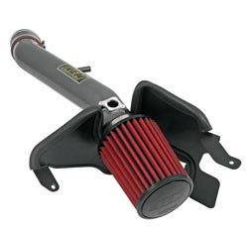
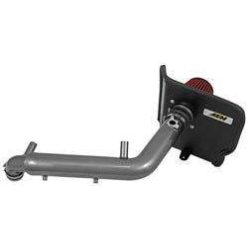
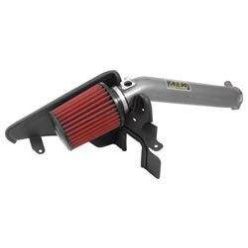
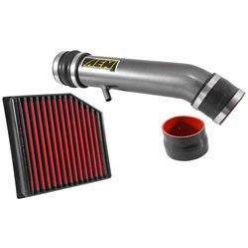
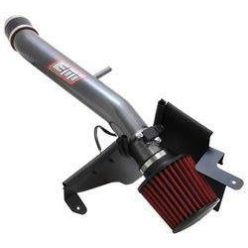
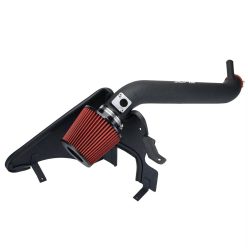
Net price: 235 €
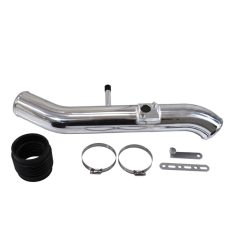
Net price: 90 €
Lexus Performance Intake Systems & Airboxes: Model-Specific Intake Side Kits
A Lexus intake-side kit (performance intake system) is not only about replacing the filter; it is about vehicle-specific fitment, controlled pipe routing and keeping the surrounding engine-bay parts in a workable relationship with the intake path. That matters in this category because the current range spans several different Lexus platforms, from earlier IS250 applications to 2.0 turbo IS, RC and GS models, plus NX200t fitments.
Technical background and application range
Application range: the current Lexus selection includes kits for different IS, RC, GS and NX variants, so it is not enough to filter by brand alone. Engine type, generation and original inlet-side layout all affect whether a given system is realistically suitable for your car.
System logic: a complete intake system works best when the pipe follows a natural route, the clamp sits on a proper surface, the sensor connections stay relaxed and the filter position does not create unnecessary compromise around the surrounding hardware. In Lexus engine bays, covers, lamp housings and wiring layout can make trial fitment especially important.
- Current range: the Lexus category currently shows 7 products, including AEM, SLIDE and PRORACING intake systems.
- Brands: the mix includes more traditional aluminium-pipe layouts as well as washable-filter AEM systems, so the smarter decision usually comes from fitment logic rather than brand name alone.
- Models: the visible range covers selected IS250, IS350, IS200t, RC200t, RC300, RC350, GS200t, GS300 and NX200t applications, which makes the product card a key fitment step rather than a final afterthought.
How to choose the right one
Quick selection guide: narrow the choice by Lexus model, engine and model year first. In this category it helps to separate earlier IS250 applications from 2014-on IS250/IS350 fitments, the 2.0 turbo IS200t-NX200t line, and the related RC and GS versions before comparing brands.
Product card: because there is no deeper subcategory on this Lexus page, the safest way to close the decision is to compare the listed application, connection points and original intake routing on the product card with your own car. That step matters because similar-sounding model names can still mean different space claims and pipe geometry in the engine bay.
- Engine code: work from the car's own data, not only the badge, because closely related Lexus variants may still use different inlet-side layouts.
- Engine bay: check available space around the headlamp housing, plastic covers, battery and wiring loom so the kit does not end up sitting under preload.
- Connections: confirm where sensors, breather or vacuum lines sit, because sideways pull at those points can later affect sealing consistency or introduce vibration.
When two nearby options still look similar, the parent-category filtering logic is a practical way to refine by application first and brand second.
Installation and failure-prevention tips
Trial fitment: before final tightening, loosely assemble the full system and check that the pipe follows a natural line, the filter does not touch surrounding parts and the clamp sits fully on the joint. That helps the system do more than simply bolt on; it helps it stay predictable after heat cycles and normal engine movement.
Common issue: one part of the kit may line up neatly while a small twist or side load remains elsewhere; once the system sees thermal movement, that can rotate a joint, create vibration or leave a dust trace near the clamp. The best prevention is to tighten only after the final position is confirmed and to make sure neither the pipe nor the filter is resting under tension against another part of the engine bay.
degrease using a manufacturer-recommended cleaner, then allow to dry completely before applying load/boost
Re-check: after a short road test and one heat cycle, inspect clamp position, clearance to bodywork and whether engine movement has shifted the pipework into a new position.
PRO TIP: in tighter Lexus engine bays, it is often faster to find the final filter or enclosed housing position first, then rotate the pipe sections to suit it.
FAQ
Which Lexus intake system fits my car?
The correct choice comes from model, engine, year and the original intake-side layout together. This page combines several different Lexus applications, so always compare the listed compatibility on the product card with your car's actual data.
Is an open-style setup or a more enclosed intake layout better?
That depends on the engine-bay layout and how the car is used. The better option is usually the one that asks for fewer compromises in routing, heat exposure and stress-free joint positioning.
What is the most common installation mistake in this category?
Use a short inspection list: confirm the clamp sits fully on the joint, the pipe is not pulling the coupler sideways, the sensor wiring is not under tension, the bonnet leaves no contact mark and the fit remains unchanged after a test drive.
How can I tell the system is sitting correctly?
Check the clearances when cold and again after reaching operating temperature, listen for unnecessary changes in intake note and inspect the clamp area for rotation marks or uneven dust traces. That gives a quick read on real-world fitment quality.
Should I re-check the system after installation?
Yes, it is worth inspecting the clamps, filter position and pipe route again after brief use. That is usually when small changes caused by heat and engine movement become visible.
