
Intercom systems (in-helmet comms) are motorsport communication units that help the driver and crew exchange clear audio inside a noisy cockpit. This category includes digital amplifiers, headset kits, Nexus adaptors and helmet microphones, so the right choice depends mainly on helmet style, connector layout and use case.
Open-face and full-face helmets may need different headset layouts, and Sparco or Peltor compatibility should always be checked on the product card. Verify exact dimensions and specifications on the product card; in-stock items dispatch fast within the EU.
For clean speech, connector layout, cable routing and microphone position need to match the helmet and the rest of the system; that helps reduce weak, noisy or intermittent audio on stage or circuit.
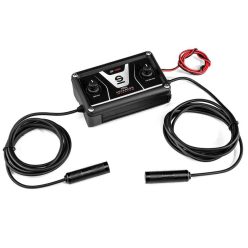
Net price: 202 €
Net price: 159 €
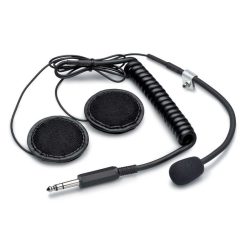
Net price: 80 €
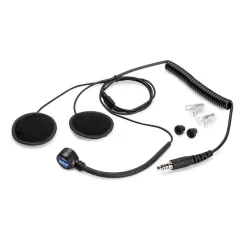
Net price: 127 €
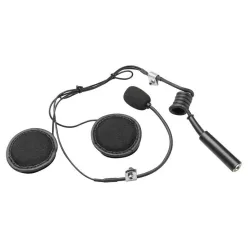
Net price: 84 €
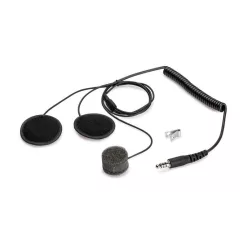
Net price: 190 €
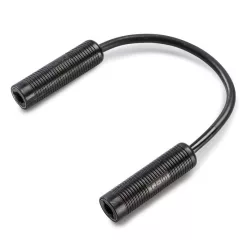
Net price: 103 €
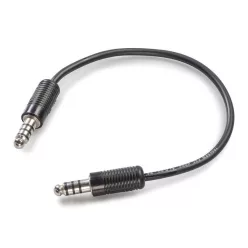
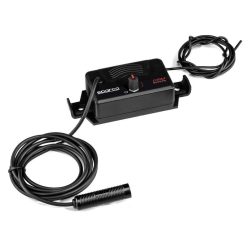
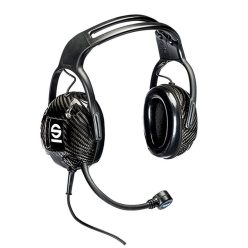
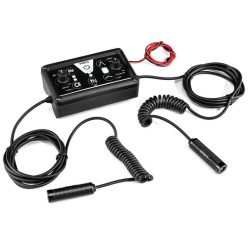
Net price: 475 €
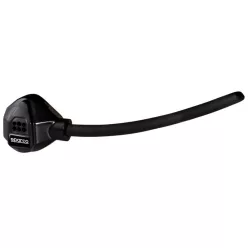
Sparco Noise Cancelling Microphone, Compatible with PRIME RJ-9i, SKY RJ-7i, AIR PRO RJ-5i - 00537035
Net price: 120 €
Intercom Systems & Accessories for Clear In-Helmet Communication
Helmet comms: these helmet communication kits and related components support the audio link between driver, co-driver or pit crew, while cable routing, connector choice and helmet interior layout all influence speech clarity. The range includes amplifiers, headset kits, adaptors, microphones and car-to-pit units, so selection is driven by fitment logic as much as by price.
Technical background and system integration
System role: the intercom unit manages the speech signal, the headset provides in-helmet audio, and the adaptor helps different connector layouts work together. In a race car, vibration, wind noise and engine noise mean microphone placement and protected cable routing can matter just as much as the electronics themselves.
- Amplifier: a digital intercom amplifier suits builds where you are adding or upgrading the main communication unit within an existing helmet setup.
- Headset: open-face and full-face helmet kits may differ because chin bar shape, liner depth and speaker position are not arranged the same way.
- Adaptor: with Nexus parts, male-male or female-female format determines whether the existing loom can be connected physically and logically.
- Microphone: a helmet microphone tends to work best when it sits close to the mouth without being pressed constantly against the lips or the liner.
How to choose the right one
Quick selection guide: first decide whether you are building a complete communication chain or replacing a single component in an existing setup. Once the amplifier is already chosen, helmet style, connector gender and stated compatibility usually decide whether you need a headset kit, an adaptor or a microphone.
Helmet type: open-face helmets often need a different microphone arm and speaker arrangement from full-face helmets, so the product card should confirm the intended use. You are usually on the right track when the ear area, liner thickness and cable path near the HANS do not pinch the components.
Connector logic: with Sparco- or Peltor-based setups, brand name alone is not enough; connector type, pin layout and adaptor direction also matter. This is especially important with Nexus parts, where male-male and female-female versions solve different connection problems.
If you want to review the full helmet range first, Helmets & Accessories is the right starting point.
Installation and failure-prevention tips
Cable routing: run the wiring through the helmet liner with a little movement allowance for head motion and vibration, but without leaving sharp bends near the helmet edge. A simple strain-relief point near the exit can reduce load on the connector housing instead of the wire itself.
Power supply: with amplifiers and car-to-pit units, stable power, clean connector faces and secure mounting can reduce intermittent noise. Before final fixing, test the whole chain at standstill: amplifier, headset, microphone, adaptor and main lead.
Common issue: the most frequent problem is often not the electronics but a mismatched connector, a microphone placed too far away or a cable bent too tightly; this usually shows up as low, crackly or intermittent speech. You can reduce the risk by checking helmet type, connector direction and cable path separately before the setup is fixed in place.
PRO TIP: if you remove the helmet often, leave a short and tidy service loop before the connector, as this can be kinder to the wire and makes quick reconnection easier in the paddock.
FAQ
Should I choose an open-face or full-face headset kit?
Headset kits can differ in microphone arm shape and speaker placement according to helmet design. Open-face helmets often suit a different microphone layout, while full-face helmets need the components to work around the chin bar and tighter interior space. The product card should confirm the intended helmet type.
What is the difference between a digital amplifier and a car-to-pit system?
A digital amplifier is usually the core unit of the in-car helmet communication chain, while a car-to-pit solution extends communication between the vehicle and the outside crew. The right choice depends on whether you are improving internal helmet comms only or adding external team contact as well.
Do I need a separate Nexus adaptor for my existing setup?
Not always, but you do when the existing lead has a different connector gender or layout from the new component. Check the product card carefully to confirm adaptor direction and stated compatibility with your current system.
What is the most common failure or installation mistake?
Start by checking connector gender and layout, then confirm the microphone sits beside the mouth rather than too high or off-axis. After that, inspect whether the liner or HANS is pinching the cable, and test the headset, adaptor and amplifier one by one. This usually shows where the communication chain is being interrupted.
Can I use a different helmet brand with my existing headset?
Often yes, but the answer depends more on interior shape, speaker recess space and connector compatibility than on shell branding alone. Even when a product is listed for multiple systems, it is still worth confirming both the connector format and the recommended helmet application on the product page.
