
The HEL brake lines category covers braided brake hoses, brake lines and hydraulic connection components (hydraulic brake lines) for motorsport, tuning and workshop builds.
Choose by brake lines fitment, vehicle or system data, part number and installation environment; product images are secondary to product-card data. If several variants are listed, start with the measured component and confirm thread, bore, diameter, material or connector standard before adding to basket.
Verify exact dimensions and specifications on the product card; in-stock items dispatch fast within the EU. Use manufacturer data before load, heat or road use to reduce mismatch, stress, vibration or sealing risk.
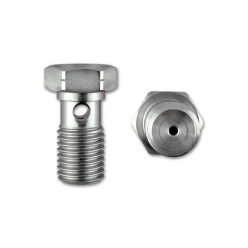
Net price: 9 €


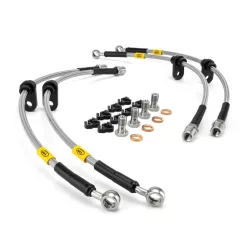
Net price: 123 €
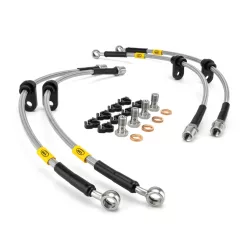
Net price: 123 €

Net price: 9 €
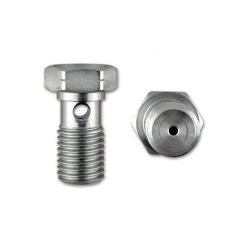
Net price: 9 €
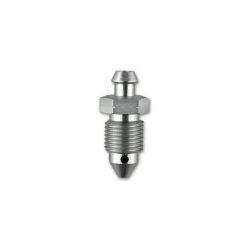
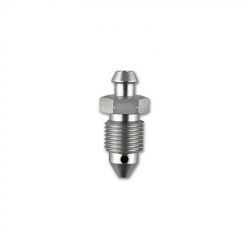
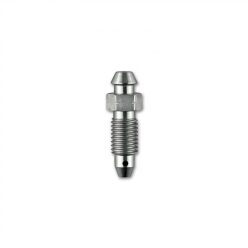


HEL Brake Lines - selection guide and system role
HEL range: This brand page groups braided brake hoses, brake lines and hydraulic connection components for hydraulic brake lines and performance builds. The useful decision is not the logo alone; size, part number, material, connector standard and vehicle compatibility need to support the same build goal.
Technical background and system integration
System role: Brake lines manage fuel, oil, coolant, air or boost paths where routing, connection standard and sealing surface are critical. Good selection supports stable flow and component protection while allowing thermal movement.
- Measurement: check size, bore, thread, diameter, connector, mounting point or other relevant fitment data on the product card.
- Load case: match the item to street, track-day, drift, rally, drag, overland or workshop use without assuming universal ratings.
- Compatibility: compare vehicle version, engine or system code, and manufacturer part number before ordering.
- Material: evaluate finish, coating, sealing surface, thread form or medium compatibility only from exact product data.
How to choose the right one
Quick selection guide: Start from the vehicle or system data, then filter by the main job of the brake lines. This brand page has no separate internal subcategory link in the import file, so use the product card, filters and exact part number as the final decision point.
- Fitment: confirm vehicle, engine, chassis, connector or body version before relying on the brand name.
- Specification: compare dimensions, part number, material, finish and service notes with the existing component.
- Use case: choose for road, track, race, detailing, workshop or paddock use according to the real operating environment.
Installation and failure-prevention tips
Installation baseline: Check the thread type, hose size, clamp position and sealing surface before assembly; for hose, fuel, coolant or charge-air joints, degrease using a manufacturer-recommended cleaner, then allow to dry completely before applying load/boost. Avoid universal torque, pressure or temperature assumptions; leave room for heat movement, vibration and service access where the exact part requires it.
Common issue: mixing thread standards, hose sizes or sealing styles can create seepage, vacuum leaks or unstable pressure behaviour; a typical symptom is fuel smell, coolant trace, oil film, boost leak noise or unstable readings. Reduce risk by measuring the original part, matching the part number and test-fitting before load.
After installation or first use, inspect routing, hose contact, sealing face, clamp position and any fluid or air leak trace. If something does not match, stop before full load and re-check the product card, manufacturer documentation and the surrounding components.
PRO TIP: When two HEL items look similar, choose by measurable data, fitment and use case rather than the shortest product name.
FAQ
Which HEL product should I choose first?
Start with the vehicle or system data, then confirm size, part number and compatibility on the product card. If several items look similar, use the planned use case to narrow the choice.
What is the most common failure or installation mistake?
Use a simple checklist: part number, measured size, connection point, mounting location and vehicle data. If one item is missing, do not infer fitment from the brand name alone.
How do brake lines differ from general motorsport parts?
Brake lines must match the medium, connection standard and routing path. General motorsport parts may be chosen mainly by mounting or vehicle fitment.
How do I check compatibility before ordering?
Go step by step: vehicle data, system data, size, part number, connection standard and product-card notes. On modified cars, also measure the existing component.
What should I do if the exact version is unclear?
Collect the vehicle details, current part dimensions and the selected product number. This makes it easier to confirm whether the selected HEL item is the right direction.
