
HANS and FHR devices (nyakvédők) are shoulder-supported restraint systems that work with the helmet to help control forward head movement and manage load paths in an impact. In this category, different angle and size variants are relevant, so seat position and helmet compatibility should be checked together rather than separately.
The right choice depends mainly on angle, shoulder fit, body shape and the geometry of the seat you actually use. Verify exact dimensions and specifications on the product card; in-stock items dispatch fast within the EU.
Use the size filters first, then confirm the exact version on the product card. As a preventive step, choose a setup where compatibility between helmet, seat position and shoulder-belt path is already clear before purchase.
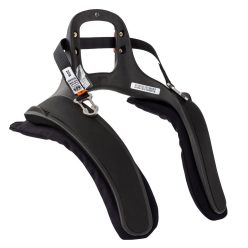
Net price: 335 €
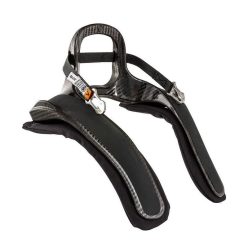
Net price: 1 471 €
Net price: 944 €
Net price: 944 €
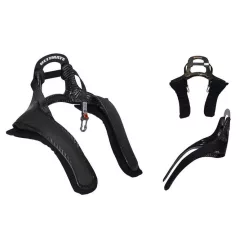
Net price: 1 212 €
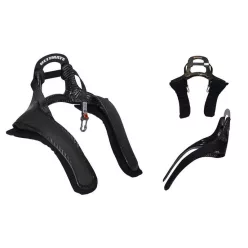
Net price: 1 212 €
HANS and FHR Devices: Controlled Head Motion and Seat-Geometry Matching
Function: these HANS / FHR systems, effectively head and neck restraint devices, are intended to work with the helmet and harness so forward head motion feels more controlled and the load path is guided toward the shoulders. The right product is never a standalone choice; it performs best when helmet, seat, shoulder belts and driver build all suit the same geometry.
Technical background and system integration
Load path: the key idea behind a HANS / FHR device is that helmet anchor points, tether layout and the shoulder-supported body work together under higher deceleration. That is why price or product name alone is not enough; what matters is how cleanly the device sits on the shoulders, how stable it feels on the upper torso and how naturally it connects to the helmet.
Angle and seating position: different angle variants can suit different seat-back positions and torso attitudes. A version that feels natural in a more upright seat may behave differently in a lower or more reclined driving position, changing shoulder contact, tether routing and overall head-movement feel, so angle choice should always follow the real cockpit layout.
System compatibility: the helmet anchor arrangement, shoulder-belt path, seat support and driver shoulder width all need to align for the setup to feel coherent. The Sparco options in this category may differ in weight feel, material and design details, so the final decision should come from the exact product card rather than the category name alone.
- Size: a width mismatch can affect shoulder contact and the stable feel of the full setup.
- Angle: the variant that better matches your seating posture usually gives a cleaner overall fit.
- Helmet link: only plan around combinations where the helmet and tether system can actually be configured together correctly.
How to choose the right one
Quick selection guide: because this page lists the actual HANS / FHR products, start with your real seating geometry and use case: how reclined the seat is, how the shoulder belts enter, which helmet you use and whether you want a lighter or simpler construction. Then filter by size and confirm the exact version on the product card.
Size: the correct size should sit on the shoulders with a stable, settled feel rather than rocking, riding too high or forcing an awkward upper-body posture. If the device sits too close to the shoulder edge or the harness does not rest on it cleanly, another size is worth checking.
Angle: do not choose the angle from a generic rule alone. The driving position, seat-back angle and shoulder-belt entry point together show which version feels more natural and which gives a tidier, more repeatable harness path.
Product card: this category includes multiple Sparco FHR solutions, so always confirm the exact specification sheet, size range and construction details before deciding.
If you want to compare the full protection setup first, it is worth reviewing the broader parent category as well, because it makes it easier to see whether you need an FHR device, body protection or both.
Installation and failure-prevention tips
Initial fitting: always set the device up in the full configuration you will actually use, with the real helmet, fastened belts and true seating position. A setup that seems acceptable while standing can feel very different once you are strapped in and the shoulder belts are fully tensioned.
Common issue: when the chosen size or angle does not match the seating position and shoulder-belt route, the device may not sit cleanly on the shoulders, tether alignment can become less settled and the whole system may feel awkward or unstable; the best prevention is a real seated test with the helmet on and the harness fully tightened.
Harness path: check how the shoulder belts pass across the device and make sure there is no twist, half-seating or tendency for the webbing to walk away from the intended surface. The goal is not to make the system merely feel tighter, but to achieve a clean and repeatable geometry every time.
Condition check: on used or frequently handled equipment, inspect the tether, connection points, visible surface damage and any wear marks. If any part feels unusually loose, worn or suspiciously stressed, it is worth checking the manufacturer guidance before further use.
PRO TIP: the best choice is usually not the one that feels nicest while standing, but the one that gives calm shoulder contact and a clean harness route when you are fully strapped into the real driving position.
FAQ
What is the difference between different HANS / FHR angle versions?
Different angle variants generally suit different seat-back positions and torso attitudes. The better choice is the one that sits more naturally on your shoulders, keeps tether routing tidy and supports a calmer head position in the actual cockpit.
What is the most common failure or setup mistake?
Start by checking whether the device sits evenly on both shoulders. Then confirm that the shoulder belts are not twisted, the tether moves freely, the helmet anchor points connect correctly and the setup remains calm through full steering and head-movement checks.
How do I know the size is correct?
The correct size feels settled on the shoulders without rocking excessively or forcing an awkward upper-body position. If the edges sit too close to the outer shoulder or the whole system keeps shifting, a different size is usually the next step.
Can I use it with any helmet?
Not every helmet is equally suitable for this type of setup. Helmet anchor provision, connection method and the geometry of the complete system together determine whether the combination is a sound starting point.
What quick checklist should I follow before first use?
Check size, angle, shoulder contact, clean shoulder-belt routing, free tether movement, helmet connection and whether the setup still feels composed when you are fully belted in and moving your head through a realistic driving range.
