
Fuel Pressure Regulator Parts & Accessories is where you go when you need to service an existing FPR or make an aftermarket regulator fit an OEM-style setup using the right adapter or connection part.
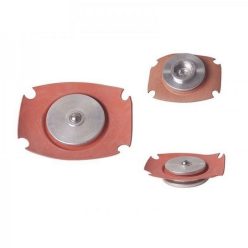
You’ll find the Aeromotive CGQ04 refurbishment diaphragm for A1000-style regulators, plus practical install items such as an AN-08 inlet adapter, an OE pressure line fitting and vehicle-specific fuel pressure regulator adapters from D1Spec, Turbosmart and TurboWorks (e.g. Civic, EVO X, Subaru). Use filters and sorting, open the product card, and match the listed application/part reference before buying. Choose the correct part and place your order.
Net price: 270 €

Net price: 33 €
Net price: 141 €
Net price: 13 €
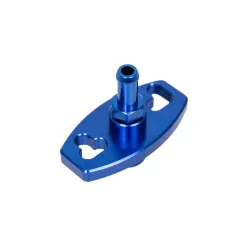
Net price: 13 €
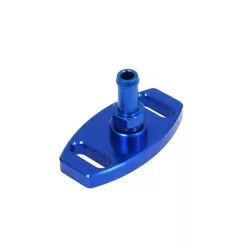
Net price: 13 €
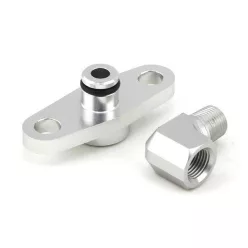
Net price: 43 €
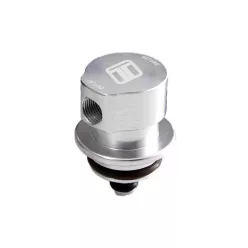
Net price: 43 €
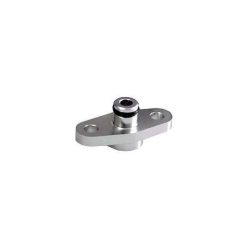
Net price: 39 €
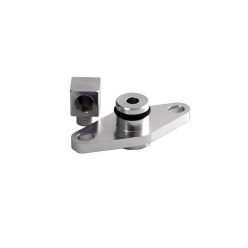
Net price: 43 €
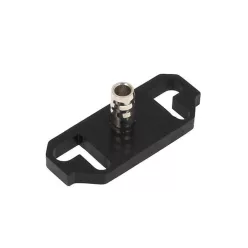
Net price: 6 €
Fuel Pressure Regulator Parts & Accessories – rebuild and fitment details that keep fuel pressure stable
This category sits under Fuel Pressure Regulators & Accessories and focuses on the supporting parts that make an FPR reliable: refurbishment items for the regulator itself, plus adapters and fittings that solve real-world installation constraints.
In practice there are two main use cases: restoring a regulator with a replacement diaphragm (for example the Aeromotive CGQ04 part for A1000-style designs), and adapting an aftermarket regulator to an OEM rail or platform-specific layout using the correct adapter and connection hardware.
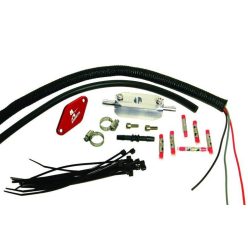
Examples from the current listings include a Fuel Pressure Sensor Relocation Kit for 98.5–04 Ford 4.6L, an AN-08 inlet adapter for an inline EFI pump (P/N 11109), an LT-1 OE pressure line fitting, and multiple vehicle-specific fuel pressure regulator adapters for Honda, Mitsubishi, Nissan and Subaru applications.
Technical Basics
The regulator diaphragm is a key internal element: once it is worn, punctured or cracked, regulation can become inconsistent, so geometry match (diameter, rim profile, seating) is what matters most. With CGQ04, the listing logic points you to an A1000-style internal layout check rather than relying on external appearance.
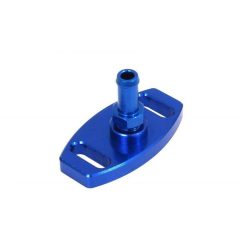
Regulator adapters are fitment parts that align mounting and sealing between an aftermarket FPR and an OEM rail/platform. The product titles often reference the intended application (for example EVO X 4B11T, WRX STI 08+, or Nissan S13/S14 and Subaru EJ20/EJ25), which is your first compatibility filter.
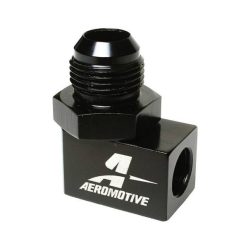
Connection parts solve specific interface problems: an AN-08 inlet adapter is tied to a defined target component (P/N 11109), while an OE pressure line fitting addresses an OEM line interface (e.g. LT-1). Choosing the wrong thread/seat or interface standard is the fastest route to leaks and delays.
Sensor relocation becomes relevant when the factory fuel pressure sensor position conflicts with a modified setup or you need a more practical location for clearance and routing. A relocation kit is typically application-specific, so you should match the exact vehicle/engine range shown on the product card.
Selection Criteria
Start by deciding whether you’re doing a rebuild or a conversion: unstable regulation linked to internal wear points to a diaphragm service route, while an aftermarket install on an OEM rail usually points to a platform-specific adapter.
For a diaphragm, confirm the old diaphragm geometry before ordering: rim profile, seating surface and overall diameter should match the replacement. If you have an A1000 look-alike unit, treat the internal housing design as the deciding factor even when the listing suggests broad compatibility.
For adapters, follow the application cue in the product title and card: for example Honda Civic, Mitsubishi Galant, or combined references such as Nissan/Toyota/Mitsubishi. If your car is a different generation or uses a different rail, only the stated fitment information should drive the purchase.
If your restriction is on the pump/line side, pick the exact interface part: an AN-08 inlet adapter is meaningful only when it matches the target pump reference (P/N 11109), and an OE line fitting should match the OEM pressure line concept you are adapting. This avoids stacking “maybe-fit” adapters that add leak points.
As a leaf category, the quickest workflow is filtering by brand (Aeromotive, D1Spec, Turbosmart, TurboWorks), then confirming application, reference and connection notes on the product card before checkout.
Installation & Maintenance
Only work on the fuel system after depressurising it and always perform a thorough leak check after the first start. Adapters and fittings create additional interfaces, so verification is essential.
When replacing a diaphragm, keep sealing faces clean and tighten fasteners evenly so the diaphragm seats without creasing. After assembly, confirm the regulator behaves consistently across operating conditions, not just at idle.
With adapters and fittings, plan hose routing and clearance so connections are not under strain and can be serviced later. For a sensor relocation kit, cable routing and connector clearance are part of fitment, not an afterthought.
For long-term reliability, re-check joints after heat cycles and vibration. Fuel smell, damp fittings or load-related instability are signs to inspect the adapter and connection interfaces immediately.
FAQ
What is a fuel pressure regulator adapter used for?
A regulator adapter helps an aftermarket FPR mount and seal correctly to an OEM rail or platform-specific layout. Fitment is usually tied to a vehicle/engine reference (e.g. EVO X 4B11T, WRX STI 08+, EJ20/EJ25). Always match the exact application shown on the product card.
How do I know if I need a diaphragm replacement?
If regulation becomes inconsistent and the issue points to internal wear, a replacement diaphragm is a common service route. The key check is geometry: rim profile, seating and diameter must match your original part. For A1000-style units, internal housing layout is more important than external appearance.
What does “AN-08 inlet adapter” mean and why does P/N 11109 matter?
AN-08 identifies the connection standard used by that inlet interface, but compatibility is defined by the target component reference. The listing ties it to an inline EFI pump P/N 11109, so it’s only the right choice when your pump/interface matches that reference. If your pump or seat differs, choose a different adapter rather than forcing fitment.
When do I need a fuel pressure sensor relocation kit?
You need a relocation kit when the factory sensor position conflicts with your modified setup or clearance and routing require a different location. The listed kit is application-specific (98.5–04 Ford 4.6L), so confirm your exact vehicle range first. After installation, verify both sealing and connector/cable routing.
What’s the most common cause of leaks after installing adapters or rebuild parts?
Typical causes are misalignment on a sealing surface, contamination on the seat, or uneven tightening that shifts an adapter or creases a diaphragm. Stop, depressurise, re-check the mating surfaces and reassemble carefully. Then re-test with a focused leak check.
Filter by brand and application, verify the part reference on the product card, then order the correct FPR part or accessory for your build.
