
A Fiat performance intake system (airbox kit) is a model-specific inlet-side assembly designed to route air through the filter and pipework in a cleaner, better-organised path towards the engine. On this page you will find Fiat-specific options mainly for Panda and Punto applications, so the right choice starts with engine code, model year and the original under-bonnet layout.
Start with valve count, pipe routing and the available space around the headlamp, battery and sensor connections. A large part of failure prevention is stress-free fitment, meaning the pipe and filter should not sit against a sharp edge and the clamp should not be left half on a bead.
Verify exact dimensions and specifications on the product card; in-stock items dispatch fast within the EU.
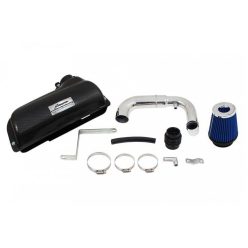
Net price: 201 €
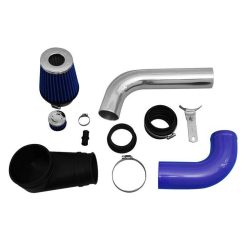
Net price: 100 €
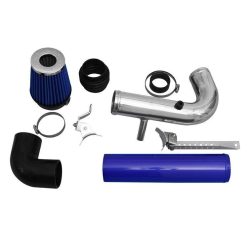
Net price: 100 €
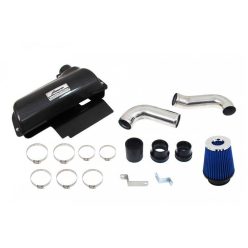
Net price: 203 €
Fiat Performance Intake Systems & Airboxes: Fitment-Led Intake Side Solutions
For Fiat applications, an intake kit and an enclosed intake assembly describe the same core job from two angles: managing the air path, positioning the filter and pipework correctly, and fitting the system so it works with the surrounding components rather than against them. On Panda and Punto platforms, engine code, model year, valve layout and sensor position all matter before you compare individual kits.
Technical background and system integration
Flow path: a complete intake system is more than a filter on its own, because the pipe shape, joint positions, clamp placement and filter location all influence how tidy the inlet side is once fitted. In many Fiat engine bays the packaging is relatively tight, so bonnet clearance, battery position and sensor access should be considered together.
Heat exposure: a cold air intake and a more enclosed airbox-style layout should be judged by the actual engine-bay environment, not by a generic rule. A system that fits without preload and keeps sensible separation from hot or splash-prone zones is usually easier to inspect and maintain over time.
- Current range: this Fiat page currently lists model-specific SIMOTA systems, including Panda 1.3 8V 2003-on and several Punto applications.
- Punto differences: 1.1/1.2 8V 1994-1999, 1.2 16V 1999-on and 1.4T 1995-1999 versions can differ in pipe routing and connection layout.
- System role: a correctly positioned kit may help the intake side stay more stable under movement and make sealing checks easier around the joints.
How to choose the right one
Quick selection guide: narrow the choice by exact Fiat model, engine, valve count and year first, then compare the product card against your original intake path. On Punto applications, the difference between 8-valve and 16-valve layouts can already decide whether the geometry of the kit is appropriate.
There is no deeper subcategory on this Fiat page, so the decision is best closed by checking the product card against the listed Panda or Punto application, your engine code and the original routing of the factory intake. When two options look similar, choose the one that asks for fewer compromises around clearance and connection angle in your own engine bay.
- Engine code: confirm it from the vehicle data and not only from model name, because close production years may still use different inlet-side layouts.
- Clearance: check space around the headlamp housing, battery, wiring loom and the underside of the bonnet.
- Product card: use the listed compatibility notes, connection details and included parts as the final fitment check.
Installation and failure-prevention tips
Sealing check: before final tightening, assemble the system loosely and confirm that the pipe follows a natural line, the clamp sits on a proper surface and the sensor or vacuum connections are not being pulled sideways. This reduces the chance of a joint shifting later and creating unwanted intake noise or an inconsistent seal.
Common issue: the pipe or filter housing is installed with slight preload, then thermal movement lets the joint rotate out of its best position; typical signs include a dust trace near the clamp, a changed intake note or vibration from the engine bay. You can prevent this by tightening only once the final position is confirmed and by checking that the kit is not resting on the lamp housing, battery or a sharp panel edge.
Degrease using a manufacturer-recommended cleaner, then allow to dry completely before applying load/boost. This is especially useful when the joint surface may still carry residue, handling marks or old contamination from previous parts.
After installation, it is worth doing a short road test and one heat cycle, then re-checking clamp position, pipe clearance and whether the filter sits in a realistic place for the way the car is actually used.
PRO TIP: if space is limited in the Fiat engine bay, find the final filter position first and rotate the pipe sections afterwards; that usually makes it easier to avoid solving one connection neatly while introducing stress somewhere else.
FAQ
Which Fiat intake system fits my car?
The correct choice comes from model, engine, valve count and year working together. This page currently covers selected Panda 1.3 8V and several Punto applications, so always compare the listed compatibility on the product card with your own vehicle data.
Is an open filter setup or an enclosed airbox style better?
That depends on the engine-bay layout and the intended use. In tighter or warmer bays, a more directed layout may suit the package better, while in other cases an open-style kit can be easier to position and service.
What is the most common failure or installation mistake?
Run a short checklist: make sure the clamp sits fully on the joint, the pipe is not pulling the connection sideways, the sensor wiring is not under tension, the bonnet leaves no contact mark and the fit remains unchanged after a test drive. This kind of inspection quickly shows whether the kit only appears to fit correctly.
Should I re-check the system after fitting?
Yes, a brief heat cycle and road test are useful before you call the job finished. That is often when small changes in clamp position, pipe angle or bonnet clearance become visible.
What should I watch for in wet or damp conditions?
Review the filter position and any likely splash path, especially on lower-mounted inlet routes. The aim is not to make a broad promise for every condition, but to ensure the filter location and routing suit the real environment of the car.
