
An exhaust stud and nut is a threaded fastener used to clamp turbo, manifold and exhaust flanges together while helping distribute load from heat cycles and vibration more evenly across the joint. The right choice depends on thread specification and application point together.
Here you can compare several thread sizes and pitches, including M6x1, M8x1, M8x1.25, M10x1, M10x1.25, M10x1.5, M12x1.5 and M12x1.75, plus dedicated turbo stud kits. Verify exact dimensions and specifications on the product card; in-stock items dispatch fast within the EU. Use filters and open the product card to confirm wrench size, kit layout and targeted turbo platform.
To avoid problems, always start with a hand-started thread and confirm that the stud, nut and flange thread pitch really match before tightening the joint.
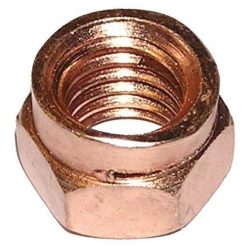
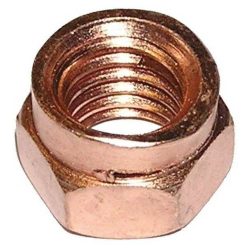
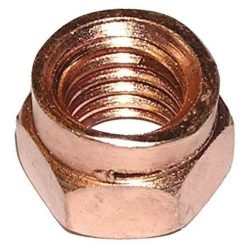
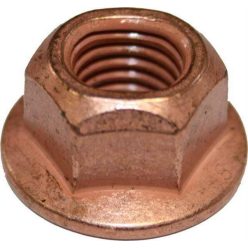
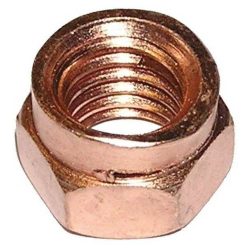
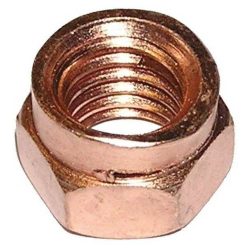
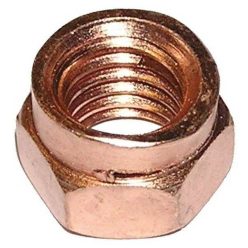
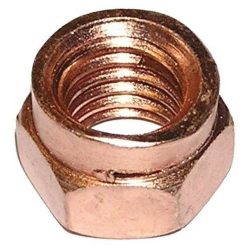
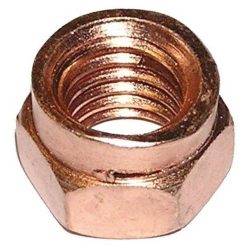
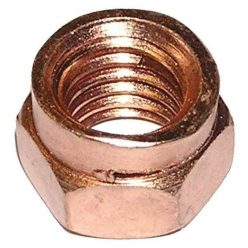
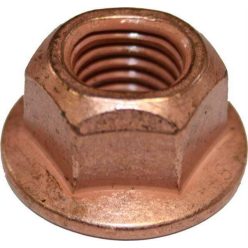
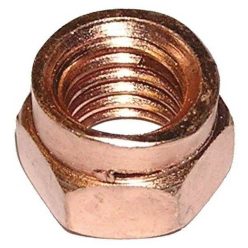
Exhaust Studs and Nuts - thread match, heat cycling and flange fitment
Threaded exhaust hardware: This category covers nuts, studs and turbo stud kits used to secure manifold, turbo and exhaust flanges. The correct part is not chosen by diameter alone; thread pitch, wrench access, stud length and whether you need a single replacement nut or a dedicated platform-specific kit all matter.
Technical background and system integration
Flange load path: On the exhaust side, hardware does more than hold parts together. It also influences how evenly the flanges sit, how the gasket is loaded and how thermal movement is shared across the joint instead of concentrating at one thread or one corner.
Range structure: The category includes both individual nuts and complete stud kits. Based on the product cards, the range covers multiple thread pitches from M6 to M12, while some turbo kits appear with roughly 40 mm studs and 5-piece or 9-piece layouts for TD04L, TD05H, TD06, GT25, GT28 or T28 applications.
- Thread: M10x1.25 and M10x1.5, for example, are not interchangeable even though the nominal diameter is the same.
- Wrench access: Nut hex size matters where space around the turbo, manifold or heat shielding is limited.
- Stud length: Usable thread length affects how much engagement remains once the flange stack and nut are in place.
How to choose the right one
Quick selection guide: Because this is a product-list page, identify the exact thread size and pitch first, then decide whether you need a single replacement nut or a complete stud kit. After that, check wrench size, piece count and whether the listing is meant for a general exhaust joint or a named turbo family.
Product-card check: On this page, the safest route is to filter by size and then verify compatibility notes, kit contents and item-level specifications on the product card. This matters even more when you are buying for GT25/GT28/T28 or TD04L, TD05H, TD06 turbo setups.
- Single nut: Best when the stud is already known to be correct and only the upper fastening element needs replacement.
- Full kit: Makes sense when the original studs are heat-cycled, corroded or of uncertain condition and you want to refresh the whole joint together.
- Platform fitment: On turbo kits, the named turbo family and the real flange layout should be confirmed together.
Installation and failure-prevention tips
Clean thread start: Before assembly, inspect the flange threads, the stud run and whether the nut starts smoothly by hand. On turbo and exhaust joints, a crooked start, debris in the hole or damaged first threads can shift the entire clamp-up from the very beginning.
Common failure mode: If a nut and stud with different thread pitches are forced together, or the nut is started at an angle, the thread can bind quickly, side-load the flange and later show signs such as leakage marks, loosening or difficult disassembly. Prevention comes from accurate thread identification, hand-starting the nut and checking that the flanges sit flat before final tightening.
Access planning: Around tight turbo housings, manifold runners or heat shields, wrench size and outer nut shape can matter almost as much as the thread itself, so it is worth reviewing working space before ordering.
PRO TIP: Before removing the old hardware, photograph the joint, measure the old nut hex and note the thread marking; it is one of the fastest ways to avoid ordering the right diameter with the wrong pitch.
Frequently asked questions
How do I know whether I need M10x1.25 or M10x1.5?
The same nominal diameter does not mean the pitch is the same. The safest route is to read the marking from the old part, verify it with a thread gauge or match the product-card data to the exact turbo and flange application.
When is a complete turbo stud kit better than buying nuts separately?
A full kit is usually the better route when the original studs have seen repeated heat cycles, corrosion or uncertain previous work and you want to renew the whole fastening set together. Separate nuts are more suitable when the installed studs are known to be correct and in good condition.
What is the most common installation mistake?
Check that the nut starts by hand, that the thread does not resist in the first turns, that the stud is not leaning sideways and that the flange faces sit parallel. Then confirm there is enough thread engagement left at the joint and that the chosen tool can actually reach the nut cleanly.
Does wrench size matter if the thread already matches?
Yes, because access around turbo and exhaust hardware is often tight. The same thread can appear with different hex sizes, and that difference may decide whether the joint can be assembled and serviced cleanly in the available space.
Can these fasteners be used on both manifolds and turbo joints?
Many of them can be relevant to both, but the final choice should still follow thread, length, flange stack and the actual component family involved. The product name and application notes on the card are important confirmation points.
