
Engine assembly tools (engine build tools) are workshop items that help you assemble internal engine components with more control and less risk of marking surfaces.
This can include ring compressors, seal drivers, bearing/bush drivers and valve spring compressors; the aim is accurate fit and clean handling. A simple prevention step is a quick dry test-fit before any force is applied.
Verify exact dimensions and specifications on the product card; in-stock items dispatch fast within the EU. Pick the right option for repeatable assembly without guesswork.
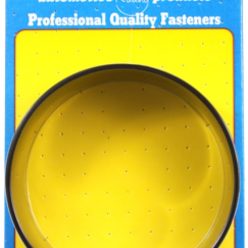








Engine assembly tools – controlled fitment for cleaner builds
This category groups tools used during engine building, often searched as “engine assembly”, supporting controlled fitment when installing rings, seals, bearings or valvetrain parts.
Technical background: why dedicated tools help
During assembly, guidance and load distribution can influence whether a bore edge, seal seat or housing stays unmarked; the right tool can help with tolerance protection in sensitive areas.
Many dedicated tools spread the force over a wider contact face, which can reduce local pressure points and support surface care when you are working near finished edges.
When you repeat the same operation across multiple cylinders or components, adjustable or modular designs can help maintain a repeatable process from one step to the next.
- Ring compressor: guides piston installation into the bore, especially where access is tight.
- Seal driver: helps seat seals squarely, reducing the chance of starting them at an angle.
- Valve spring compressor: provides controlled spring compression for keepers and retainer work.
How to choose the right one
Quick selection guide: identify the job first (rings, seals, bearings/bushes, valves), then match size and contact geometry using the product card details.
- Sizing: check bore size (inch is common) and contact diameters (mm is often listed too), and measure your install point.
- Guidance: prefer tools that self-centre or keep the part square during pressing/installation.
- Contact face: look for smooth, burr-free edges where the tool touches a finished surface.
- Access: low-clearance bays may benefit from shorter bodies or modular handles.
For a broader kit, related items are typically grouped under the Workshop tools main category.
Use, sequencing and failure prevention
Keep threads and seats clean, and only apply lubricants if the manufacturer procedure calls for it; this supports consistent seating before you follow any specified tightening sequence or angle method.
A common issue is starting a seal or bush slightly off-square, or catching a ring compressor lip during piston entry; that can mark a surface or leave a seal not fully seated. If resistance spikes, stop, back out, inspect alignment and contact faces, then continue carefully.
- Dry run: confirm seating and centring without force before the real install.
- Support: use stable backing so the load does not travel through a sensitive edge.
PRO TIP: If you repeat an operation, mark your preferred tool setting (for example, a stop position) to speed up the next assembly step with the same setup.
FAQ
What do engine assembly tools add versus general hand tools?
They often guide the part more reliably (centring, square contact) and can reduce the chance of nicking a seat or edge. They can also make repetitive steps easier to perform consistently. Always choose by the product card sizing and intended use.
How do I know a ring compressor matches my piston and bore?
Check the supported bore sizing and design on the product card, then measure your bore. Confirm the tool sits flat, clamps evenly and does not leave a gap where rings could escape. If possible, do a slow hand-guided test entry.
What should I check if the piston is hard to push into the bore?
Stop and verify ring orientation and gap placement per the manufacturer procedure. Confirm the compressor clamps evenly around the full circumference and that no burrs are catching. Inspect the bore lead-in edge and re-attempt with controlled, straight guidance.
Seal driver vs “pipe and hammer”: which is better?
A seal driver typically keeps the seal square and supports even contact, while improvised tools can start the seal at an angle more easily. If the seat or seal lip is sensitive, correct contact diameter can matter. Decide using the product’s sizing notes.
Do I need special locking/timing tools for every engine?
It depends on the engine design and the task. Some procedures benefit from dedicated locking or positioning tools, while others can follow factory marks and steps. Use the product description and the engine’s service information as your guide.
