
In the EA888 EVO4 Tuning Kits category you’ll find hardware upgrades for VAG 2.0 TSI (2021+) applications, focused on improved airflow and more consistent charge-air temperatures. Typical items include intake parts, intercoolers, turbo inlet/boost plumbing and valve upgrades for common road and track builds.
Use the filters and sorting, then open a product card to confirm exact fitment (for example right-hand drive (RHD only) notes). Choose the correct setup and place your order.
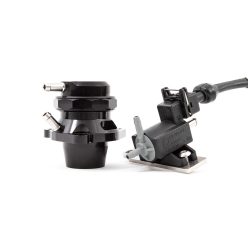
Net price: 263 €
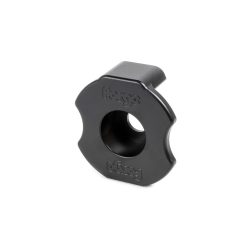
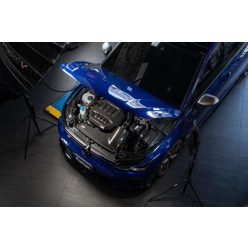
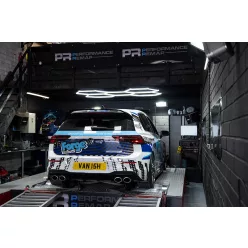
Net price: 488 €
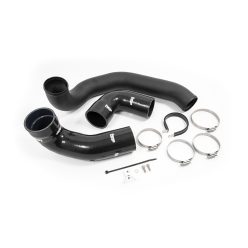
Net price: 295 €
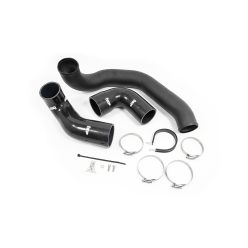
Net price: 295 €
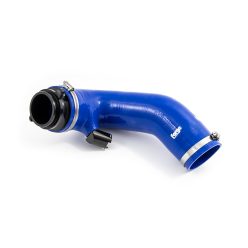
Net price: 173 €
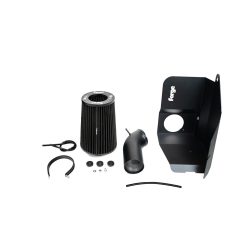
Net price: 314 €
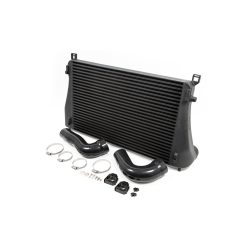
Net price: 900 €
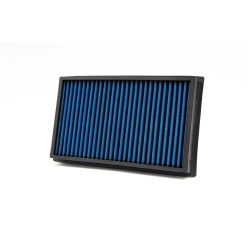
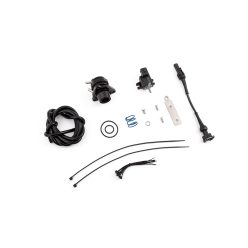
Net price: 263 €
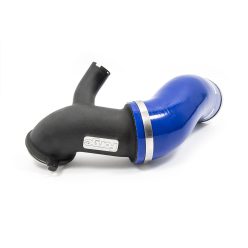
Net price: 274 €
EA888 EVO4 Tuning Kits – hardware upgrades for airflow and charge-air cooling
This category is for shoppers upgrading a VAG EA888 EVO4 based 2.0 TSI setup with practical, bolt-on parts that help reduce restrictions and keep performance consistent. The focus is on charge-air flow, thermal stability and reliable boost control rather than vague “one size fits all” claims.
Think of these as a performance package made from matching components: intake/filtration, turbo inlet, boost pipes, intercooler and supporting items. Done correctly, the car can feel sharper and more repeatable on back roads and during sustained runs, while you still verify every part against the manufacturer’s fitment notes.
Technical Basics
The EA888 EVO4 family appears across several 2021+ VAG models, so fitment must be checked per vehicle and variant (examples often include Golf Mk8, Audi S3, Cupra Formentor/Leon and Tiguan R configurations). Small platform differences can change hose routing, brackets and connector positions.
From a systems perspective, start with the charge-air path: filter or panel filter, intake (induction kit), turbo inlet, compressor outlet, boost plumbing and the intercooler. Connection sizes matter; some discharge/boost solutions reference a 63 mm inlet match, which must align with your OEM or upgraded intercooler interface to avoid bottlenecks or leaks.
Valve upgrades can be confusing: a blow-off valve vents pressure, while a recirculation/diverter valve routes it back into the intake tract. Which one is appropriate depends on the specific setup and how the OE control strategy is implemented, so always follow the product’s stated compatibility and installation notes rather than guessing.
Materials are typically aluminium hard pipes and silicone hoses designed for heat and pressure, plus optional cosmetic/cover items (for example carbon-fibre bay parts). The real reliability wins usually come from correct sealing surfaces, quality clamps and good installation discipline, because even a small boost leak can undo the benefit of a freer-flowing intake.
Common pitfalls include right-hand drive only (RHD only) parts and variant-specific options (such as Tiguan R yes/no choices on certain adapters). If a product listing calls out a specific variant, treat it as a hard requirement.
Selection Criteria
Choose parts based on your goal: daily-road improvements often prioritise response and consistency, while track use prioritises heat management and repeatability. An intake (induction kit) is a typical early upgrade and is often used alongside Stage 1–Stage 2 style builds, provided you confirm the hardware and calibration requirements for your exact car.
Intercoolers are most valuable when you regularly see higher intake temperatures from repeated pulls or warm ambient conditions. Make sure the intercooler option you choose matches the plumbing and connection style you intend to run, including diameter references like 63 mm where applicable.
Pay attention to configuration details that affect ownership: filter type (foam vs pleated), colour options (hose/valve finishes) and whether a part is listed as RHD only. These are not cosmetic “nice to haves” if they change fitment or servicing needs.
If you prefer a bundle (performance kit / bundle), it can simplify matching components, but you still need to validate each item against your vehicle’s variant and model-year notes. When in doubt, use the manufacturer part number and the product page fitment section as the final check.
Installation & Maintenance
Installation quality matters more than most people expect: aim for a leak-free system, clean mating surfaces and clamp tightening to the manufacturer’s stated torque (Nm). After a few heat cycles, re-check clamps and fasteners, because hoses and couplers can settle.
For valve and adapter installs, double-check orientation, connectors and sealing rings. Symptoms of a poor seal are usually inconsistent boost behaviour, unusual noises and sometimes fault codes, so it’s worth doing a careful visual inspection before you go looking for bigger problems.
Maintenance is straightforward: service the filter as required by its type, keep intercooler fins clear, and periodically inspect hoses for rubbing or cracking. If you see oil misting, treat it as a prompt to inspect joints and clamps and confirm everything is still tight and aligned.
FAQ
Which EA888 EVO4 cars are these tuning kits for?
They are intended for VAG EA888 EVO4 2.0 TSI applications, but fitment is vehicle- and variant-specific. Always check the product page notes for model-year, variant and option requirements (such as Tiguan R differences). When there’s any conflict, follow the manufacturer part number fitment statement.
What does “RHD only” mean on an intake hose?
Right-hand drive (RHD only) parts are designed around the packaging of RHD vehicles. On left-hand drive cars the routing and clearance can differ, so it may not fit without issues. Confirm your steering orientation and only buy RHD-only items if your car matches.
Do I need an intercooler for Stage 1?
Not always, but an intercooler helps maintain consistent performance under repeated load and in warm conditions. If you drive hard often, it’s a sensible reliability-oriented upgrade. Make sure the chosen intercooler matches your pipework and connection style.
Why is a 63 mm connection size important?
A 63 mm reference usually relates to an inlet/outlet diameter that must match the neighbouring component to seal correctly. A mismatch can create restrictions or boost leaks, both of which reduce performance and consistency. Verify the diameter requirement against your OEM or upgraded intercooler interface before purchasing.
Blow-off valve vs recirculation valve: which should I pick?
They manage pressure differently, and the right option depends on the specific setup and how the OE system is configured. The safest approach is to follow the product’s stated compatibility and installation guidance for your exact model. If you’re unsure, prioritise the fitment notes over general internet advice.
Filter by fitment and choose the correct parts to add to your basket.
