
Drivetrain ancillary parts (conversion components) cover the hard-to-classify items that change torque transfer, interface geometry or shift feel: diff covers, axle adapters, driveshaft flex discs, shifters and fluid reservoirs. In this mixed range, exact fitment matters more than a generic size label.
Choose by vehicle platform first, then confirm flange pattern, thread, mounting side, gearbox family or hose and port size on the product card. Verify exact dimensions and specifications on the product card; in-stock items dispatch fast within the EU.
Avoid rework by checking OE references, interface dimensions and whether the part is meant for replacement, conversion work or motorsport use. Use filters, then open the product page for the detailed specification.


Net price: 290 €

Net price: 603 €
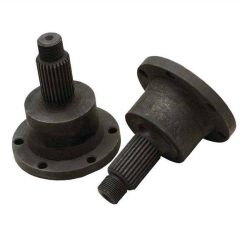
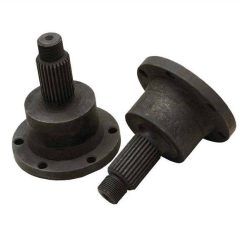
Net price: 248 €


Net price: 34 €

Net price: 34 €

Net price: 155 €

Net price: 114 €

Net price: 155 €
Drivetrain ancillary and conversion parts for motorsport builds
Mixed range: this group collects drivetrain conversion and support parts (drivetrain ancillary parts) that alter interface geometry, torque transfer, fluid management or shift feel. The current assortment reaches across BMW, Subaru BRZ, Toyota 86, Honda, Nissan, Mercedes and several VAG or hot-hatch platforms.
Technical background and system integration
Torque path and support systems: the range currently mixes driveshaft flex discs, diff covers and weld plates, half-shaft adapters and spacers, steering adapters, short shifters, power steering and coolant tanks, plus motorsport clutch parts.
- Driveshaft joint: a flex disc works between the output flange and propshaft, so outer diameter, inner bore, pitch circle and bolt-hole size must be checked together.
- Diff area: covers and related parts affect oil volume, heat behaviour and housing fit, so the exact differential type matters.
- Conversion fit: axle and steering adapters bridge geometry or compatibility changes, which makes thread, length and side-specific fitment critical.
- Shift side: a short shifter changes lever travel and feel, while clutch pieces must match the intended use and flywheel layout.
How to choose the right one
Quick selection guide: this is a product-list page, so filter by brand and vehicle platform first, then by size or connection detail. When several similar BMW, Mercedes or VAG items appear, use the product card to confirm bolt pattern, thread, mounting side and the stated compatibility list.
In a mixed motorsport category like this, the product image alone is not enough; base the decision on the interface data shown on the product card.
- Adapter/spacer: confirm differential type, shaft end, thickness and whether the kit is sold per pair or per piece.
- Flex disc: check outer diameter, inner bore, pitch circle and bolt-hole size.
- Tank/shifter: verify port or thread size, gearbox family and the bracket or cable interface.
Installation and failure-prevention tips
Preparation: for adapters and spacers, the mating surface should be flat and free from burrs. For tanks, diff covers or fluid-carrying connections Degrease using a manufacturer-recommended cleaner, then allow to dry completely before applying load/boost.
Common failure point: in a mixed category like this, problems often start with the wrong interface combination rather than the material itself. A small mismatch in bolt pattern, thread or installed height can leave a bolt running off-angle, preload the flex joint or stop a cover from seating centrally, which may lead to vibration, poor shift feel or seepage; compare OE reference and every connection dimension before final assembly.
- Trial fit: before final tightening, make sure holes and threads line up without being forced into place.
- Recheck: after the first heat cycle and first use, inspect for fresh seepage, unusual vibration and any change in shift feel.
PRO TIP: when several parts look similar for one platform, OE reference plus interface geometry gets you to the correct choice faster than model name alone.
FAQ
What should I watch when several similar BMW adapters or spacers appear?
On BMW applications, differential type, shaft end and thickness usually decide the fit. If you see E30, E34, E36 or 168/188 references, check that the part is built for the same housing and the same side before ordering.
What is the most common failure or installation mistake?
Work through this order: vehicle platform, differential or gearbox code, bolt pattern, bolt or thread size, mounting side, then OE reference. If one of those data points is missing, stop and verify the product card because many parts in this category look alike but connect differently.
What is the difference between an axle adapter and a spacer?
An adapter usually joins two different interfaces or platforms, while a spacer changes the geometry or stand-off of an existing connection. That is why the part name alone is not enough; thickness, bolt pattern and fastening logic still need to match.
What quick checklist should I follow after the first test drive?
Look for witness marks around fasteners, any fresh fluid film, new vibration under load and any change in shift feel or steering end-stop behaviour. If something has changed, recheck seating, centring and all connection dimensions.
When is a separate tank, alloy diff cover or short shifter useful?
A separate tank can help when packaging, hose routing or heat exposure requires a different layout. An alloy diff cover or altered shifter can make sense when the build is aimed at conversion work, track use or a more direct control feel.
