
Dodge performance intake systems (airbox kits) are model-specific intake-side assemblies that replace part or all of the factory route to reorganise the air path, filter position and pipe layout.
The current range focuses mainly on Charger, Challenger and Durango applications, while some kits also share fitment with Chrysler 300 or Jeep Grand Cherokee platforms. On Dodge builds, fitment, engine code and connection layout matter more than name-only matching, so always check the product card for sensor locations and the listed applications.
Verify exact dimensions and specifications on the product card; in-stock items dispatch fast within the EU.
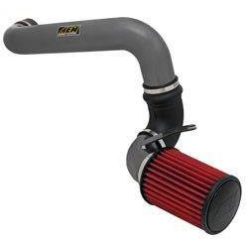
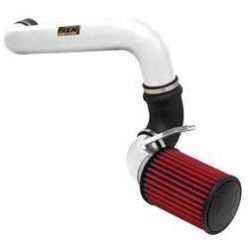
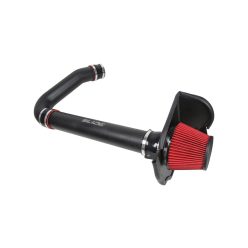
Net price: 225 €
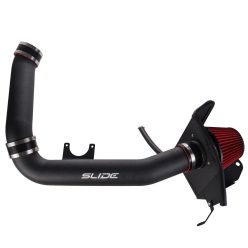
Net price: 246 €
Dodge Performance Intake Systems & Airboxes: Model-Specific Intake-Side Solutions
In this Dodge range you will find model-specific intake-side solutions where a well-matched intake system (air intake system) depends on pipe routing, filter position and the exact connection layout. The current selection is built mainly around AEM and SLIDE systems and mostly covers Charger, Challenger and Durango applications, alongside some shared-fit Chrysler 300 and Jeep Grand Cherokee combinations and an older Dodge Stratus 3.0 application.
Technical background and system integration
System role: A complete intake system is more than a pipe and a filter. Tube material, bend geometry, bracket position and whether the kit uses an airbox or a more open filter layout all influence sealing integrity, thermal movement control and the protection of nearby components.
Engine-bay space: There can be a major packaging difference between a HEMI V8 Charger or Challenger, a 3.6 V6 Charger/Challenger/300 platform car and a Durango engine bay. That is why MAF or IAT position, breather routing and clearance to surrounding trim all deserve attention before final installation.
- Pipe route: Bend direction and length affect how naturally the system sits without preload and how much clearance remains around nearby parts.
- Filter position: Open-filter and enclosed airbox layouts both depend on where the kit draws air from and how separated that intake path remains.
- Connections: Sensor housings, auxiliary ports and joining sections often decide whether a system installs cleanly and stays easy to service.
How to choose the right one
Quick selection guide: Start with the exact Dodge model, year and engine, then check whether the product card lists only Dodge applications or also shared Chrysler/Jeep platform fitment. In this category, listed compatibility and routing detail matter more than broad category naming.
Engine code: The 3.6 V6 and the 5.7/6.1 V8 applications can differ in routing, sensor position and available space, so even within Charger or Challenger ranges it is not enough to choose by model name alone. Use the product card to confirm whether clamps, brackets and all joining parts are included.
Comparison path: If you want a broader view first, it helps to narrow the main complete intake range by Dodge applications before comparing the individual product cards.
Installation and failure-prevention tips
Preparation: Dry-fit the sections before final tightening and check clamp seating, sensor orientation and engine-bay clearance. Degrease using a manufacturer-recommended cleaner, then allow to dry completely before applying load/boost. Final tightening is best done only once the full route sits in place without side-loading the joints.
Common issue: The most typical problem is a coupler that is not fully seated behind the bead or a pipe section that rotates slightly during final tightening; this can lead to unmetered air, unstable idle or an unusual intake note. You can prevent it by aligning the full route before the clamps are finally tightened and by making sure the system is not left in side-stress at any point.
Post-check: After the first drive, inspect clamps, brackets and loom clearance, especially where the pipe runs close to a fan shroud, lamp housing or inner wing area. A second inspection after cooldown often prevents later rework.
PRO TIP: On Dodge applications, the exact engine and the fitment list on the product card usually matter more than the first model name you see in the product title.
How do I know this system fits my Dodge?
Match the exact model year, engine and the application list shown on the product card. This is especially important on Charger, Challenger and Durango models, where different engine families may sit under the same nameplate.
What is the difference between an open-filter system and an airbox layout?
An open-filter setup is usually easier to access during inspection, while an airbox-style layout can offer tidier engine-bay packaging and a more directed air path. The better choice depends on space, usage and the exact kit design.
Why do I get a fault code or unstable idle after installation?
Check sensor direction, clamp position, any twist in the couplers and all breather or vacuum connections. Then inspect whether the pipe contacts surrounding trim or nearby parts, and re-check the system after a short road test.
What should I consider when choosing between 3.6 V6 and HEMI V8 applications?
Routing, sensor location and engine-bay space can differ, so accurate engine-family matching is essential. The same vehicle name does not automatically mean the same intake kit fits every engine version.
What should I inspect after the first test drive?
Check whether any pipe or coupler has shifted, whether clamp position changed and whether the system still clears hot or moving parts. It is also worth listening to idle quality again and looking for witness marks near the pipe ends or joining sections.
