
De-ironizers safely dissolve embedded brake dust, rail dust and industrial fallout on paint and wheels. As iron reacts, the product bleeds purple, showing you where it works. Used regularly, these iron removers reduce scrubbing, lower the risk of wash marring and speed up your wash routine.
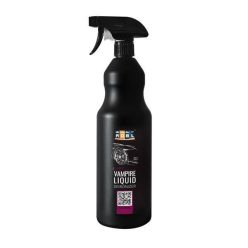
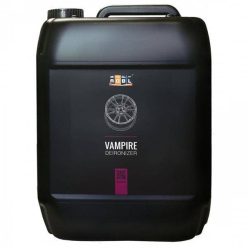
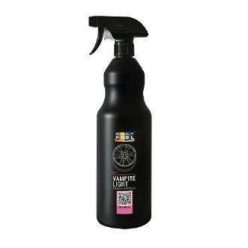
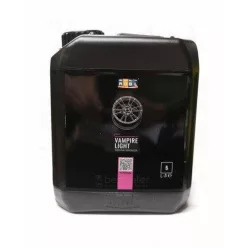
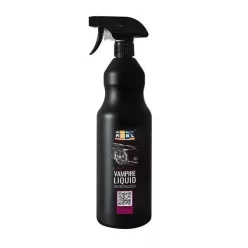
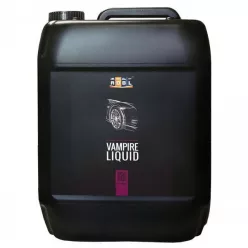
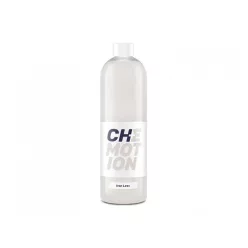
Brief summary + key benefits
De-ironizers chemically dissolve ferrous contamination—brake dust, rail dust and industrial fallout—on paint, wheels and exterior glass. As the chelating reaction occurs the product bleeds purple, giving instant visual feedback. Combined with pre-wash and shampoo steps, iron removers cut down on scrubbing, reduce wash-marring risk and leave a cleaner, smoother surface for protection.
Technical Basics
Modern formulas use reducing chelators/complexing agents that bind oxidised iron particles and turn them water-soluble. The pH is typically neutral to mildly acidic to stay surface-safe on clear coat, coated wheels and plastics while remaining fast-acting. Thicker gels improve dwell time on vertical areas, whereas thinner liquids spread more easily across large panels.
Compatibility: safe for most OEM clear coats and lacquered wheels. Use care on raw aluminium, polished, uncoated metals and matte films; always test first. Coated/waxed paint is fine with sensible use, but prolonged contact and frequent heavy use may shorten topper life—rinse thoroughly.
Selection Criteria
Task: choose a free-flowing liquid for paint, a gel for heavily soiled wheels. pH & odour: neutral products are generally gentler and less pungent. Climate: heat speeds evaporation—work in shade and keep panels wet. Economy: accurate sprayers and foam triggers reduce waste and improve coverage.
Pairing: combine with tar remover in the correct order (tar first, then iron) since each targets different soils. For full decon prior to polishing/coating, follow chemical steps with a clay pass to remove non-ferrous residue.
Installation & Maintenance
Prep: cool surface and a good pre-rinse. Apply: mist evenly, allow 2–5 minutes of dwell without drying. Agitate gently with a brush on stubborn areas if needed. Rinse: pressure-rinse top-down and check for remaining reaction. Wheels require attention to spokes and barrels. Safety: avoid hot brakes, do not let the product dry, and test delicate finishes first.
Aftercare: wash with a pH-neutral shampoo and apply your chosen protection (spray sealant/wax/coating). Used periodically, iron removers reduce the need for aggressive scrubbing and help preserve the finish.
FAQ
Iron remover vs tar remover? Iron removers target ferrous particles; tar removers dissolve hydrocarbon residues like tar and glue.
Safe on ceramic coatings? Yes with short dwell and thorough rinsing; frequent long exposure may shorten topper life.
No purple bleeding—why? Either there’s little iron present or you rinsed too early. Allow more dwell, without drying.
OK on brake calipers? Safe on painted/powder-coated parts; avoid hot components and prolonged contact on seals.
How often? Every 2–4 weeks in heavy brake-dust environments; always before full decon and machine polishing.
